
Many travelers fly into Morocco without realizing how seamless it is to extend their trip to neighboring countries and overseas territories. Thanks to short ferry routes, direct flights, and unique overland routes, you can easily expand your Moroccan itinerary to include Spain, the Spanish exclaves of Ceuta and Melilla, the British territory of Gibraltar, the Canary Islands, or even Mauritania.
Whether you want to hop across the Strait of Gibraltar to Europe or embark on an adventurous overland journey south, here is everything you need to know about traveling to and from Morocco’s neighboring destinations.

1. Traveling Between Morocco and Spain
Separated by less than nine miles (14 km) of water across the Strait of Gibraltar, Morocco and Spain offer one of the easiest and most affordable multi-country travel connections in the world. Most Western travelers (including US, UK, Canadian, and EU citizens) only need a passport valid for six months—no advance visa required—to cross either border for stays up to 90 days.
Morocco to Spain Ferries
Daily passenger and car ferries cross the Strait of Gibraltar, connecting major ports in North Africa and Southern Europe:
- Tangier Ville to Tarifa, Spain: The fastest and most popular route (approx. 60 minutes). Operates directly between Tangier’s city center and Tarifa.
- Tangier Med to Algeciras, Spain: A high-frequency commercial and passenger route (approx. 90 minutes), located about 45 minutes east of central Tangier.
- Secondary Ferry Routes: Ferries also run regularly from Spanish ports in Málaga and Almería to Spanish territories on the African coast (Ceuta and Melilla), taking between 2 to 4 hours.
Major operators servicing these routes include FRS (DFDS), Baleària, and Armas.
Planning Tip: For a deep dive into ticket booking, port logistics, and seasonal schedules, read our full guide to Morocco by Ferry: The Ultimate Guide.
Flights Between Morocco and Spain
If you prefer flying, direct budget flights connect major Spanish destinations (Madrid, Barcelona, Seville, Málaga) with Moroccan hubs like Casablanca, Marrakech, Fez, and Tangier.
Visiting Ceuta and Melilla
Ceuta and Melilla are unique autonomous Spanish cities located directly on the North African mainland, bordering Morocco. Because they are officially part of the European Union, you will pass through full passport control when crossing the land border from Morocco.
2. Traveling to the Canary Islands from Morocco
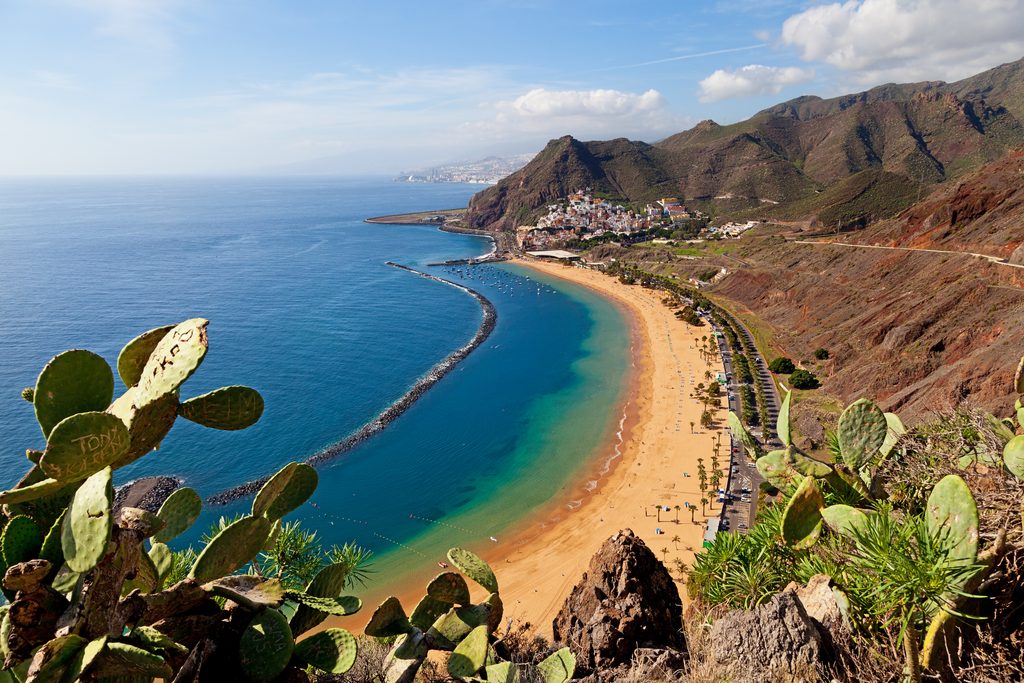
Located off the Atlantic coast of West Africa, the Spanish Canary Islands (including Tenerife, Gran Canaria, and Lanzarote) sit closer to Morocco than to mainland Spain. Known for their volcanic landscapes, pristine beaches, and vibrant resort culture, they make a perfect tropical extension to a Moroccan holiday.
- Flights: Direct, short-haul flights connect Casablanca, Marrakech, and Agadir with the Canary Islands.
- Entry Requirements: Since the Canary Islands are a Spanish territory, passport and visa requirements are identical to entering mainland Spain.
3. Visiting Gibraltar (UK) from Morocco
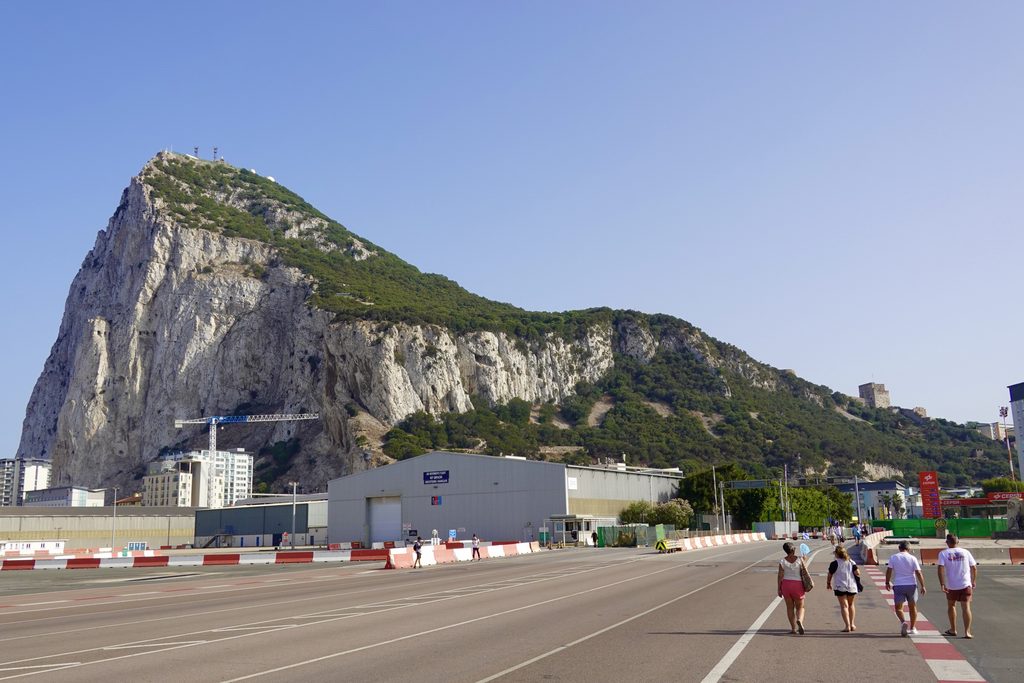
The British Overseas Territory of Gibraltar sits strategically at the entrance to the Mediterranean Sea. Famous for the soaring Rock of Gibraltar, stunning limestone sea caves, wild Barbary macaques, and dolphin-watching tours, Gibraltar offers a distinctly British cultural experience tucked into the Iberian Peninsula.
- Travel Options: Direct ferries from Tangier Med to Gibraltar operate on a limited schedule (typically 1–2 sailings per week) taking roughly 90 minutes. Because direct ferry schedules can fluctuate seasonally, many travelers prefer taking the high-frequency 60-minute ferry from Tangier to Tarifa or Algeciras in Spain, then driving or taking a bus to the land border at La Línea de la Concepción to walk across into Gibraltar.
- Entry Requirements: Crossing into Gibraltar requires passing UK border control. Passports are mandatory; citizens of the US, UK, Canada, Australia, and EU nations do not require an advance entry visa.
4. Exploring the Western Sahara

Travel Caution: Western Sahara is a disputed territory controlled largely by Morocco. While conditions in major coastal cities like Laayoune and Dakhla have remained stable, remote border regions require heightened awareness and preparation. Check your home country’s diplomatic travel advisories prior to visiting.
Morocco administers the majority of the Western Sahara region. Travelers interested in desert landscapes, world-class kitesurfing in Dakhla, and remote Saharan heritage can travel into the territory by air or via private vehicle.
- Entry & Documentation: Citizens of North America, Europe, and many other nations can enter using standard passport rules applied throughout Morocco.
- On the Ground: Expect frequent routine police checkpoints along the main coastal highway (N1). Keep your passport accessible and follow all local authority and military instructions politely.
- Travel Tip: Joining an organized tour or hiring a local driver is recommended for navigating remote desert roads safely.
5. Overland Border Crossing into Mauritania
High Safety Risk: Mauritania is a vast, challenging desert region that presents elevated risks related to political instability, civil unrest, and remote travel. This destination is strictly recommended for experienced, well-prepared travelers.
For adventurous overland travelers, crossing from Western Sahara into Mauritania opens access to ancient caravan towns, the Sahara’s vast empty quarters, and unique cultural landscapes.
Crucial Mauritania Travel Details:
- Visa Requirements: Citizens from North America and Europe must secure an e-Visa prior to travel using the official Mauritanian e-Visa portal. While processing typically takes between 24 and 72 hours, applying 2 to 4 weeks in advance is recommended. The entry fee (approx. €55 / $60 USD) is paid in cash upon physical arrival at the Guerguerat land border or Nouakchott airport.
- Health Requirements: Proof of Yellow Fever vaccination is required by health authorities upon entry.
- The Guerguerat Border Crossing: Land border conditions between Western Sahara and Mauritania can change rapidly and close unexpectedly. Independent travelers should negotiate transport with reputable local guides familiar with current border status.
- Recommended Regions: Focus travel on established northern hubs such as Nouadhibou, Atar, Chinguetti, and the capital city of Nouakchott. Avoid border zones contiguous to Algeria and Mali.
Important Note: The Morocco-Algeria Border is Closed
If you inspect a regional map, you will notice Morocco shares an extensive eastern land border with Algeria.
Please note: The land border between Morocco and Algeria has been strictly closed since 1994, and direct flights between the two countries remain suspended due to severed diplomatic relations. You cannot cross overland or fly directly between Morocco and Algeria. Travelers wishing to visit both nations must fly via a third country (such as France or Tunisia).
Why Exploring Morocco’s Borders Belongs on Your Regional Itinerary
If you’re building a travel plan for North Africa, extending your journey beyond Morocco’s borders earns its place on every version of that itinerary.
As you stand on the windswept ramparts of Tangier looking out across the Strait, or feel the cool Atlantic breeze along the Saharan coast, you realize that Morocco’s story has never existed in isolation. It is connected by salt water, ancient caravan routes, and centuries of shared history to the shores of Spain, the islands of the Atlantic, and the vast expanse of the Sahara.
For you, dear future traveler, embarking on a multi-country route is an invitation to feel, to understand, and to observe how cultures meet, blend, and endure across borders. It is a journey that will stay with you forever, offering a perspective on this corner of the world that few ever get to see.
Planning a Broader Regional Journey?
Crossing borders is a powerful way to travel, but seamless trips take thoughtful preparation.
Morocco Itinerary Ideas — Travel stories, route planning, and expert tips from people who know the region inside out. Traveling to and from Spain
Morocco Ferry Guide — Everything you need to know about routes, tickets, and crossing the Strait of Gibraltar smoothly
Tangier Travel Guide — The gateway city between Africa and Europe: what to see, where to eat, and how to spend your time before crossing the Strait
Originally written by Brinda Gupta. Updated by Ahlam Morjani.