
The Golden Route
Highlights & Hidden Delights
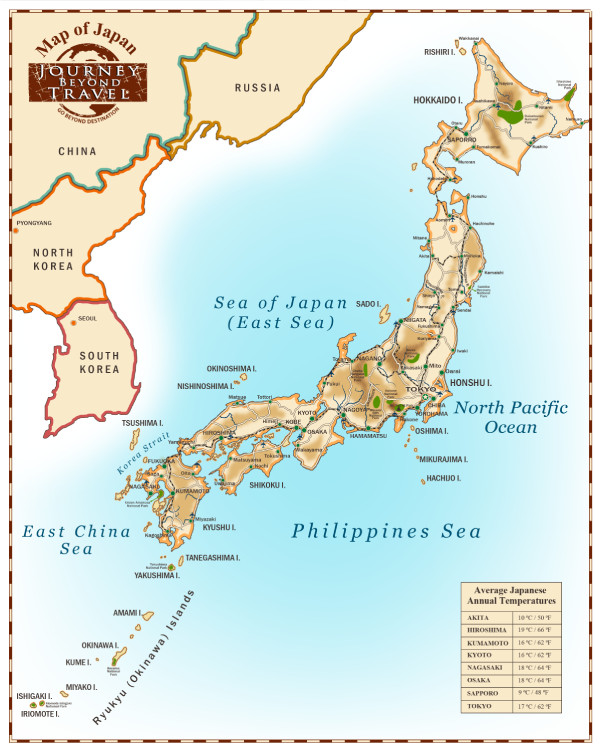
The itinerary below is an example of what we can and have put together. We can use this as a base for your own customized journey.
Signature
Golden Route with 3/4-star accommodation- Everything outlined in the boutique package with signature accommodation
Boutique
Golden Route with 4-star accommodation- Airport transfers and detailed transportation guidance
- All breakfasts; lunches and dinners where indicated
- Handpicked high-quality boutique ryokans
- Guided visits of Tokyo, Kyoto, Osaka and Hiroshima
- Cultural experiences, culinary deep-dives, optional walks, and local encounters
- Tailored pre-departure packets alongside our dedicated, personalized support
- Add-on activities including cooking workshops, food and drink tours, and extensions to the Nakasendo Trail, Nara, Naoshima, and Koya-san available. Flights, insurance, monument fees, and beverages not included
Boutique Plus
Golden Route with 4/5-star accommodation- Everything outlined in the boutique package with boutique plus accommodation
Pricing shown is an estimate. Prices will vary according to season, exchange rate, and other factors. Our tours are all private. Feel free to contact us with any questions you may have.
Check Out the Full Itinerary
Day 1 – Arrive in Hakone
Transport (2 hours), Dinner
You arrive in Japan and move straight into stillness. After landing in Tokyo (Haneda or Narita), you’re met and guided out of the city before it has a chance to overwhelm. The journey south to Hakone is a gentle decompression: Tokyo’s sprawl fades, hills rise, and the air begins to feel cleaner. Hakone is where Tokyoites come to exhale, and it’s an ideal first chapter for anyone crossing multiple time zones. You check into a traditional ryokan, where the tone is set in quiet details—shoes off, sliding doors, attentive service that feels intuitive rather than fussy. If your body is asking for rest, honour it. If you have the energy to explore, Hakone offers simple, satisfying options: a short wander, a view point, a museum visit, or a ropeway ride if the skies are clear. And if the weather cooperates, Mount Fuji sometimes appears like a reward you didn’t request. But the true purpose of today is recalibration. Sink into the onsen, let the heat do its work, and allow Japan to meet you gently. Dinner is kaiseki—seasonal, thoughtful, beautifully paced—and it lands differently when you’ve slowed down enough to notice. Tonight isn’t about checking boxes. It’s about arriving well, in the most Japanese way possible: with quiet, care, and room to breathe.
Day 2 – Hakone
Breakfast, Dinner
You wake to a calmer kind of morning—less noise, more light, and the feeling that your body is finally catching up to where you are. Breakfast at the ryokan is part of the experience: simple, nourishing, and quietly precise. From here, the day can unfold in two very different (equally correct) directions. If you want movement and contrast, Hakone is surprisingly rich: the Open-Air Museum offers sculpture and landscape in conversation, and there’s something satisfying about encountering Rodin or Miró with mountains in the background. If volcanic terrain intrigues you, the ropeway drifting above the stark slopes near Owakudani has a lunar quality—steam vents, mineral scent, and a reminder that Japan is still geologically alive beneath your feet. But Hakone also rewards doing less. A long soak in the onsen, a slow tea, a short walk that ends when it ends—this is not a place that demands productivity. The ryokan rhythm encourages you to live more intentionally for a day: wear the yukata without irony, move slowly through hallways designed for quiet, and let the landscape set the tempo. Late afternoon tends to be the sweetest time—light softens, views widen, and the world feels unhurried. Dinner closes the circle again: seasonal kaiseki, local ingredients, and a meal that doesn’t rush you. If you take one more soak after, you’ll sleep deeply. Hakone is doing its job—resetting the nervous system, preparing you for the more layered, story-rich days ahead.
Day 3 – Hakone to Tsumago
Transport (3.5 hours), Breakfast, Dinner
After breakfast—and, if you like, one last onsen soak—you leave Hakone and begin moving toward a different Japan: rural, forested, and quietly historic. From Odawara you catch the bullet train west, then continue onward toward the Kiso Valley via Nakatsugawa. The transition is noticeable. Urban density falls away. The scenery becomes more mountainous, more wooded, more local. This is the corridor once traced by the Nakasendo, the inland highway connecting Kyoto and Edo, travelled by feudal lords, merchants, and samurai. Even before you reach your destination, you feel that older rhythm in the landscape. By late afternoon you arrive near Tsumago, a remarkably preserved post town where modern visual noise is intentionally kept at bay. Wooden facades, narrow lanes, and a sense of continuity define the place. You check into your inn and the pace drops again, but in a different way than Hakone: here it’s not spa calm; it’s village quiet—crickets, distant footsteps, the soft hush of mountains. The evening is best kept simple. Dinner is seasonal and local, served with the understated warmth you’ll come to recognise as deeply Japanese hospitality. Afterward, step outside. This is one of those places where the night sky becomes part of the itinerary. With fewer lights and more darkness, stars feel closer. Tsumago isn’t about spectacle. It’s about atmosphere—Japan in a more intimate register, where the country’s love of preservation and detail isn’t curated for tourists so much as protected for itself.
Day 4 – Nakasendo Trail (Magome to Tsumago)
Transport (20 minutes), Breakfast, Dinner
You start the day with breakfast at your inn, then take a short ride to Magome, another former post town that feels lifted from a different century. Stone paths, wooden storefronts, mountain air—everything encourages you to slow down before you even begin walking. From here, you set out on one of Japan’s most satisfying half-day hikes: the Magome-to-Tsumago section of the Nakasendo Trail, about 8 km (5 miles). The walk typically takes around four hours at an unhurried pace, and that’s the point. This isn’t a “trek.” It’s a gentle descent through forest paths, small hamlets, and open stretches where the distant mountains frame the horizon. You’ll pass quiet shrines, simple rest stops, and small details that make the route feel lived-in rather than staged. The contrast is the magic: medieval townscapes at each end, and pure nature in between. Back in Tsumago, you have time to wander properly—browse small shops tucked behind traditional facades, take photographs without rushing, and let the village reveal itself beyond its first impression. Later, you return to your inn for a well-earned dinner and another onsen soak that feels earned in the best way. This day tends to lodge in travellers’ memory because it’s so balanced: movement, history, nature, and then rest. You fall asleep with that rare feeling that you’ve travelled not just across distance, but into a different pace of life.
Day 5 – Into Kyoto
Transport (2.5 hours), Breakfast, Dinner,
Walking Tour After breakfast, you leave the Kiso Valley and travel toward Kyoto—the former imperial capital, and still Japan’s most concentrated lesson in tradition. You connect via Nagoya and arrive into a city that feels instantly different: less vertical than Tokyo, more textured, more quietly ceremonial. Kyoto holds an astonishing density of temples, shrines, and UNESCO sites, but the secret to enjoying it is not trying to “cover” it. You arrive, have lunch downtown, then begin with a first introduction that sets the tone without exhausting you. Northwest Kyoto is a strong opening: Ryoan-ji, with its famous rock garden, is a masterclass in restraint. Kinkaku-ji, the Golden Pavilion, offers a luminous counterpoint—gold leaf reflected in water, composed and unforgettable. If time allows, Daitoku-ji adds another layer: a walled complex where Zen feels understated, not performative. Afterward, you check into your hotel—downtown for ease, or Gion/Higashiyama for atmosphere. In the evening, a walking tour of Gion brings Kyoto’s living traditions into focus. This isn’t “geisha as spectacle.” It’s craftsmanship, training, and cultural continuity—best understood with context and respect. The streets themselves do half the work: lantern light, wooden facades, soft footsteps, and the sense that you’ve entered a city that has been refining itself for a thousand years. Dinner rounds out the day, and then—if you want—Kyoto’s night can be as simple as a quiet stroll. This is a city you enter gently, and it rewards you for it.
Day 6 – Kyoto (Northern Higashiyama)
Breakfast, Dinner, Optional Tour
Kyoto is a walking city, and today is one of its best days to take slowly. You begin at Ginkaku-ji, the Silver Pavilion—subtle, restrained, quietly beautiful—and then follow the Philosopher’s Path south. The canal, the trees, the gentle curve of the route: it’s contemplative without trying to be. Along the way, you stop at Honen-in, where moss and stone feel like a form of poetry, then continue to Eikan-do (especially striking in autumn) and Nanzen-ji, a major Zen complex with space to wander and corners worth noticing. Look for small details—hidden paths, quiet sub-temples, the way Kyoto’s beauty often sits slightly off the main line of sight. Afterward, you head downtown for lunch, then step into Nishiki Market, a covered corridor of multi-generational vendors selling seafood, sweets, pickles, tea, knives, and crafts. It’s lively, but it’s also a window into Kyoto’s daily life—food as tradition, not trend. The afternoon stays open by design. You might visit Nijo Castle for shogunate history and creaking “nightingale floors,” or you might rent an e-bike and explore independently—Kyoto’s flat terrain and manageable side streets make it one of the most bike-friendly cities in Asia. Before dinner, freshen up. Then end the day downtown with a meal that feels local and seasonal, followed by a gentle evening walk along Pontocho and the Kamo River, where Kyoto glows quietly rather than loudly.
Day 7 – Kyoto (Southern Higashiyama & Fushimi)
Breakfast, Dinner
Today Kyoto leans into its most iconic textures—gardens viewed in stillness, preserved lanes, hillside temples, and one of Japan’s most unforgettable shrine walks. You begin at Shoren-in, where the garden is best appreciated traditionally: seated, with tea and sweets, letting the composition reveal itself slowly. From there you move to Chion-in and through Maruyama Park, then into the preserved slopes of Ninen-zaka and Sannen-zaka—stone lanes, wooden facades, small shops, and the sense that Kyoto’s past isn’t behind glass. You climb toward Kiyomizu-dera, where panoramic views stretch across the city. If you choose to descend into the Tainai Meguri, it becomes an experience not everyone expects: a subterranean passage navigated in near-total darkness, symbolising rebirth and reset. It’s quiet, disorienting, and strangely moving. After lunch nearby, you travel southeast to Fushimi Inari Taisha. Arrive with enough time to do it properly. The vermilion torii gates rise in steady rhythm, guarded by fox statues, and the walk becomes hypnotic—the kind of place where conversation naturally fades. You set your own distance: a short section is satisfying, but those who continue upward are rewarded with fewer crowds and broader views. The summit typically takes two to three hours round-trip at a steady pace. Dinner tonight can be in Gion or downtown, depending on your mood—Kyoto can do refined, but it can also do warm and simple beautifully. If the night calls for it, discreet cocktail bars still exist behind unmarked doors.
Day 8 – Arashiyama & Optional Excursions
Breakfast, Dinner
You head west to Arashiyama, where Kyoto turns greener and the river sets a softer soundtrack. Begin at Tenryu-ji, then enter the bamboo grove through the rear garden approach—a small routing detail that can make the experience feel calmer. The bamboo itself is iconic for a reason: the sound shifts, the light changes, and even with other travellers nearby, it can still feel quietly otherworldly. Continue along the grove and then step slightly away to Okochi-Sanso Villa, a more intimate counterpoint with manicured grounds and mountain views. If you want a bit more movement, Iwatayama Monkey Park adds a climb and panoramic views over Kyoto—plus semi-wild macaques that are very much in charge of their own day. Lunch is best along the Katsura River, unhurried and scenic. The afternoon is deliberately flexible. You might rent an e-bike and venture deeper into Arashiyama toward quieter temples—Jojakko-ji, Nison-in, Gio-ji, Adashino Nenbutsu-ji—set among rice paddies and residential lanes where Kyoto feels lived-in rather than toured. Or choose a cultural deepening: a tea ceremony, a sake visit in Fushimi’s brewery district, or a half-day train trip to Nara for Todai-ji. This day is designed to meet you where you are—active or restful, temple-heavy or texture-focused. Dinner brings you back to the city’s warmth, and the evening can be as simple as a stroll. Kyoto rarely asks for more.
Day 9 – Hiroshima & Miyajima (Arrival)
Breakfast, Transport (2h45m), Tour, Dinner
After breakfast, you board the train west to Hiroshima, and the day shifts from beauty to depth. Hiroshima is a place best approached with context, and meeting a local guide helps translate not just the facts, but the cultural way the city holds memory. You visit Peace Memorial Park and the Peace Memorial Museum—sobering, yes, but also profoundly human. Hiroshima’s story is not only about devastation; it’s about reconstruction, resilience, and the decision to build a future without forgetting. After the visit, the body often wants something grounding. Lunch is a perfect fit here: Hiroshima-style okonomiyaki, layered with noodles and cooked in front of you, feels hearty and restorative. Later, you travel by train and ferry to Miyajima (around 45 minutes), and the mood changes again—sea air, softer light, and a sense of sacred geography. You check into your ryokan for a two-night stay. Miyajima’s shoreline has a particular magic at dusk: lanterns beginning to glow, the tide shifting, the island settling. Dinner at the ryokan is quiet and seasonal, and it lands differently after the intensity of Hiroshima—like a gentle counterbalance. If you have the energy, take a short walk after dinner. Even a few minutes outside helps you feel the island’s calm. Today holds two of Japan’s most meaningful experiences in one arc—history that stays with you, followed by a setting that helps you breathe again.
Day 10 – Miyajima
Breakfast, Dinner, Optional Tour
You wake on the island to a calmer kind of morning—water nearby, softer sounds, the sense that the day will unfold at a human pace. You can explore independently or with a guide, depending on how much context you want woven into what you’re seeing. Itsukushima Shrine is the anchor: at high tide, the torii gate appears to float; at low tide, you can approach it on foot, which changes the feeling entirely. The shrine complex invites slow observation—wood, water, reflections, and a kind of sacred simplicity that feels deeply Japanese. Daisho-in Temple adds a different texture: more layered, more atmospheric, filled with small details—lanterns, statues, quiet steps—that reward attention. Lunch is on your own today, best in the town centre or at a small seaside café. Oysters are a local specialty if you’re curious, but there are plenty of simple options if you prefer to keep it light. In the afternoon, ride the cable car up Mount Misen, then explore summit paths and small temples with sweeping views across the Inland Sea. Up here, the air feels cleaner and the world looks wider—boats moving quietly, islands scattered like brushstrokes. Return to your inn for dinner and a well-earned soak. After sunset, a lantern-lit shoreline walk is one of Miyajima’s understated gifts—quiet, beautiful, and deeply calming. This day is less about “doing” and more about being in a place that naturally slows you down.
Day 11 – Naoshima
Breakfast, Transport (6 hours), Dinner
After breakfast and one last look toward the shrine gate, you leave Miyajima behind and begin a longer transit day toward Naoshima—Japan’s most celebrated art island. The journey is layered: ferry back to the mainland, rail to Okayama, local train to Uno Port, then a short ferry ride across the Inland Sea. It sounds complex on paper, but in practice it feels like a gradual shedding of the itinerary’s earlier intensity. By the time you arrive, the pace has changed again—salt air, open horizons, and the feeling that you’ve stepped into a curated conversation between landscape and contemporary art. You check into your accommodation and settle. If you’re staying at Benesse House, the experience is uniquely immersive—part boutique hotel, part museum, with architecture designed by Tadao Ando that makes you move differently: slower, quieter, more aware of light and shadow. Naoshima is not a place you rush. It’s meant to be absorbed. Late afternoon is ideal for a first wander—enough to feel the island, not enough to exhaust it. Watch the sun lower over the Inland Sea and notice how the atmosphere shifts as the light softens. Dinner tonight is calm and restorative, and then the evening becomes simple: a quiet walk, an early night, the sense of being somewhere intentionally different. Naoshima often surprises travellers—not because it’s loud, but because it’s so composed. Art here isn’t a day activity. It’s the environment.
Day 12 – Naoshima
Breakfast, Dinner
Today is your full Naoshima immersion—an island day where art and landscape take turns leading. After breakfast, you set out at your own pace, either by e-bike or with public buses that connect the major sites. The Benesse House Museum is a natural starting point: art integrated into architecture, galleries that feel spacious rather than crowded, and the quiet pleasure of moving through a place built for contemplation. The Chichu Art Museum is often the day’s emotional centre—Ando’s subterranean design, controlled natural light, and installations that ask you to slow down and stay. Naoshima is at its best when you resist the urge to “collect” it and instead let a few sites land properly. The Art House Project adds a different layer: smaller installations threaded through residential streets, turning the island’s everyday spaces into part of the experience. If timing and energy align, a side-trip ferry to Teshima can deepen the day—especially for the Teshima Art Museum, which feels less like a building and more like a quiet phenomenon. Lunch is on your own and can be as simple as a café stop, letting the day remain light and flexible. By late afternoon, you’ll likely feel the pleasant fatigue that comes from walking and thinking rather than just sightseeing. Dinner rounds the day out quietly. Naoshima tends to leave people with a specific kind of memory: not one dramatic moment, but a sustained feeling—light, salt air, art that doesn’t shout, and the rare experience of travel that genuinely resets the mind.
Day 13 – Koya-san
Breakfast, Transport (5–6 hours), Dinner, Night Tour
You leave the sea behind and travel inland toward one of Japan’s most spiritually resonant places: Koya-san. The journey takes time, and that’s part of the transition—moving from the open horizontals of Naoshima into mountains where the air feels cooler and the atmosphere shifts. Upon arrival, you check into a shukubo, a temple lodging that is simple, calm, and deeply rooted in ritual. This isn’t luxury in the conventional sense; it’s something rarer: quiet, intention, and a sense of belonging to a place with centuries of continuity. You explore the mountaintop town gently before dinner, letting the streets, temples, and forested edges set the tone. Dinner is shojin ryori—Buddhist vegetarian cuisine—prepared with care and seasonal logic. It’s subtle, nourishing, and surprisingly satisfying when you’re present enough to taste it properly. The evening is the day’s signature: a guided walk through Okuno-in cemetery, softly lit by lanterns. It’s one of Japan’s most atmospheric experiences—towering cedar trees, moss-covered stones, and a silence that feels respectful rather than eerie. Your guide helps translate what you’re seeing, not just in history but in worldview: the way Japan holds spirituality, ancestry, and reverence. You return to the temple lodging and sleep differently here—deeper, quieter, surrounded by forest air. Koya-san doesn’t try to impress. It simply invites you into a different frequency.
Day 14 – Koya-san to Osaka
Transport (2 hours), Food & Drink Tour
You rise early to observe morning rituals at the temple—soft chanting, incense, and a sense of time moving in a slower loop. After a vegetarian breakfast, you may visit Okuno-in again in daylight, which changes everything: what felt mysterious at night becomes serene and luminous, details emerging—moss, woodgrain, small offerings. Then you travel north toward Osaka, and the contrast is immediate. Where Koya-san is quiet and inward, Osaka is extroverted, direct, and proudly delicious. You check into your hotel in Minami—ideally Shinsaibashi or Namba—where the city’s best energy is at your doorstep. The afternoon is open to settle in: a coffee, a wander, a quick rest. Then the evening becomes what Osaka does best: a street-food tour through the south side of “Japan’s Kitchen.” This is not fine dining, and that’s the point. Osaka’s food culture is democratic—standing counters, sizzling grills, banter, and flavours that hit with confidence. You taste local favourites, learn the neighbourhood rhythm, and understand why people here talk about food the way other cities talk about art. Afterward, if energy allows, continue into Ura-Namba for bar hopping—small places, easy conversation, the kind of night that feels unplanned in the best way. Osaka’s charm is that it doesn’t dilute itself. It’s warm, smoky, lively, and unapologetically itself. After the contemplative days behind you, it’s the perfect re-entry into modern Japan’s everyday joy.
Day 15 – Osaka
Breakfast
Today is deliberately open—a day to follow appetite, mood, and whatever you feel like revisiting. Some travellers use Osaka as a launchpad: a return trip to Kyoto, a half-day to Nara, or a quick train to Himeji if the castle still calls. Others stay local and let Osaka reveal its texture beyond the headline lights. You might start with Kuromon Ichiba Market for snacks and colour—seafood, fruit, skewers, and the satisfying chaos of a working market. Doguya Suji offers a different kind of fascination: a street dedicated to kitchen tools, ceramics, knives, and restaurant supplies. Amerika-mura and Minami-Horie bring in Osaka’s youth culture—streetwear, cafés, and a more creative edge. If you want a clean skyline moment, Umeda Sky Building near dusk gives you the city’s full sprawl and a sense of how far you’ve travelled. Dinner is on your own today, and Osaka rewards bold choices. Tenma’s yokocho alleyways are a favourite for that lantern-lit, smoky, tightly packed energy—small counters, friendly locals, and food that arrives quickly and tastes like the city. Osaka is less about “sights” and more about rhythm: walking, eating, discovering, repeating. Keep it simple. Trust what looks busy and honest. This day often becomes a sleeper favourite because it feels real—less curated, more lived. By the end, Osaka usually feels familiar, not just visited. And that small shift—from outsider to slightly inside—is the kind of travel outcome we care about most.
Day 16 – Osaka to Tokyo
Transport (2.5–3 hours), Breakfast, Dinner
This morning you leave Osaka and travel back east to Tokyo by shinkansen—a smooth, comfortable glide across the country that makes long-distance travel feel almost effortless. It’s a reset day, but not an empty one. There’s something satisfying about watching Japan move past the window: cities thinning into countryside, then building back into Tokyo’s scale. You arrive and check into your hotel—Shinjuku and Shibuya if you want energy and nightlife close by, Marunouchi or Ginza if you prefer something more polished and central. The afternoon is yours to re-enter the city gently. Depending on your mood, that might mean a quiet museum hour, a café in a neighbourhood you’ve been curious about, or simply walking until you find a street that feels right. Tokyo doesn’t need to be “done” to be enjoyed. Often, the best experiences here are small: a perfect pastry, a beautifully designed bookstore, a department store food hall that feels like an art exhibition. Dinner is flexible, and tonight is a good time to go intentional—something you’ve been craving, or something that feels distinctly Tokyo: sushi, yakitori, a refined tempura counter, or an izakaya where the menu is partly a conversation. After dinner, take a short walk under the city’s neon and notice how Tokyo feels now compared to the beginning of the journey. You’ve changed. The city hasn’t, but your eyes have. That’s the quiet reward of travelling in a loop.
Day 17 – Tokyo’s Old-School East
Breakfast, Dinner
Tokyo’s east side carries a different kind of story—older, more intimate, and full of quiet pockets that feel preserved rather than rebuilt. You begin in Yanaka, one of the few districts spared from WWII firebombing. The streets are narrow, the tempo is slow, and the details feel lived-in: small temples, independent tea shops, confectioners, and contemporary galleries tucked inside restored buildings. From there you continue to Ueno and Ueno Park, then into the Tokyo National Museum—an exceptional place to understand what you’ve been seeing across Japan: craftsmanship, restraint, and how beauty is often designed to last rather than shout. Lunch in Ueno keeps the day grounded. Then you move toward Asakusa along the Sumida River and visit Senso-ji. Join locals at the incense burner, step through the grounds, and feel how Tokyo still makes room for ritual in the middle of modernity. The afternoon can unfold in several directions depending on your appetite for polish. Ginza is an easy pivot—department stores done like cathedrals, and food halls (depachika) that are pure sensory theatre. It’s a beautiful place to shop for ingredients, tea, sweets, and gifts that are actually useful—not just souvenirs. Dinner can match your mood: refined sushi and sake in Ginza, or something more informal near Shimbashi—yakiniku, yakitori, izakayas, standing bars where Tokyo feels wonderfully local. If the night still has pull, end with cocktails in one of Ginza’s discreet bars where craft is quiet and service feels effortless.
Day 18 – Tokyo’s Western Pulse
Breakfast, Tour
Today Tokyo shows you its most iconic contrasts: sacred quiet, design-forward streets, and nightlife that doesn’t pretend to be anything else. You start in stillness at Meiji Jingu, where the approach through dense urban forest softens sound and clears the mind. Then the city shifts into motion. You walk Omotesando, where architecture feels like part of the itinerary, then veer into Harajuku’s side streets—less about the crowds and more about the details: small boutiques, niche cafés, unexpected pockets of creativity. Continue toward Aoyama, where Japan’s fashion legacy anchors itself through names like Rei Kawakubo, Yohji Yamamoto, and Issey Miyake, and where even flagship buildings—Prada’s bubble-textured façade among them—feel like modern sculpture. The Nezu Museum is a perfect pivot, offering a garden as much as an art collection—quiet, refined, and restorative. Lunch nearby, and if tea calls to you, a curated tasting adds depth rather than novelty. Later, Shibuya delivers the pulse: stand at the crossing and let it hit you. Tokyo’s scale becomes real here, not theoretical. In the evening, join a food and drink tour through Shinjuku’s narrow alleys—Kabukicho for edge, Golden Gai for texture, tiny bars with personality compressed into lantern-lit lanes. Music lovers can push further into live houses and DJ bars across the west. Tokyo at night doesn’t dilute itself. It asks you to meet it with curiosity and a little stamina.
Day 19 – Depart from Tokyo
Airport Transfer (45–90 minutes)
Today the journey wraps, and Tokyo offers you one last window—just enough time to choose how you want to leave. If your flight is later, use the morning intentionally. This is the moment for last-minute gifts from a depachika, one final bowl of ramen, a quiet coffee in a neighbourhood café, or a short walk through a district you’ve grown attached to. It’s also the day to collect the small things you told yourself you’d grab “later.” Later is now. There’s a particular satisfaction in moving through Tokyo with familiarity—the subway feels less intimidating, the city feels less like a puzzle, and you realise you’ve absorbed more than you think. When it’s time, you transfer to Haneda or Narita. We recommend arriving at least three hours before your flight so check-in and customs stay smooth. Then it’s wheels up. Nineteen days ago, everything felt new and slightly out of reach. Now it feels recognisable—like you’ve earned a little fluency in how Japan moves, eats, rests, and reveals itself. That shift—from visitor to something slightly closer—is the real souvenir. It’s what stays after the photos and purchases fade into the background. You go home carrying not just places, but pacing: a quieter mind, sharper senses, and a renewed appreciation for craft, care, and the beauty of doing things properly.

Proud Members of ATTA

Eco-Tourism Provider
