
Adriane Anderson - Your Local Spain Expert
Adriane was born to American parents and raised in Andalusia, Spain near the coastal city of Cadiz. With a long history of welcoming travelers to Spain, she will bridge cultures and build your Spanish journey.

Some of our Favorite Spain Tours
To get you started, here are two of our favorite Spain tours we’ve developed over the years. Take a look at these for some travel inspiration and contact us so we can personalize your journey.

The Best of Andalusia
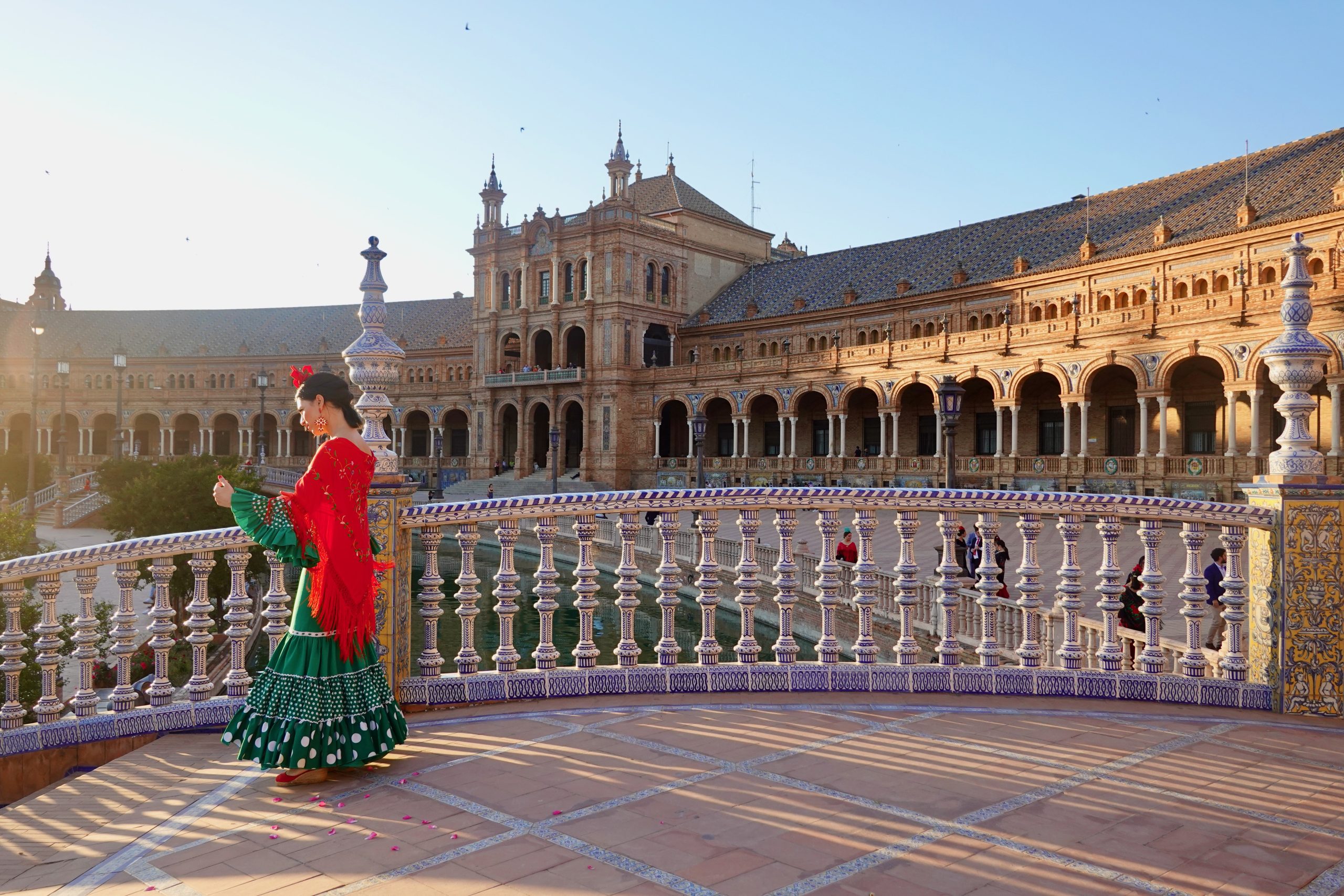
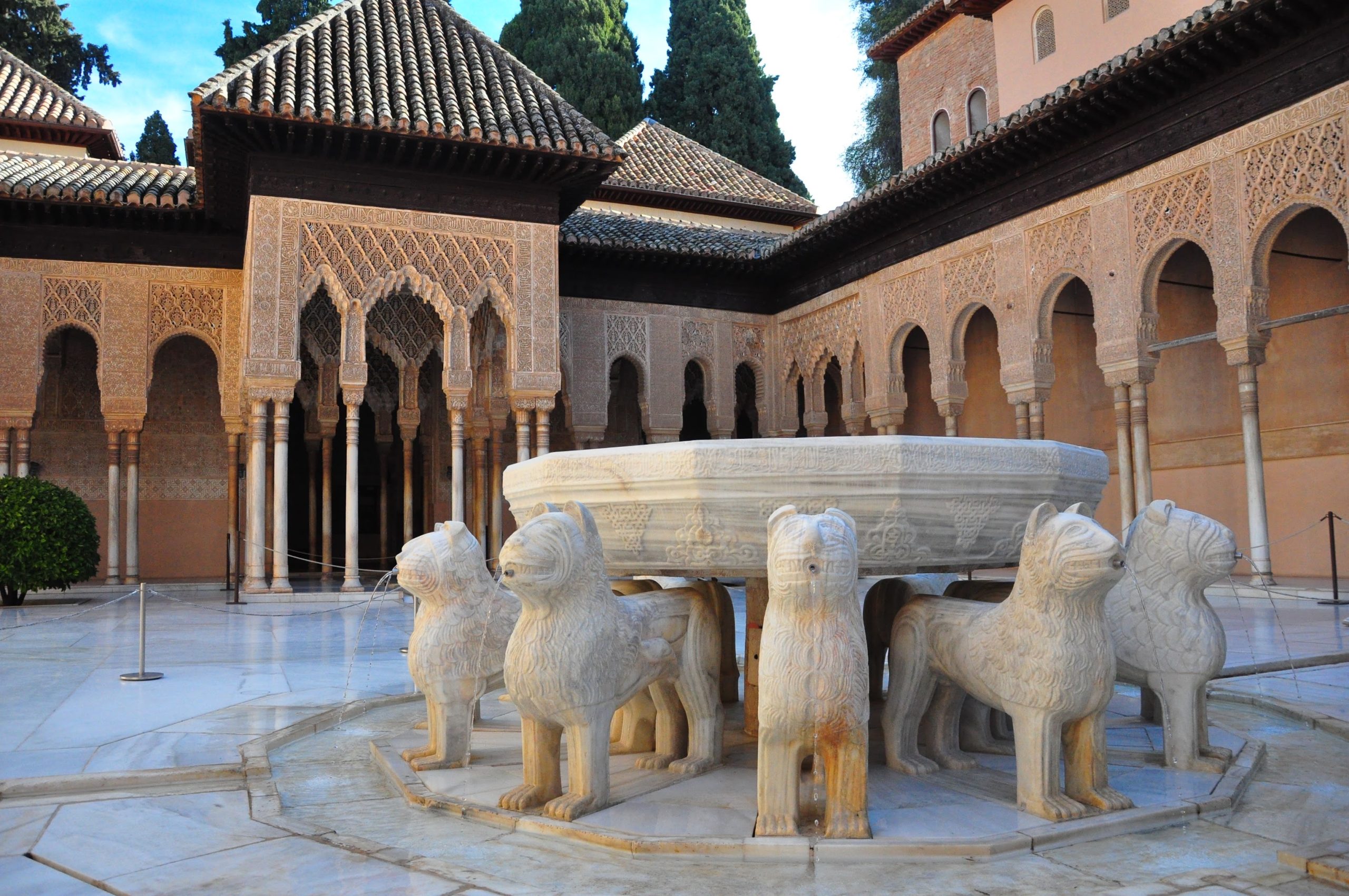
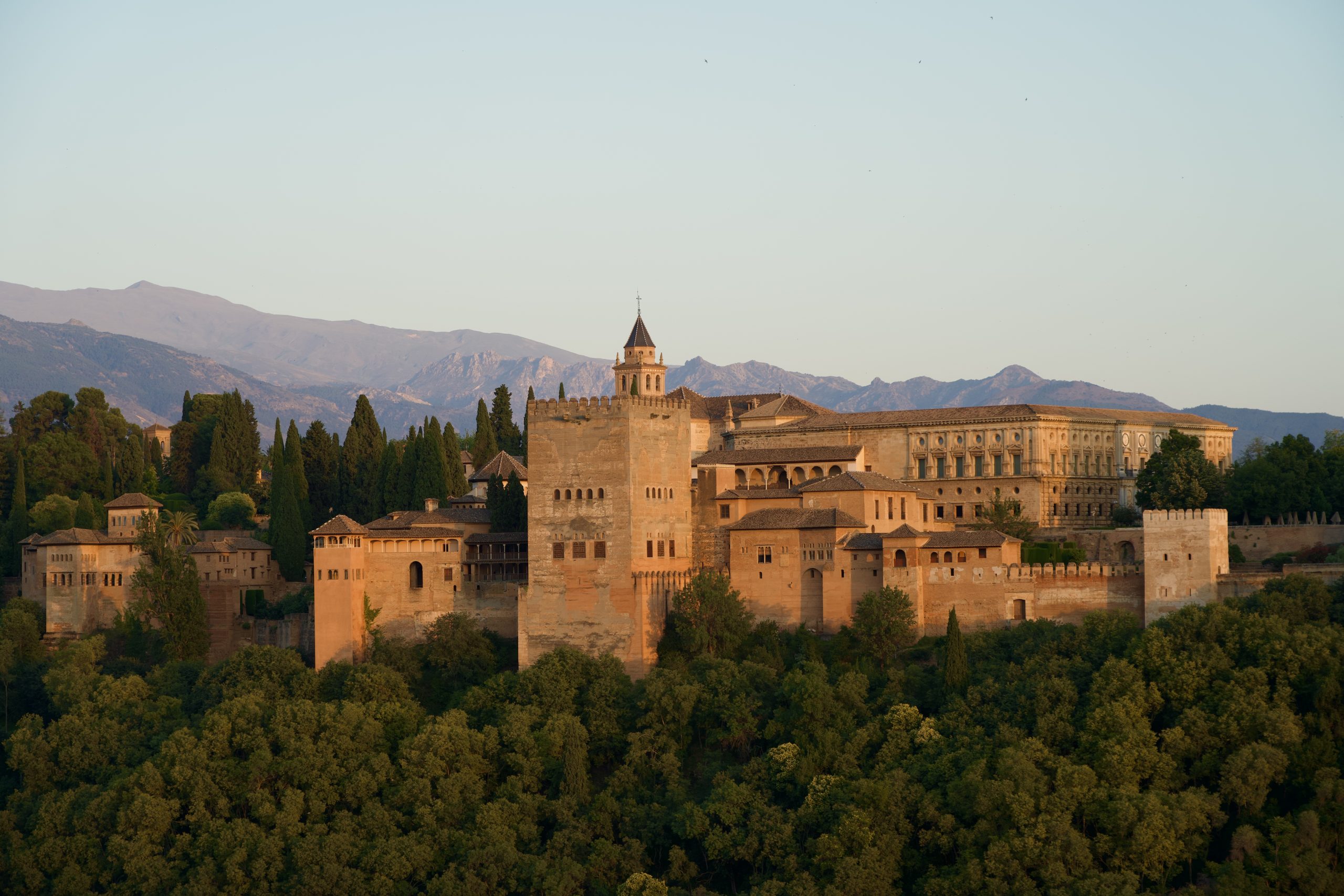
Take a highlights tour of Andalusia that whisks you from the bustling markets of Triana in Sevilla to the quiet heights of the Alhambra in Granada.

Eclectic Andalusia
Explore two continents, two cultures, and two religions on this tour that straddles the Mediterranean. An adventure fit for a true explorer.

The Best of the Basque
9 day excursion the North of Spain to include The Basque Country, La Rioja, Cantabria, and Asturias
Spain Travel Information
We hope that as you prepare for your personalized Spain tour that you’ll be able to use our website as a handy reference. We’ve got all sorts of information to share here with you about Spain! Enjoy learning and feel free to check out our blog for more information, articles, and videos to help you prepare for your travels through Spain. This information, among other details, will be sent to you in a packet before your Spain vacation begins.
Introduction to Spain
Spain is a country that dazzles with its endless variety and rich history. Warm sunlit plazas and ancient mysterious castles that have marked over 4,000 years of culture intertwining, with more than 40 UNESCO World Heritage sites and an abundance of traditions stretching from the Pyrenees to the Mediterranean. Whether it’s the haunting echo of a flamenco guitar or the vibrant colors of a city festival, Spain’s allure is undeniable.
Spain is a land where past and present coexist in vibrant harmony. From ancient cave paintings to the birth of modernism, this country has shaped art, literature, and music in ways that have rippled across continents. Trying to absorb it all might seem impossible, but the challenge is irresistible. For a country with such compact borders, Spain offers an astonishing range of environments, dialects, and flavors, each one more enticing than the last.
Its cities pulse with architectural wonders — Gothic spires scrape the sky, while Moorish palaces shimmer in the midday sun. Barcelona is a swirl of surrealist designs, while Madrid’s royal splendor grounds its cosmopolitan vibe. But step beyond the cities, and the countryside unfolds in every direction. Golden beaches stretch endlessly along the southern coast, rugged cliffs frame the north, and olive groves roll over the hills of the interior like green waves.
The flavors of Spain are just as varied and vibrant. In every village, local dishes reflect the land they come from — fresh seafood along the coasts, hearty stews in the mountains, and the delicate balance of sweet and savory in the south. Each region holds its culinary secrets close, and whether it’s the rich, smoky flavors of a paella or the simple perfection of jamón ibérico, the food will transport you with every bite. Spanish wine, too, is deeply connected to the land. From the rich reds of La Rioja to the crisp whites of Rías Baixas and the storied sherries of Jerez de la Frontera, a glass of wine here tells the story of its origin.
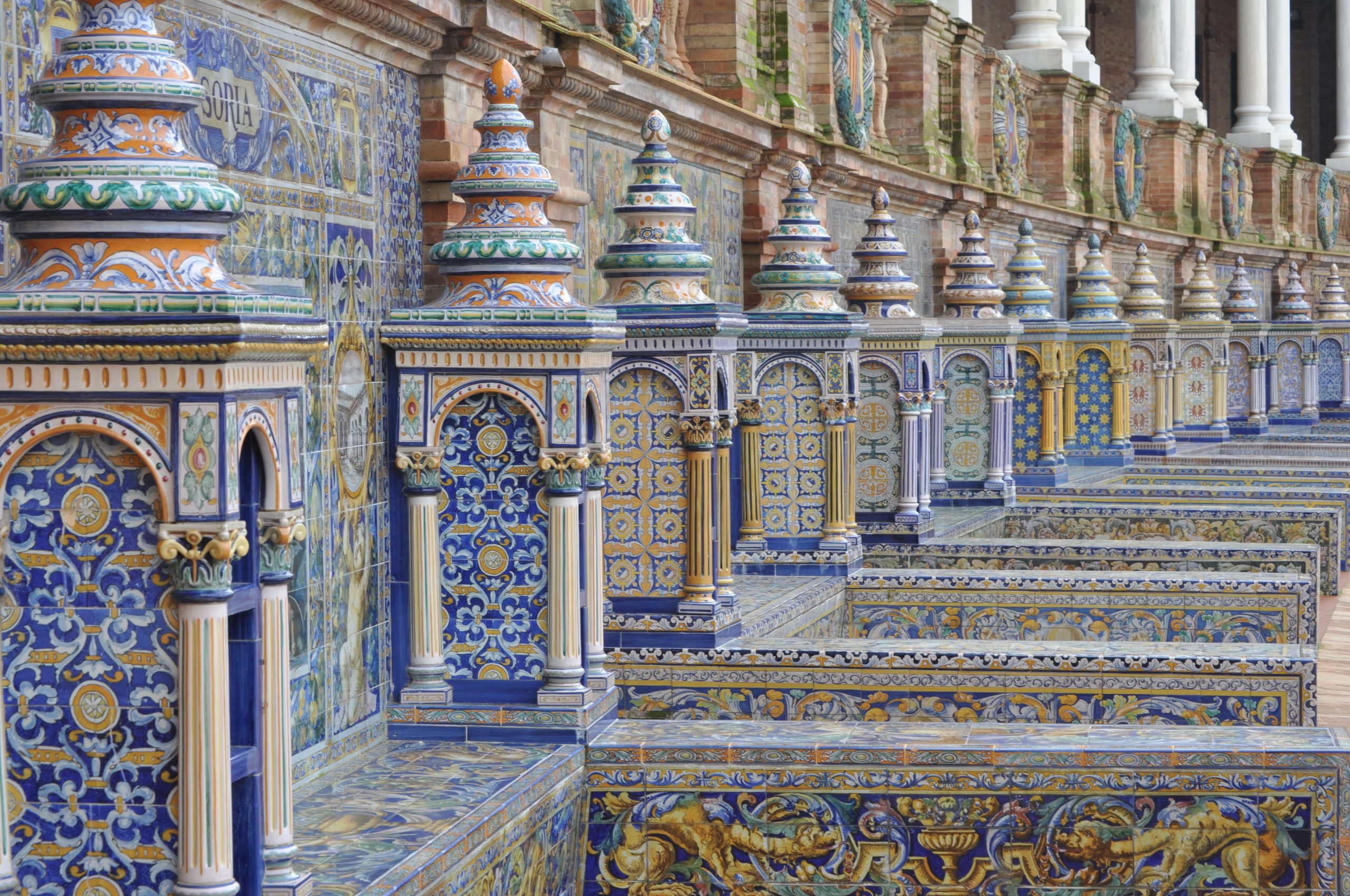
Art and architecture are in Spain’s DNA. This is the birthplace of masters who reshaped how the world sees beauty — from Velázquez and Goya to Picasso and Dalí. Castles perch on lonely hillsides, reminders of medieval conquests, while Roman bridges still span rivers that have flowed for millennia. Each corner of Spain holds its own distinct personality, no two cathedrals share the same silhouette, and no two fiestas are ever quite alike.
Light in Spain behaves like nowhere else. It bathes the streets of Seville in a soft golden glow, bounces sharply off the white-washed houses of Córdoba, and turns the mountains of Asturias into mystical silhouettes. By evening, the sun dips into the Atlantic, casting the rugged Galician coast in shades of red and violet. Whether you’re drawn to Spain for its art, its food, or its history, every corner of the country will spark your curiosity and ignite your senses. It’s a place where beauty is abundant, and creativity knows no limits.
Introduction to Kenya
Straddling two continents and shaped by countless civilizations, Turkey is where East and West converge in a striking blend of history, culture, and natural beauty. From the cosmopolitan energy of Istanbul, where Byzantine churches and Ottoman palaces stand alongside contemporary cafés and bustling bazaars, to the sunlit Aegean coast and the surreal landscapes of Cappadocia, the country offers a journey through both time and terrain.
This transcontinental republic, officially known as the Republic of Turkey, spans southeastern Europe and western Asia, with a cultural and political identity informed by both worlds. Governed as a presidential republic and led by President Recep Tayyip Erdoğan, Turkey is a secular state with a Muslim-majority population, where Islamic traditions coexist with modern lifestyles and evolving social norms.
Turkey borders eight countries: Greece and Bulgaria to the northwest, Georgia to the northeast, Armenia, Azerbaijan’s Nakhchivan exclave, and Iran to the east, and Iraq and Syria to the south. Its coastlines unfold along four seas—the Aegean, Mediterranean, Sea of Marmara, and Black Sea—each shaping regional culture, cuisine, and history in distinct ways.
Once the heartland of powerful empires—the Hittite, Greek, Roman, Byzantine, and Ottoman—Turkey’s layered past remains visible everywhere. The Greco-Roman ruins of Ephesus, the solemn landscapes of Gallipoli, the fairy chimneys of Göreme, and the monumental mosques of Istanbul form an open-air archive of civilizations. Sites such as Troy, the travertine terraces of Pamukkale, and the spiritual centers of Konya and Mount Ararat add further depth for travelers drawn to history, faith, and myth.
While Islam is the predominant religion, Turkey holds a long tradition of religious coexistence, reflected in its Christian and Jewish heritage sites, particularly in Istanbul and parts of southeastern Anatolia. Modern Turkish identity carries a strong sense of national pride, shaped by the reforms of Mustafa Kemal Atatürk, founder of the Republic in 1923, whose legacy emphasized secularism, education, and women’s rights.
From the high plateaus of Anatolia to the clear waters of the Turquoise Coast, daily life is animated by hospitality and ritual. Folk dances, poetic traditions, and artisan crafts preserve ancestral knowledge, while contemporary art, fashion, and cinema signal a society engaged with the present.
Turkish cuisine reflects this cultural richness. Shared dishes such as kebabs, mezes, börek, dolma, and baklava anchor meals built around conversation and generosity, accompanied by glasses of çay (tea), ayran, or a measured sip of raki. Markets overflow with spices, olives, cheeses, and sweets, while regional cooking ranges from Aegean seafood to the hearty stews of eastern Anatolia.
With climates spanning Mediterranean warmth and snow-covered mountains, Turkey invites exploration throughout the year. Spring and autumn offer particularly favorable conditions, whether wandering ancient ruins, hiking in the Kaçkar Mountains, or lingering in a hammam before sunset over the Bosphorus.
Floating above Cappadocia by balloon, sailing the Aegean on a wooden gulet, settling into a stone-carved boutique hotel, or sharing a meal in a mountain village, visitors encounter a country where empires leave echoes, cultures overlap, and every landscape carries a story waiting to be read.
Country Facts
OFFICIAL NAME: Spain (España)
CAPITAL CITY: Madrid
GOVERNMENT: Parliamentary Constitutional Monarchy
PRIME MINISTER: Pedro Sánchez
GEOGRAPHIC LOCATION: Southwestern Europe
GEOGRAPHY: Mountains, Plains, Coastlines, Plateaus, Valleys, Forests
BODIES OF WATER: Mediterranean Sea, Atlantic Ocean, Bay of Biscay, Alboran Sea, Balearic Sea
POPULATION: ~ 47 million
AREA: 505,990 km²
COASTLINE: 4,964 km
LANGUAGES: Spanish (Castilian), Catalan, Galician, Basque
ETHNICITY: Mixed
RELIGION: Christian (68.9%); No Religion (27.6%); Muslim (~2%); Other (~1.5%)
LITERACY RATE: 98.44%
UNEMPLOYMENT RATE: 12.7%
CURRENCY: Euro
ANNUAL PER CAPITA GNP: $32,125
ARABLE LAND: 10.2 million hectares
IRRIGATED ARABLE LAND: 21.1%
FORESTS: 55.8%
AGRICULTURE: Olives, grapes, citrus fruits, vegetables, wheat, barley; livestock
NATURAL RESOURCES: Metals, minerals, fish, renewable energy
INDUSTRIES: Agriculture, tourism, transportation, energy, manufacturing, services, technology
NUMBER OF TOURISTS: 83.7 million (2019)
LARGEST CITIES: Madrid (3.3 million); Barcelona (1.6 million); Valencia (800,000)
TIME ZONE: CET (Central European Time)
TELEPHONE COUNTRY CODE: +34
CLIMATE: Coastal areas: mild and humid; Inland: hot, dry summers and cold winters; Mountainous regions: cold and snowy
AVERAGE WINTER TEMP: 6°C/43°F; AVERAGE SUMMER TEMP: 26°C/79°F
HOTTEST CITY: Seville
COLDEST CITY: Burgos
BEST TIMES TO VISIT: April-June and September-October
SPANISH PEOPLE: Warm, sociable, passionate, expressive, diverse
Geography
Spain is about the size of Texas, yet its geographic diversity could rival that of an entire continent. The Iberian Peninsula, where Spain sits, was shaped over millions of years by the collision of the African and Eurasian tectonic plates during the Mesozoic and Cenozoic eras. This slow, powerful movement formed Spain’s rugged landscapes — from its towering mountains to its rolling plains. Over the millennia, changing climates and natural forces sculpted the land, creating jagged peaks, fertile valleys, winding rivers, and an impressive coastline.
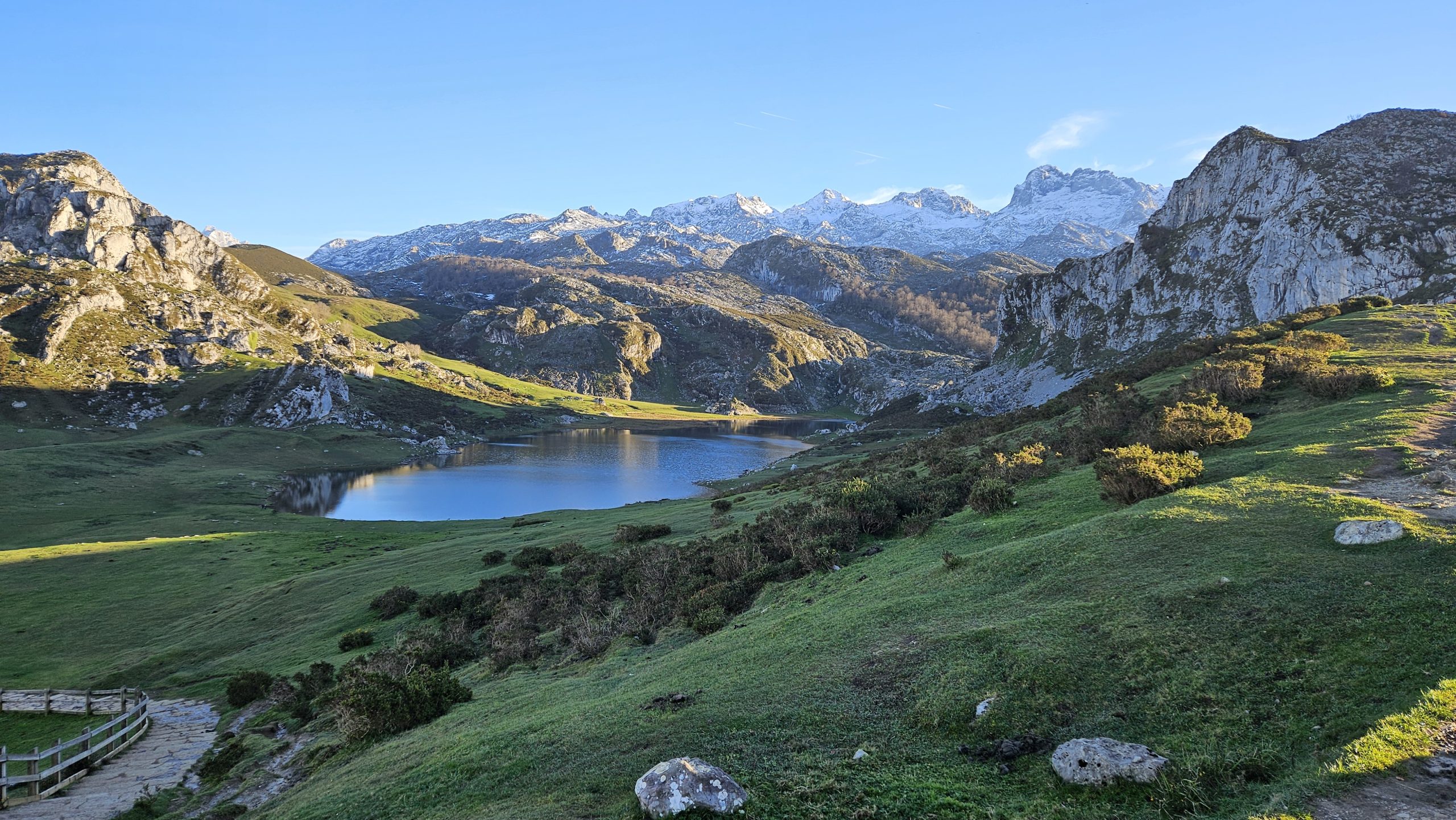
Mountains dominate Spain’s geography, with over half the country sitting at an elevation of 600 meters (about 2,000 feet) or higher. The Pyrenees rise sharply along the northern border, acting as a natural barrier with France and Andorra. Further south, the Cantabrian Mountains stretch along the northern coast, while the Sierra Nevada in the south boasts mainland Spain’s highest peak, Mulhacén. The Central Plateau, or Meseta, occupies much of Spain’s heart, with the Iberian, Central, and Montes de Toledo ranges carving the landscape into valleys and basins.
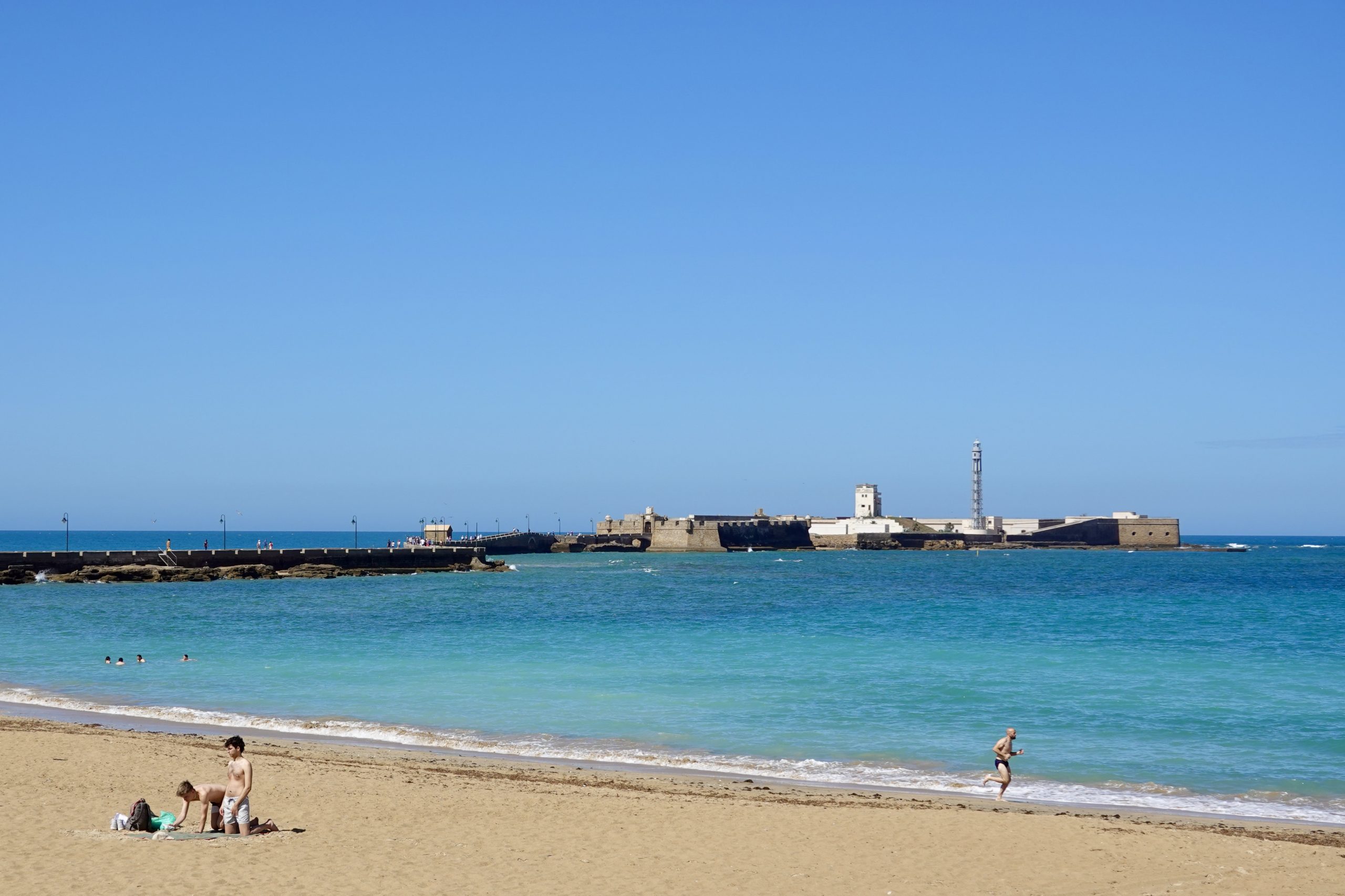
Spain’s coastline stretches for 4,964 kilometers (3,084 miles), and the sea is never far. The country is bordered by both the Atlantic Ocean and the Mediterranean Sea, creating a mix of rugged cliffs, sandy beaches, and tranquil bays. The Bay of Biscay shapes the northern coast, while the Mediterranean defines the eastern and southern shores. Islands, too, are a key part of Spain’s geography. The Balearic Islands in the Mediterranean and the volcanic Canary Islands off the northwest coast of Africa each have their own unique landscapes, from lush green forests to near-desert plains.
Spain’s rivers, like the Ebro, Tagus, and Guadalquivir, carve their way through the countryside, providing vital resources for agriculture and settlement. The fertile river valleys have historically been centers of cultivation, with olive groves, vineyards, and citrus orchards thriving in the sun-drenched south. The varied terrain, from near-desert expanses in regions like Almería to the lush, green hills of Galicia, showcases the incredible range of climates and ecosystems within Spain’s borders.
Though Spain’s mountainous geography has often been a challenge for transportation, it has also fostered a rich variety of regional cultures, languages, and cuisines.
Money & Shopping
The euro replaced the peseta and has been Spain’s official currency since 2002. Banknotes come in denominations of €5, €10, €20, €50, €100, €200, and €500 (with the €500 note being gradually phased out). Each bill varies in color and size for easy identification. Coins are available in €0.01, €0.02, €0.05, €0.10, €0.20, €0.50, €1, and €2, and they also differ in color, shape, and size. Like in other eurozone countries, Spain mints its own coins with unique national designs on one side.
Exchange rates between the dollar and the euro can influence your spending in Spain. Recently, the rates have hovered close to parity, making travel expenses fairly stable for U.S. visitors. If you need euros, there are several options for obtaining them. You can exchange currency at your local bank before departure, use exchange agencies at airports or near tourist sites, or simply withdraw euros from ATMs across Spain. Debit and credit cards are widely accepted in most establishments, so it’s easy to get by without much cash on hand.
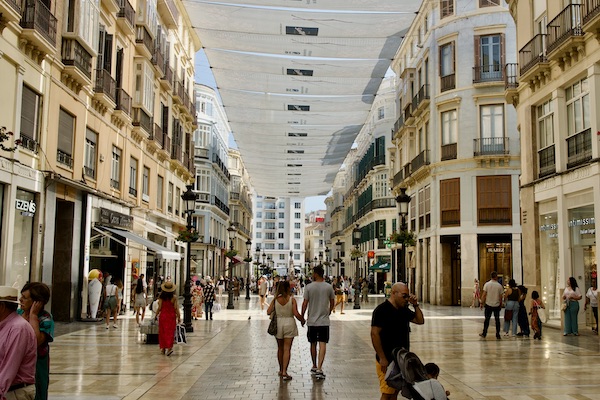
Spanish shops, especially those family-owned, often specialize in one specific type of product, whether that’s shoes, books, pottery, clothing, or other crafts. Many businesses are small, but you can also find larger department stores and shopping malls, particularly in and around major cities. High-end luxury boutiques are concentrated around famous landmarks like Madrid’s Gran Vía or Barcelona’s Passeig de Gràcia. If you’re into antiques or vintage finds, flea markets and second-hand stalls are popular in cities like Madrid and Seville, offering a wide variety of items for collectors with patience.
When entering a shop or bar in Spain, it’s customary to greet the staff with “buenos días” (good morning) or “buenas tardes” (good afternoon). Spanish shopkeepers are typically relaxed and won’t hover over you while you browse, but they’ll be attentive and happy to help if you show interest in an item. They’ll assist you in finding your size or provide details about how a product is made. When leaving, it’s polite to say “gracias” (thank you) or “adiós” (goodbye), even if you didn’t make a purchase.
Communication & Health
Getting online in Spain is relatively easy. Major cities like Madrid, Barcelona, and Seville offer extensive public Wi-Fi networks, often free of charge, though registration is required and there may be time or data limits. Most Spanish hotels, airports, and train services, including Renfe, also provide Wi-Fi to keep travelers connected throughout their journey.
If your smartphone uses the GSM system, which is the standard across Europe, you’ll have no trouble using it in Spain. All major smartphones, such as iPhones, Samsung Galaxy, and Google Pixel devices, are compatible, though roaming charges and data rates vary depending on your carrier. Many mobile companies offer international bundles that include text messaging, data, and calls. Be sure to compare plans ahead of time to avoid unexpected fees.
Purchasing a local SIM card is another option, and you can easily get one at any mobile phone store in Spain. Operators like Movistar, Orange, Vodafone, and Yoigo offer prepaid SIM cards with competitive rates for domestic and international use. You’ll need a passport or photo ID to buy one, but this is often the most cost-effective choice for extended stays or frequent calls. SIM cards can be found in major cities, at airports, and in local mobile shops.
If your phone isn’t GSM compatible, you can rent or buy one in Spain. Rentals are available at the airport, but they tend to be expensive. Alternatively, purchasing a basic phone with prepaid minutes from the same telecom operators is a more affordable option, with prices starting around €30. Using Wi-Fi is another great way to save on call charges. Many hotels, cafes, and public spaces offer Wi-Fi hotspots, allowing you to make free calls via apps like WhatsApp, Skype, or FaceTime.
Stamps, or sellos, for postcards and letters can be bought at estancos (tobacco shops) and some kiosks. For larger parcels, you’ll need to visit a Correos (post office). Correos offices are typically open Monday to Friday from 8:30 a.m. to 2:30 p.m., with some branches also operating on Saturday mornings. Postcards to the United States or other international destinations cost about €1.50, depending on size and weight, and can be sent via standard or express post for a small additional fee. Mailboxes are yellow, with separate slots for local and international mail.
Spain’s healthcare system is modern and highly regarded, consistently ranking among the best in the world. Public hospitals provide emergency care for free, though non-urgent treatments may require a small copayment, usually under €50. The emergency services number is 112. If urgent care is needed, head to the nearest urgencias (emergency room) in a public hospital.
Pharmacies, easily identified by their green cross signs, are plentiful in Spanish cities and often have extended hours. Some are open 24/7, and if one is closed, you’ll find a list of nearby open pharmacies posted in the window. Spanish pharmacists are knowledgeable and can assist with minor health issues or provide over-the-counter medicines. In addition to medications, pharmacies stock everyday essentials like sunscreen, toiletries, and baby products. They are also the best place to find hand sanitizer, masks, and other hygiene products.
If you like reading stellar travel articles, explore our journal for even more great expert information!

Spain Tour Information
At Journey Beyond Travel, we get lots of questions all the time about Spain. We try to keep this list updated so that you can get an understanding about how we run our Spain tours. We are different from a lot of other tour operators and pride ourselves on our dedicated staff and deep knowledge of the country. Find out how you can customize your tour for a bespoke experience tailored to your travel needs. Read through these common questions we get as our answers may help you decide if we are the best tour operator for you!
Please reach out and send us an email if you have any questions at all!
What kind of tours do you organize?
Journey Beyond Travel organizes private, customized tours for travelers from all over the world. We design each tour from scratch with you in mind. The result is a personalized journey that meets your travel requirements, preferences, and style. Our trips are flexible and tailored specifically to your interests. We ensure your experience balances independent exploration with engaging guided visits of extraordinary sites. That means you get to explore on your own with the option of having a dedicated driver and/or expert guide on hand to reveal remarkable destinations throughout Spain.
What kind of transportation do you use on your trips?
Spain has a modern and efficient high speed rail network that makes moving between major cities fast, easy and convenient. We use two train operators, both of which provide multiple levels of comfort and service depending on your preferences. Our team of private certified drivers will accompany you within towns, cities and on day-long excursions. We also arrange car and bicycle rentals for travelers who want to discover the joys of Spanish trails and roads. Our favorite form of transportation however is walking, and you’ll do a lot of that with our expert guides!
In addition, we offer baggage transfers, private airport transfer, and helpful “how to” summaries for getting around Spain.
When is the best time to visit Spain?
It’s always a good time to visit Spain! That said, most travelers would do well to look at Fall and Spring travel. There are typically fewer travelers and temperatures are pleasant with longer days. Fall is perhaps the better season with fewer conferences and festivals to worry about scheduling around, and along the Mediterranean, the waters retain a bit of their summer warmth, making for an ideal beach break. Hotels charge midseason rates and locals go about their age-old routines. Autumn is also harvest time, when culinary festivals are in full swing, and freshly picked grapes and olives are transformed into wine and oil. Summer sees a dramatic increase in arrivals, with July and August the apex of the tourist season along the coasts and even in land for those willing to brave the heat. Christmas is not such a big holiday here with most of Spain celebrating the Epiphany on January 6 as their main winter holiday, around which many businesses will be shuttered.
What is the weather like?
Spain is a large country with mountain ranges in the north and south, to say nothing of the tropical Canary Islands. In mainland Spain, you can expect sweltering summers inland, though prime beach weather, particularly along the Atlantic and Mediterranean coasts. Likewise, the waterfronts will have more temperate winters, while inland and the mountains can see freezing temperatures and snow. The rainy season typically starts in December and goes through March, though starting earlier and continuing longer the farther north you are.
Will my cell phone work and how much will it cost?
Your smartphone will work in Spain if it uses the GSM system, which is the European standard. All iPhones, Samsung Galaxies, and Google Nexus devices function, although rates vary between operators. Voice calls to the United States can range from $1.79 (Verizon) to $0.20 (T-Mobile) per minute depending on your plan. Most companies offer international bundles that include a certain amount of text messaging, data transfer, and voice traffic. If you don’t want any unexpected bills, compare offers and choose one that meets your communication needs. You can also purchase a SIM card in Spain at any mobile shop and use it in your phone. Alternatively, you can purchase an international plan from your carrier of choice back home. Newer phones often can use secure eSIM cards, which allow you to use a service provider like Airalo for your connectivity needs.
Should I purchase trip insurance?
In the world of modern travel, it’s a good idea to have travel insurance. We suggest you purchase cancellation, interruption, and medical insurance that will cover you in the case of an emergency. Once you’ve booked your journey, we’ll send you a list of insurance providers our clients recommend.
Do I need a visa to enter Spain?
Travelers from the United States and Canada do not need a visa to enter Spain for visits of 90 days or less. All that’s required is a passport valid at least three months after your scheduled departure date. Travelers may be required to provide proof of accommodation (such as a hotel reservation) and evidence of a round-trip ticket confirming their return to their home country.
Should I exchange money before arriving?
The days of physically exchanging currency are numbered. ATM machines (Cajeros) are ubiquitous in Spain and found at most bank branches. They all accept foreign debit and credit cards, and exchange rates are set daily. Before leaving you may want to ask your bank or credit card company about international transaction fees. Most have an international processing charge that can be a fixed amount or a percentage of total withdrawal. Most Spanish banks also charge fees for cardholders from other banks. ATMs provide instructions in multiple languages and the maximum daily withdrawal is €500.
Where can I learn more about Spain?
There’s no shortage of information about Spain! You can check out Spain’s official website or contact us with your specific questions to get the up-to-date info.
Lucas Peters, the Managing Director of Journey Beyond Travel writes and photographs the Moon guides: Sevilla, Granada, and Andalusia and Grand European Journeys.
Understanding the difference between group travel and private, customized travel in Spain is highly recommended. Feel free to contact us for any details as it may be worth the extra expenditure to have a highly personalized experience tailored to your travel needs.
JBT World Collection Testimonials
Read what our clients are saying about our tours. We work endlessly to ensure that those who travel with our team have an unparalleled experience. Take a look at the reviews of our private trips. And, if you’d like to talk to one of our past travelers, just let us know!
“Our Spain journey with JBT was even better than we imagined, the perfect complement to our Morocco adventure. From seamless planning in Madrid to Andalusia’s beauty, every detail was cared for. We adored our city guides, and our driver Jebril welcomed us into his home for a delicious couscous meal — a memory we’ll treasure forever. The special touches from Amina and Lucas, from homemade gifts to sharing lunch together, made us feel like family. Truly, it was one of the best trips of our lives, and we can’t wait to explore more of the world with JBT!”
The Durants
“Our Italy trip with JBT was absolutely unforgettable. From the moment Alexei crafted our detailed, personalized itinerary — even pulling off a last-minute hot air balloon ride for my niece — we knew we were in the best hands. Each day was filled with extraordinary experiences, from private tours of Rome and Florence’s greatest treasures to a pasta-making class and a Chianti winery lunch. Our guides were exceptional, our hotels perfectly located and welcoming, and every driver and detail seamless. JBT once again exceeded my expectations, and I wouldn’t hesitate to turn to them for future adventures anywhere in the world!”
Judy F.
“Our Japan adventure with JBT was nothing short of epic! The itinerary was so thoughtfully designed — from a serene start in Hakone to the journey through ancient traditions and modern wonders — and the variety of lodging, from ryokans to a Kyoto townhouse to a glamping tent, made it truly unforgettable. The train instructions were flawless, and having Yuka as our guide and new friend was a gift. After two incredible journeys with JBT, we can honestly say you are the best!”
Kelley and Steve

Proud Members of ATTA

Eco-Tourism Provider