Some of our Favorite Turkey Tours
We’ve got some great Turkey tours we’ve developed over the years. These are some of our favorites. And, while many tour operators have similar routes, it’s really the inner-workings and attention to detail that truly matter and make our Turkey tours stand out.

Essence of Turkey
This Essential Turkey escape pairs Istanbul’s timeless grandeur with the surreal landscapes of Cappadocia and a taste of the Turkish Riviera. In a compact week you’ll move from Hagia Sophia’s mosaics and the spice-scented alleys of the Grand Bazaar to dawn-lit valleys of fairy chimneys, underground cities and culminate with a brief coastal farewell — all paced to feel like a lived-in encounter rather than a checklist of sights. Perfect for travellers who want a concentrated, cinematic introduction to Turkey’s most iconic scenes.

Grand Tour Of Turkey
This Heart of Turkey journey delves deeper: linger in Istanbul’s layered neighborhoods, drift along the Bosphorus, float above Cappadocia at sunrise, then follow the country south to Antalya’s ruins and the Aegean’s classical treasures. Along the way you’ll visit sacred sanctuaries, thermal terraces and ancient theatres, tasting regional cuisine, meeting local artisans, and moving between landscapes that feel almost otherworldly. Each day balances discovery and gentle space to absorb a sense of place.

The Heart Of Turkey
The Grand Tour of Turkey is a generous, storytelling route through the whole country — from Istanbul’s empires to the Neolithic pillars of Göbeklitepe, Cappadocia’s stone cathedrals, classical Ephesus, the travertine terraces of Pamukkale, and the turquoise tranquilo of Fethiye. This is a slow, comprehensive odyssey that blends landmark archaeology, intimate local encounters and three days of seaside leisure so your journey ends in ease as much as wonder. Ideal for travellers who want Turkey’s major chapters read in full.
Turkey Travel Information
We hope that as you prepare for your personalized Turkey tour that you’ll be able to use our website as a handy reference. We’ve got all sorts of information to share here with you about Turkey! Enjoy learning and feel free to check out our blog for more information, articles, and videos to help you prepare for your travels through Turkey. This information, among other details, will be sent to you in a packet before your Turkey vacation begins.
Introduction to Turkey
Straddling two continents and shaped by countless civilizations, Turkey is where East and West converge in a striking blend of history, culture, and natural beauty. From the cosmopolitan energy of Istanbul, where Byzantine churches and Ottoman palaces stand alongside contemporary cafés and bustling bazaars, to the sunlit Aegean coast and the surreal landscapes of Cappadocia, the country offers a journey through both time and terrain.
This transcontinental republic, officially known as the Republic of Turkey, spans southeastern Europe and western Asia, with a cultural and political identity informed by both worlds. Governed as a presidential republic and led by President Recep Tayyip Erdoğan, Turkey is a secular state with a Muslim-majority population, where Islamic traditions coexist with modern lifestyles and evolving social norms.
Turkey borders eight countries: Greece and Bulgaria to the northwest, Georgia to the northeast, Armenia, Azerbaijan’s Nakhchivan exclave, and Iran to the east, and Iraq and Syria to the south. Its coastlines unfold along four seas—the Aegean, Mediterranean, Sea of Marmara, and Black Sea—each shaping regional culture, cuisine, and history in distinct ways.
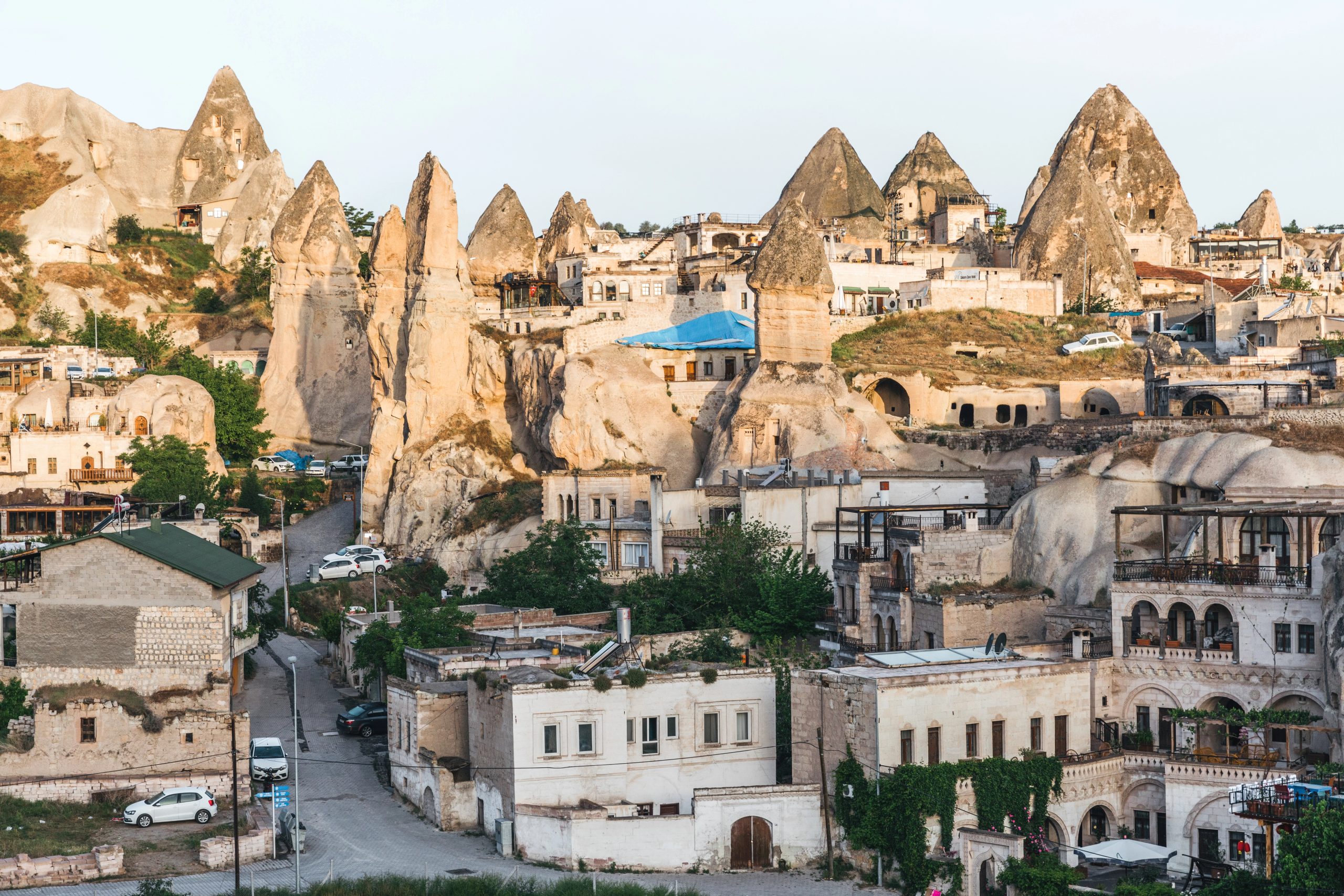
Once the heartland of powerful empires—the Hittite, Greek, Roman, Byzantine, and Ottoman—Turkey’s layered past remains visible everywhere. The Greco-Roman ruins of Ephesus, the solemn landscapes of Gallipoli, the fairy chimneys of Göreme, and the monumental mosques of Istanbul form an open-air archive of civilizations. Sites such as Troy, the travertine terraces of Pamukkale, and the spiritual centers of Konya and Mount Ararat add further depth for travelers drawn to history, faith, and myth.
While Islam is the predominant religion, Turkey holds a long tradition of religious coexistence, reflected in its Christian and Jewish heritage sites, particularly in Istanbul and parts of southeastern Anatolia. Modern Turkish identity carries a strong sense of national pride, shaped by the reforms of Mustafa Kemal Atatürk, founder of the Republic in 1923, whose legacy emphasized secularism, education, and women’s rights.
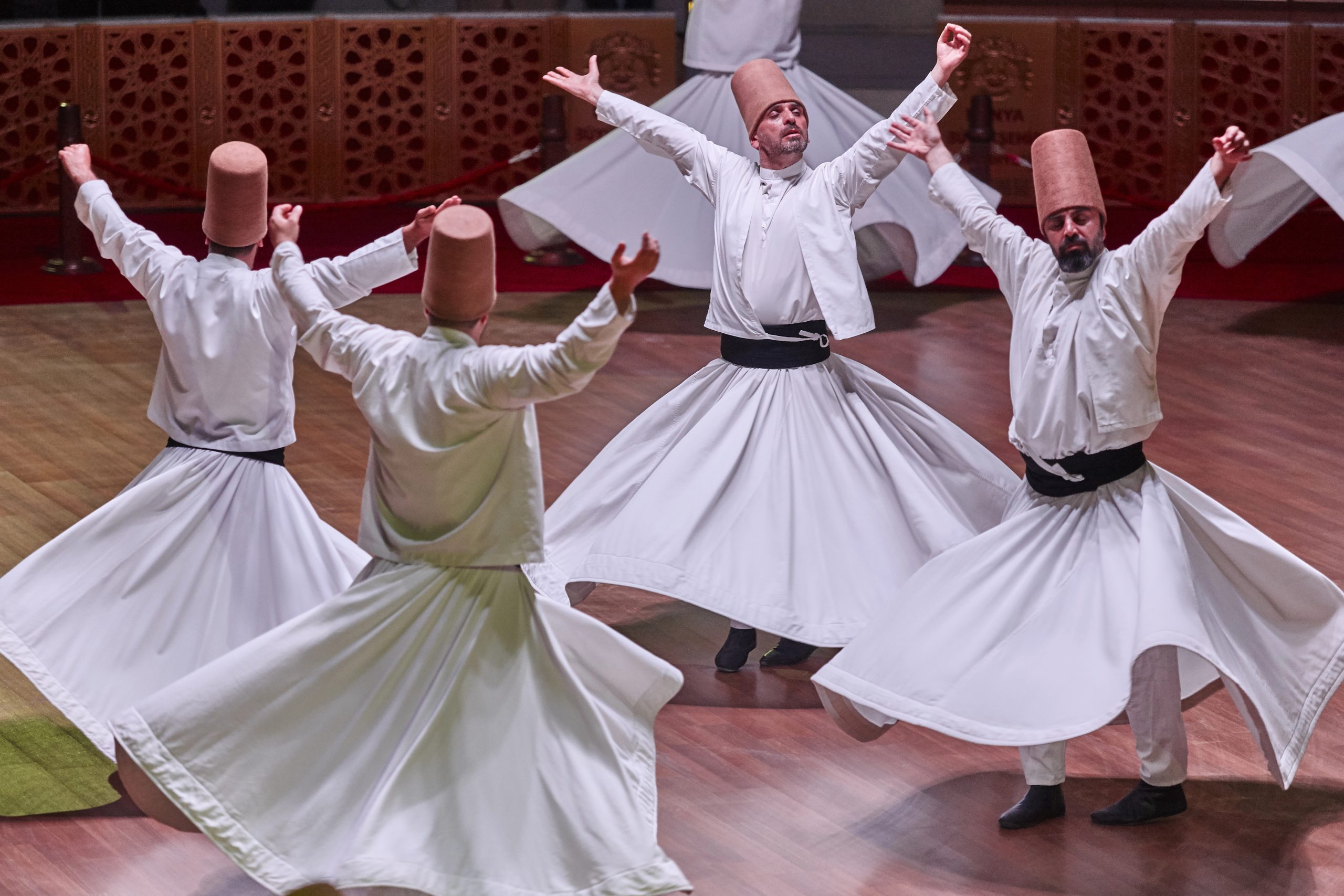
From the high plateaus of Anatolia to the clear waters of the Turquoise Coast, daily life is animated by hospitality and ritual. Folk dances, poetic traditions, and artisan crafts preserve ancestral knowledge, while contemporary art, fashion, and cinema signal a society engaged with the present.
Turkish cuisine reflects this cultural richness. Shared dishes such as kebabs, mezes, börek, dolma, and baklava anchor meals built around conversation and generosity, accompanied by glasses of çay (tea), ayran, or a measured sip of raki. Markets overflow with spices, olives, cheeses, and sweets, while regional cooking ranges from Aegean seafood to the hearty stews of eastern Anatolia.
With climates spanning Mediterranean warmth and snow-covered mountains, Turkey invites exploration throughout the year. Spring and autumn offer particularly favorable conditions, whether wandering ancient ruins, hiking in the Kaçkar Mountains, or lingering in a hammam before sunset over the Bosphorus.
Floating above Cappadocia by balloon, sailing the Aegean on a wooden gulet, settling into a stone-carved boutique hotel, or sharing a meal in a mountain village, visitors encounter a country where empires leave echoes, cultures overlap, and every landscape carries a story waiting to be read.
Country Facts
OFFICIAL NAME: Republic of Turkey
CAPITAL CITY: Ankara
GOVERNMENT: Presidential Republic
PRESIDENT: Recep Tayyip Erdoğan (as of 2025)
GEOGRAPHIC LOCATION: Transcontinental country spanning southeastern Europe and western Asia; bordered by Greece and Bulgaria (northwest), Georgia (northeast), Armenia, Azerbaijan (Nakhchivan), and Iran (east), and Iraq and Syria (southeast)
GEOGRAPHY: Diverse landscape featuring coastal plains, high central plateaus (Anatolia), major mountain ranges (Taurus, Pontic, Kaçkar), valleys, and volcanoes; significant seismic activity
BODIES OF WATER: Aegean Sea, Mediterranean Sea, Black Sea, Sea of Marmara, Bosphorus Strait, Dardanelles, Lake Van
POPULATION: Approximately 85 million
AREA: 783,562 sq km / 302,535 sq miles (slightly larger than Texas)
COASTLINE: Over 8,000 km / 5,000 miles
LANGUAGES: Turkish (official); minority languages include Kurdish, Arabic, Zaza, Laz, and others
ETHNICITY: Predominantly Turkish; large Kurdish population; minorities include Arabs, Laz, Circassians, Armenians, Greeks, and others
RELIGION: Predominantly Muslim (Sunni majority with Alevi minority); officially secular; small Christian and Jewish communities
LITERACY RATE: Approximately 97%
UNEMPLOYMENT RATE: As of 2025, around 9.5% (varies by region and year)
CURRENCY: Turkish Lira (TRY)
ANNUAL GDP PER CAPITA: Approximately $10,600 USD (as of 2025; may vary)
ARABLE LAND: Around 33%
IRRIGATED ARABLE LAND: Concentrated mainly in the southeast and along the Aegean and Mediterranean coasts
FORESTS: About 28% of the land area
AGRICULTURE: Wheat, barley, cotton, olives, tea, tobacco, hazelnuts, citrus fruits, figs, grapes, pomegranates
NATURAL RESOURCES: Coal, iron ore, copper, chromium, boron, mercury, gold, marble, geothermal energy
INDUSTRIES: Textiles and apparel, automotive, electronics, construction, tourism, agriculture, steel, chemicals, mining
NUMBER OF TOURISTS (2024): Approximately 56 million visitors (figures may vary due to global and regional conditions)
LARGEST CITIES: Istanbul, Ankara, Izmir, Bursa, Antalya, Adana, Gaziantep, Konya
TIME ZONE: Turkey Time (TRT), GMT+3 (year-round; no daylight saving time)
TELEPHONE COUNTRY CODE: +90
CLIMATE:
Mediterranean along the Aegean and southern coasts (hot, dry summers; mild, wet winters)
Oceanic along the Black Sea coast (humid and rainy year-round)
Continental in Central Anatolia (hot summers, cold winters)
HOTTEST CITY: Şanlıurfa (Southeastern Anatolia)
COLDEST CITY: Erzurum (Eastern Anatolia)
BEST TIMES TO VISIT: Spring (April–June) and autumn (September–October)
TURKISH PEOPLE: Known for their hospitality, warmth, and pride in cultural heritage. Strong family values, generosity, and community ties shape daily life, blending modern influences with long-standing traditions. Turkish culture is especially celebrated for its cuisine, storytelling, and deep sense of national identity.
Geography
Stretching across two continents, Turkey is a land of striking contrasts and remarkable beauty. Covering approximately 783,562 square kilometers (302,535 square miles), it bridges Europe and Asia, with the Bosphorus Strait marking the boundary between the two. Its geography is remarkably diverse, where soaring mountain ranges give way to fertile valleys, rugged coastlines, and surreal geological formations.
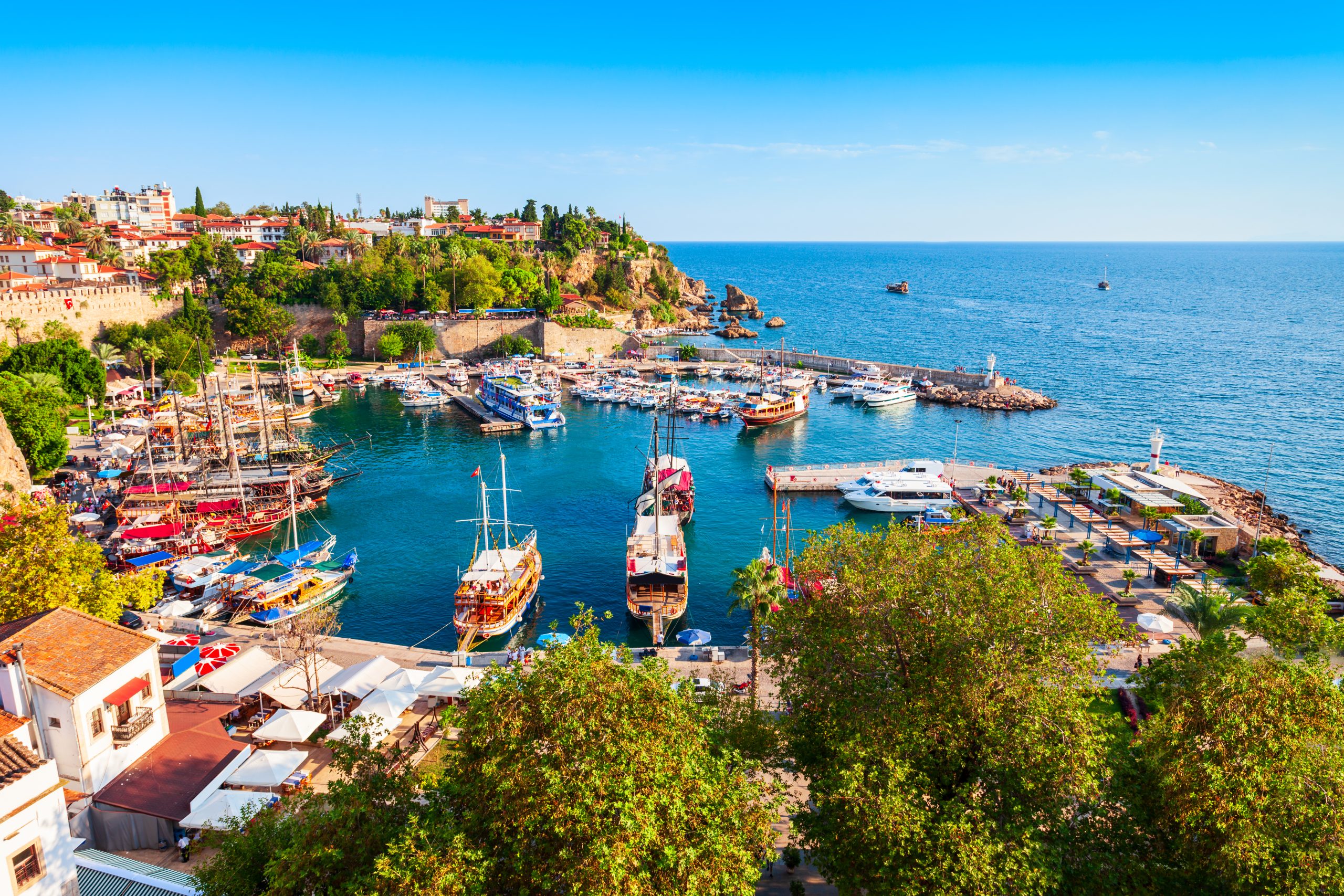
Along the western and southern edges, the Aegean and Mediterranean coasts reveal turquoise waters, pine-covered hills, and ancient ruins scattered across sunlit beaches. In the north, the Black Sea region is lush and verdant, receiving the highest rainfall in the country. Tea plantations and hazelnut groves cling to steep, misty slopes. Central Anatolia, a vast high plateau, is defined by golden steppes and volcanic landscapes, including the whimsical fairy chimneys of Cappadocia. Eastern Turkey is mountainous and remote, marked by dramatic peaks, glacial lakes, and the legendary Mount Ararat.
The country is also home to Lake Van, Turkey’s largest lake, and the otherworldly terraces of Pamukkale, where white travertine pools cascade down the hillside. Major rivers such as the Euphrates and Tigris rise in the Anatolian highlands before flowing toward Mesopotamia. Despite its scale, Turkey offers an extraordinary range of landscapes, from snowy ski resorts to sun-soaked coastal towns.
Turkey’s climate varies significantly by region. The Aegean and Mediterranean coasts enjoy a classic Mediterranean climate, with hot, dry summers and mild winters. The Black Sea coast is humid and temperate, while Central and Eastern Anatolia experience a continental climate, with hot summers and cold, snowy winters. The best times to visit are spring (April–June) and autumn (September–October), when the weather is mild and ideal for cultural exploration or outdoor activities.
Money & Shopping
Traveling in Turkey is convenient when it comes to managing money. The local currency is the Turkish Lira (TRY). In major cities such as Istanbul, Ankara, and Izmir, ATMs are widespread and accept most international cards. Credit and debit cards are commonly accepted in hotels, restaurants, and stores, though smaller towns, bazaars, and rural areas often operate on a cash basis.
It’s a good idea to carry small denominations for public transportation, tipping, and shopping in local markets. Currency exchange is available at airports, banks, exchange offices (döviz), and major hotels. Avoid exchanging money on the street to prevent scams.
Tipping is customary in Turkey. In cafés and casual eateries, rounding up or leaving 5–10% is appreciated. In more formal settings, or for guides and drivers, 10–15% is the norm if no service charge is included.
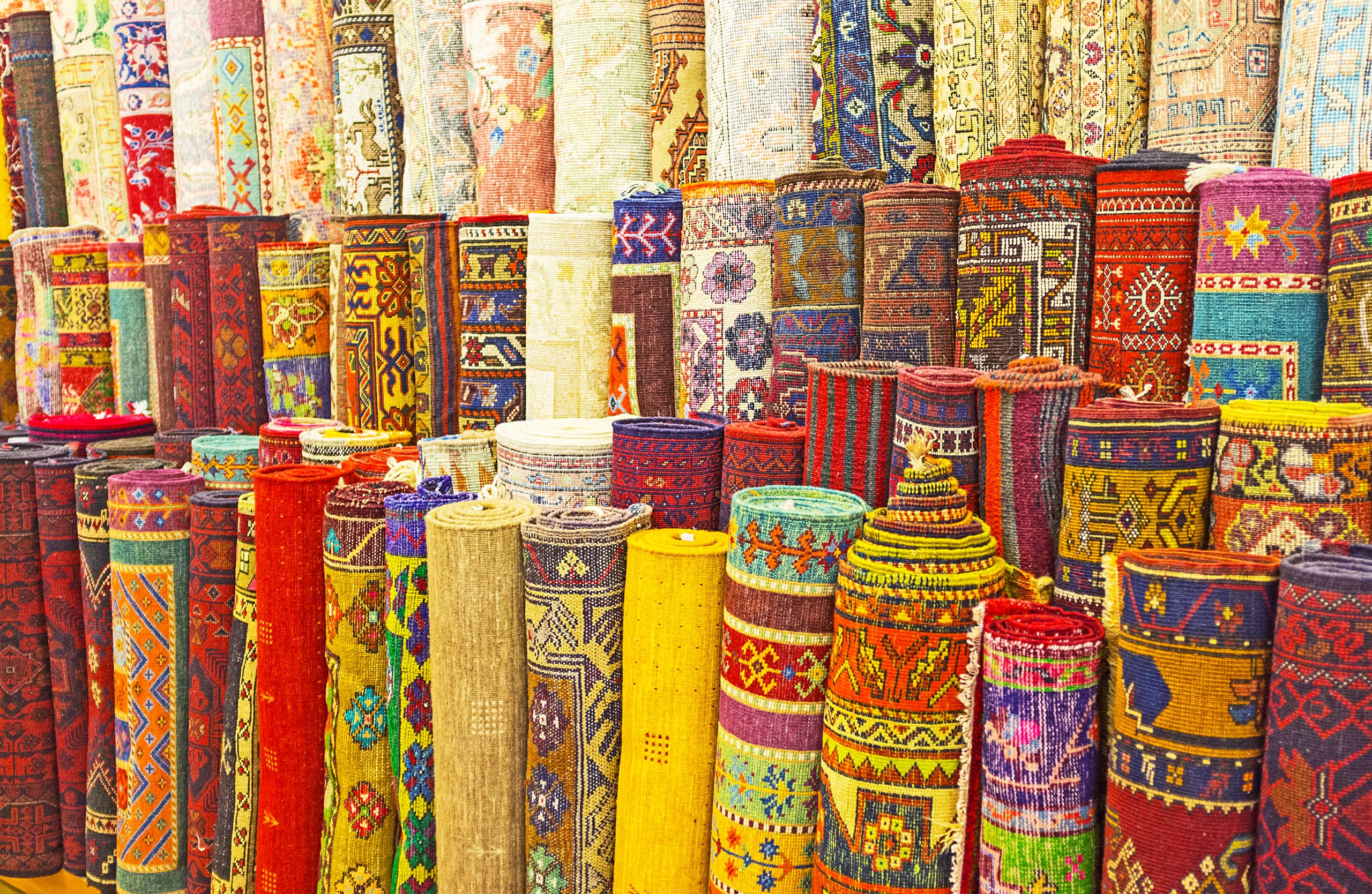
Haggling is expected in bazaars and souvenir shops—it’s part of the experience and should be done with friendliness and humor. The Grand Bazaar in Istanbul, Kemeraltı in Izmir, and local village markets offer everything from handwoven carpets and silk scarves to copperware and aromatic spices.
While mobile payments are becoming more popular in urban areas, they are not yet universal. Traveler’s checks are rarely used, so it’s best to rely on cash and cards. For thoughtful souvenirs, look for Iznik ceramics, Turkish delight, olive oil soaps, saffron, hand-painted tiles, or artisan jewelry.
Internet, Phone, Post, and Health
Staying connected in Turkey is generally easy and affordable. Wi-Fi is readily available in hotels, cafés, and restaurants, particularly in cities and tourist towns. In more remote areas or during long overland trips, connections may be less reliable.
To avoid roaming charges, most visitors opt for a Turkish SIM card. Providers like Turkcell, Vodafone, and Türk Telekom offer tourist-friendly prepaid packages with data and local calls. SIM cards can be purchased at the airport or in major shops with a passport. eSIMs are also supported by some carriers.
Turkey’s country code is +90, and the electrical voltage is 230V, using European-style plugs with two round prongs. Bring an adapter if your plugs are different.
Post offices (PTT) are present in all cities and most towns. They are reliable for sending letters and postcards, perfect for mailing memories from Cappadocia or the Aegean coast. For faster international delivery, private couriers such as DHL, UPS, and Aras Kargo are widely available.
Healthcare in Turkey is modern and accessible, particularly in large cities. Hospitals in Istanbul, Ankara, and Izmir often have English-speaking staff and departments dedicated to international patients. Emergency services can be reached by dialing 112. Travel insurance with health coverage is strongly recommended.
Pharmacies (eczane) are easy to recognize by their red “E” signs and can be found in every neighborhood. Pharmacists are helpful, and many speak English. Over-the-counter medication is available for most common ailments, though prescription medicine should be brought in its original packaging, along with a doctor’s note if required for customs.
If you like reading stellar travel articles, explore our journal for even more great expert information!
Turkey Tour Information
At Journey Beyond Travel, we get lots of questions all the time about Turkey. We try to keep this list updated so that you can get an understanding about how we run our Turkey tours. We are different from a lot of other tour operators and pride ourselves on our dedicated staff and deep knowledge of the country. Find out how you can customize your tour for a bespoke experience tailored to your travel needs. Read through these common questions we get as our answers may help you decide if we are the best tour operator for you!
Please reach out and send us an email if you have any questions at all!
What kinds of tours are available?
Coastal tours, cultural heritage trips, mountain adventures, wine routes, and active tours (hiking, rafting, skiing)
What transportation options are available?
Buses connect most towns, but renting a car is ideal for exploring off-the-beaten-path spots. Roads are improving, but mountain routes can be challenging.
Is Turkey safe?
Yes, it’s considered very safe for travelers with low crime rates. Use common travel sense.
Do I need a visa?
Citizens of the EU, UK, USA, Canada, and many others can enter visa-free for up to 90 days. Always check up-to-date requirements before traveling.
Is tipping expected?
Appreciated but not mandatory. 5–10% is standard in restaurants or for good service.
Best time to visit?
- For beaches and coastal cities: May–September
- For hiking: May–October
- For skiing: December–March
Can I drink tap water?
Yes, the water is generally safe and clean, especially in the mountains.
JBT World Collection Testimonials
Read what our clients are saying about our tours. We work endlessly to ensure that those who travel with our team have an unparalleled experience. Take a look at the reviews of our private trips. And, if you’d like to talk to one of our past travelers, just let us know!
“Our Spain journey with JBT was even better than we imagined, the perfect complement to our Morocco adventure. From seamless planning in Madrid to Andalusia’s beauty, every detail was cared for. We adored our city guides, and our driver Jebril welcomed us into his home for a delicious couscous meal — a memory we’ll treasure forever. The special touches from Amina and Lucas, from homemade gifts to sharing lunch together, made us feel like family. Truly, it was one of the best trips of our lives, and we can’t wait to explore more of the world with JBT!”
The Durants
“Our Italy trip with JBT was absolutely unforgettable. From the moment Alexei crafted our detailed, personalized itinerary — even pulling off a last-minute hot air balloon ride for my niece — we knew we were in the best hands. Each day was filled with extraordinary experiences, from private tours of Rome and Florence’s greatest treasures to a pasta-making class and a Chianti winery lunch. Our guides were exceptional, our hotels perfectly located and welcoming, and every driver and detail seamless. JBT once again exceeded my expectations, and I wouldn’t hesitate to turn to them for future adventures anywhere in the world!”
Judy F.
“Our Japan adventure with JBT was nothing short of epic! The itinerary was so thoughtfully designed — from a serene start in Hakone to the journey through ancient traditions and modern wonders — and the variety of lodging, from ryokans to a Kyoto townhouse to a glamping tent, made it truly unforgettable. The train instructions were flawless, and having Yuka as our guide and new friend was a gift. After two incredible journeys with JBT, we can honestly say you are the best!”
Kelley and Steve

Proud Members of ATTA

Eco-Tourism Provider