
Godfrid Ndunguru - Your Local Tanzania Expert

Some of our Favorite Tanzania Tours
We’ve got some great Tanzania tours we’ve developed over the years. These are some of our favorites. And, while many tour operators have similar routes, it’s really the inner-workings and attention to detail that truly matter and make our Tanzania tours stand out.
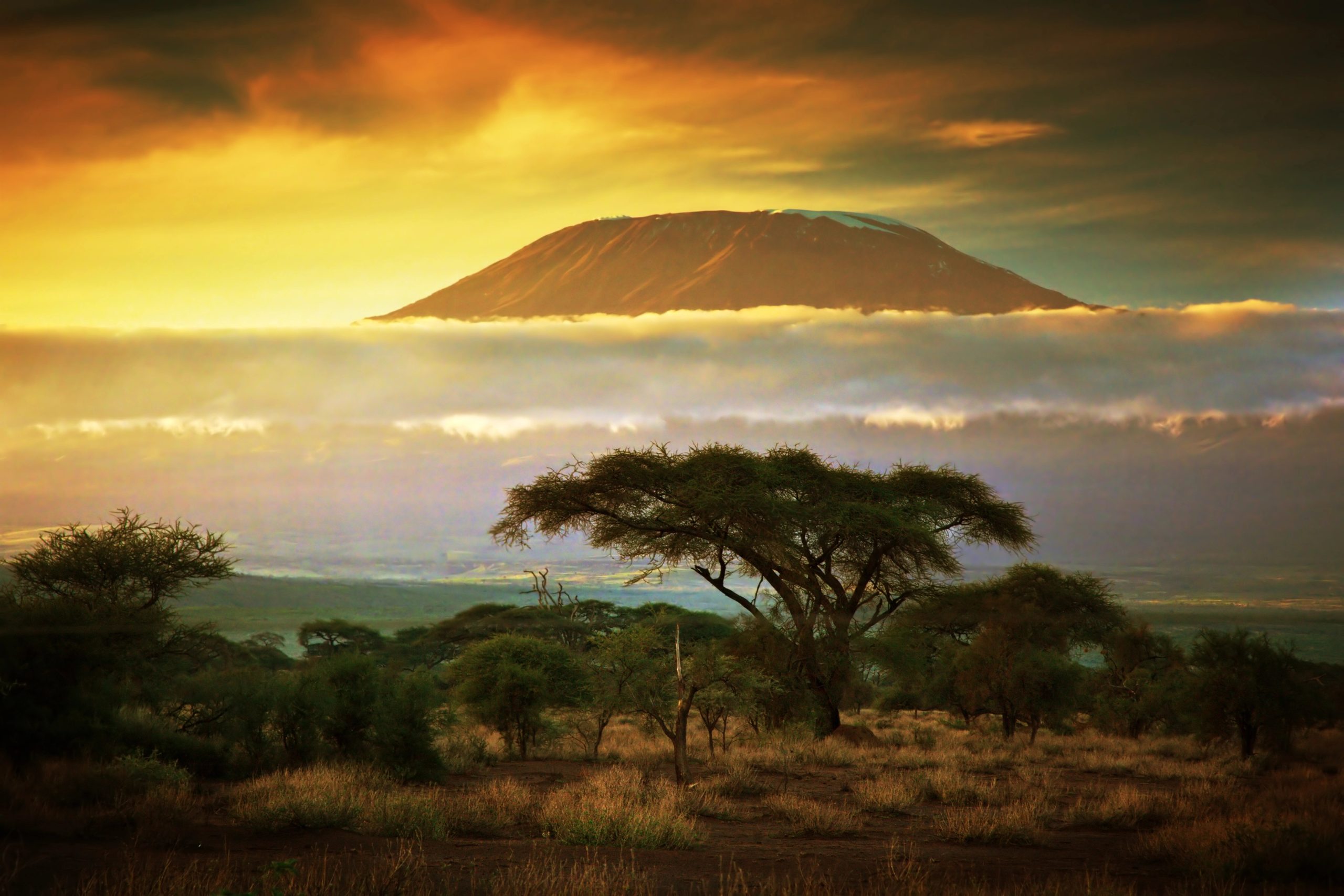
The Best Of Tanzania
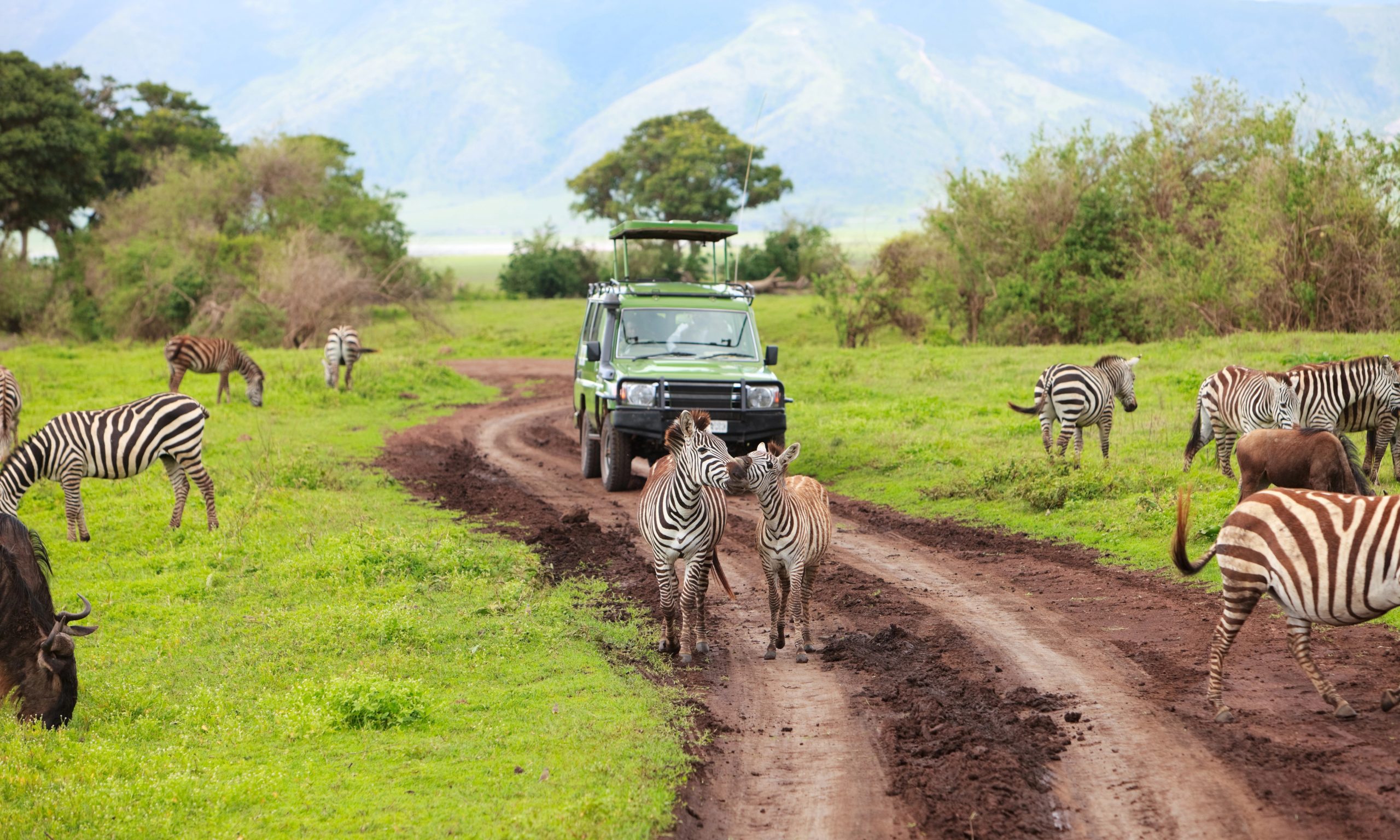
Eclectic Tanzania
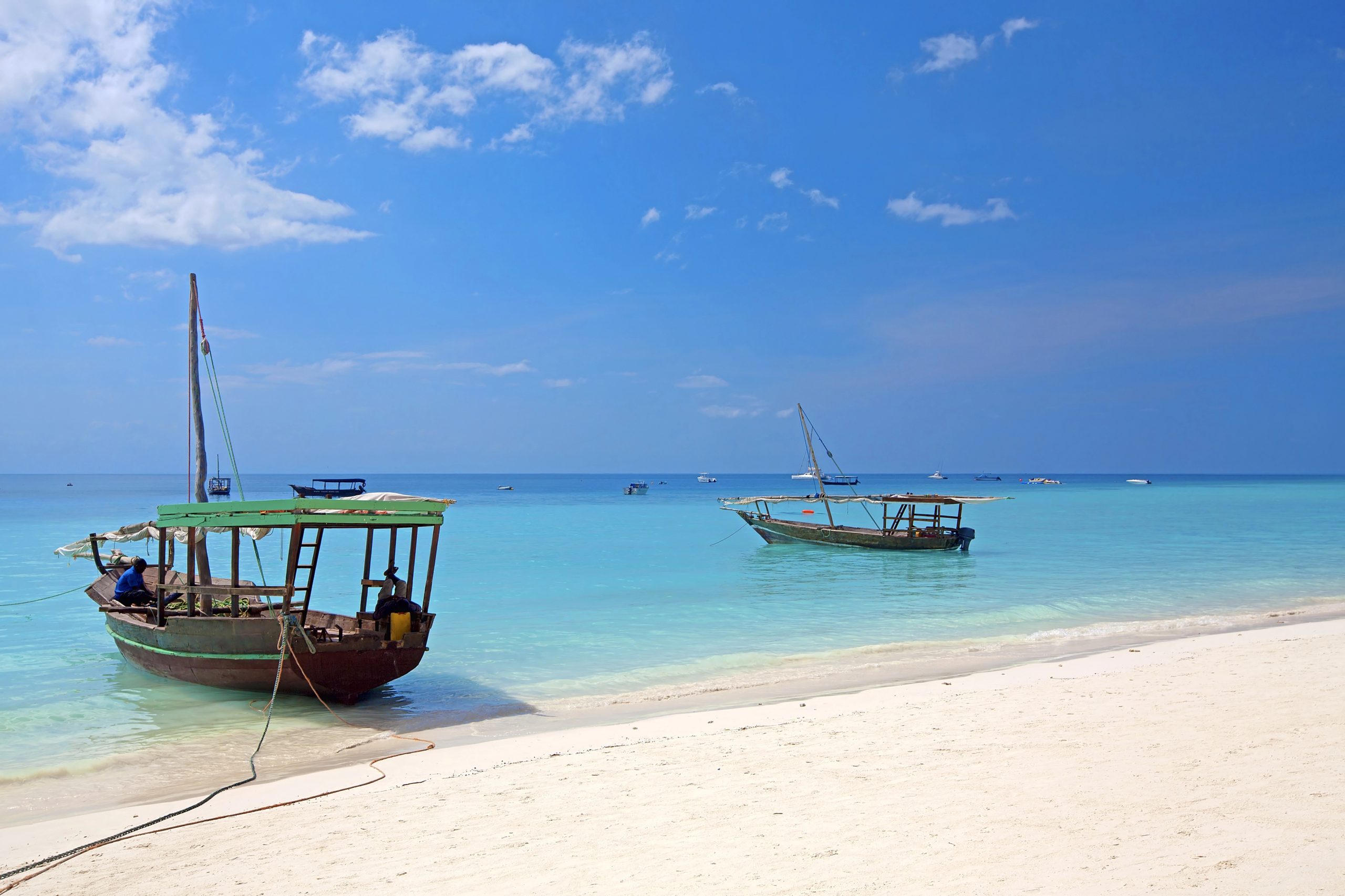
Zanzibar: Island Of Spices & Stories
Tanzania Travel Information
We hope that as you prepare for your personalized Tanzania tour that you’ll be able to use our website as a handy reference. We’ve got all sorts of information to share here with you about Tanzania! Enjoy learning and feel free to check out our blog for more information, articles, and videos to help you prepare for your travels through Tanzania. This information, among other details, will be sent to you in a packet before your Tanzania vacation begins.
Introduction to Tanzania
Introduction to Tanzania
Tanzania is a presidential republic with a democratic system of government. The country is led by President Samia Suluhu Hassan, who assumed office in 2021. The presidency functions as both head of state and head of government, overseeing the executive branch alongside a national assembly and judiciary.
Modern Tanzania was formed in 1964 through the union of Tanganyika and Zanzibar, creating a country that reflects both mainland and island identities. Today, it is one of East Africa’s most politically stable nations and plays an important role in regional cooperation and conservation efforts.
The country’s identity is shaped by its cultural and geographic diversity. More than 120 ethnic groups live within Tanzania’s borders, each contributing distinct traditions, languages, and histories. Despite this diversity, Swahili language serves as a unifying national language, while English is widely used in government, business, and tourism.
Tanzanian society blends tradition with a strong sense of national cohesion. In cities such as Dar es Salaam, daily life feels energetic and fast-moving, with growing infrastructure and a dynamic cultural scene. In rural areas, life often follows rhythms shaped by agriculture, pastoralism, and long-standing community structures.
Hospitality is deeply embedded in Tanzanian culture. Visitors often encounter a quiet warmth and openness, expressed through respectful greetings, conversation, and a strong sense of community. Religion also plays a visible role in daily life, with Christianity and Islam representing the majority of religious practice, alongside enduring local traditions.
Tanzania’s global reputation is closely tied to its extraordinary natural heritage. The country is home to some of Africa’s most iconic protected landscapes, including Serengeti National Park and Ngorongoro Conservation Area, where vast wildlife populations move across open ecosystems largely unchanged for centuries.
The annual Great Migration, which moves between Tanzania and Kenya, remains one of the most significant wildlife events on Earth. Conservation plays a central role in the country’s identity, with national parks, conservation areas, and community-managed lands working together to protect biodiversity.
Country Facts
Official Name: United Republic of Tanzania
Capital: Dodoma (official), Dar es Salaam (economic center)
Government: Presidential Republic
President: Samia Suluhu Hassan
Geographic Location: East Africa; bordered by Kenya, Uganda, Rwanda, Burundi, Zambia, Malawi, Mozambique, and the Indian Ocean
Geography: Savannah plains, volcanic highlands, mountains, forests, lakes, and tropical coastline
Bodies of Water: Indian Ocean, Lake Victoria, Lake Tanganyika, Lake Malawi
Population: ~65 million
Area: 947,303 sq km / 365,756 sq miles
Coastline: ~1,400 km / 870 miles
Languages: Swahili, English, plus numerous indigenous languages
Ethnic Groups: Sukuma, Chagga, Haya, Nyamwezi, Maasai, and many others
Religion: Christian (~60%), Muslim (~35%), Traditional beliefs and others
Literacy Rate: ~78%
Currency: Tanzanian Shilling (TZS)
Major Exports: Gold, coffee, cashew nuts, tobacco, tourism
Natural Resources: Gold, diamonds, natural gas, wildlife
Industries: Tourism, agriculture, mining, energy
Largest Cities: Dar es Salaam (~6m), Mwanza, Arusha
Time Zone: GMT+3
Country Code: +255
Climate Overview
– Northern safari regions (Serengeti, Ngorongoro): warm days, cooler nights
– Central regions (Dodoma): hot and semi-arid
– Coastal regions (Dar es Salaam, Zanzibar): tropical, warm, and humid year-round
– Highlands (Arusha, Kilimanjaro): cooler and more temperate
Average daytime temperatures:
– Highlands: 15–25°C / 59–77°F
– Savannah: 20–30°C / 68–86°F
– Coast: 25–32°C / 77–90°F
Best Times to Visit: June–October (dry season) and January–February
Geography
Tanzania sits just south of the equator in East Africa, and its landscapes are among the most varied on the continent. Within a single country, travelers encounter vast savannah plains, volcanic highlands, deep freshwater lakes, and tropical coastline.
The Great Rift Valley cuts through northern Tanzania, shaping dramatic escarpments and fertile ecosystems that support both wildlife and agriculture. Several lakes formed by this geological process play an important ecological role and attract large concentrations of birdlife.
To the north, the landscape is dominated by some of Africa’s most iconic natural features. Mount Kilimanjaro rises to 5,895 meters, making it the highest mountain in Africa, while nearby conservation areas protect some of the densest wildlife populations on the continent.
Further west, vast plains stretch across the Serengeti ecosystem, where seasonal wildlife movements define the landscape. In contrast, the southern and western regions of Tanzania remain more remote and less visited, offering quieter, less-developed wilderness areas.
Along the eastern edge of the country, the Indian Ocean coastline introduces an entirely different environment. Coral reefs, mangrove forests, and white-sand beaches define the coast, while historic islands such as Zanzibar reflect centuries of trade across the Swahili Coast, shaped by African, Arab, Persian, and Indian influences.
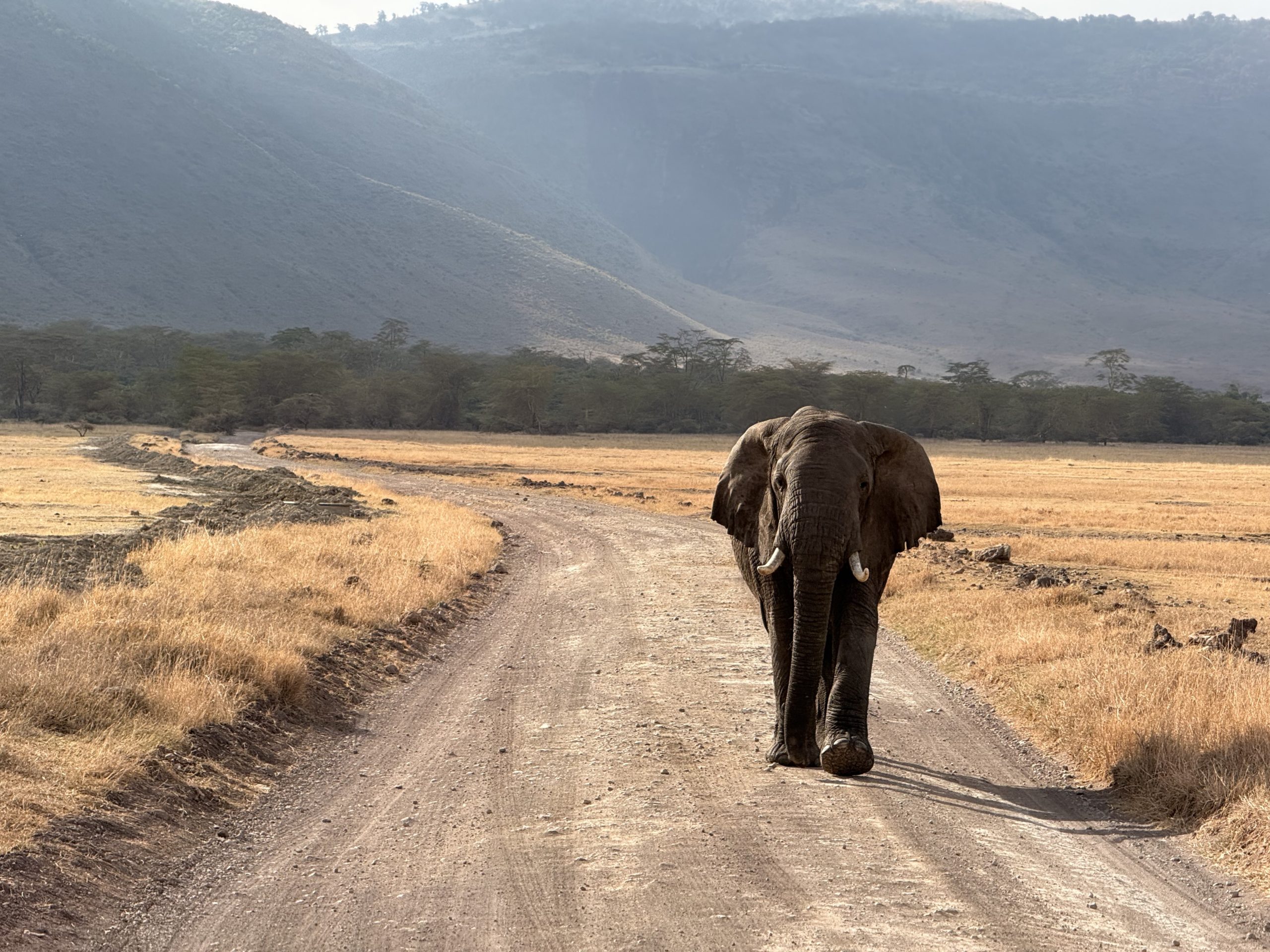
Tanzania protects a significant portion of its land through national parks and conservation areas, supporting some of the most important wildlife populations in the world, including elephants, lions, rhinos, giraffes, and a wide range of bird species.
Money & Shopping
Internet, Phone, Post, and Health
If you like reading stellar travel articles, explore our journal for even more great expert information!

Tanzania Tour Information
At Journey Beyond Travel, we get lots of questions all the time about Tanzania. We try to keep this list updated so that you can get an understanding about how we run our Tanzania tours. We are different from a lot of other tour operators and pride ourselves on our dedicated staff and deep knowledge of the country. Find out how you can customize your tour for a bespoke experience tailored to your travel needs. Read through these common questions we get as our answers may help you decide if we are the best tour operator for you!
Please reach out and send us an email if you have any questions at all!
What kinds of tours are available?
At Journey Beyond Travel, we design private, fully customized journeys through Tanzania. Each itinerary is shaped around your schedule, interests, and travel style. Some travelers are drawn to classic wildlife safaris. Others are interested in conservation experiences, cultural encounters, time in more remote southern parks, or a slower rhythm along the Indian Ocean coast or Zanzibar.
Most travelers are looking for a thoughtful balance — iconic wildlife landscapes alongside places that feel quieter and less visited.
We build that balance carefully.
There is time in the bush with expert safari guides who understand how to read the landscape and track wildlife. There is also space to simply observe — long game drives, quiet hours at camp, and evenings shaped by the natural rhythm of the environment.
We layer in distinctive lodges, meaningful cultural interactions, and moments of stillness between the highlights. The result is structured, but never rigid. Curated, but never over-programmed.
What transportation options are available?
Tanzania’s safari regions are spread across a vast and varied landscape, so travel typically combines multiple forms of transportation.
In cities such as Arusha and Dar es Salaam, private vehicles and drivers manage transfers and day touring. For longer distances between safari regions, travelers often take small bush flights, which connect major parks efficiently while offering a striking aerial perspective of the terrain.
Once inside a safari area, most exploration takes place in specialized 4×4 safari vehicles with experienced local guides. These vehicles are designed for wildlife viewing, with open sides or pop-up roofs that allow clear visibility across the landscape.
In more remote areas, particularly in southern Tanzania, experiences may include walking safaris led by trained guides and armed rangers, offering a closer and more detailed understanding of the ecosystem.
Throughout the journey, we arrange transfers, coordinate internal flights, and provide clear guidance so that logistics feel seamless.
How do travelers move between safari destinations in Tanzania?
Distances between Tanzania’s key safari regions can be significant. Traveling entirely by road is possible but often involves long journeys across varied terrain.
For this reason, many travelers combine scheduled bush flights with shorter overland transfers. Flights typically operate from hubs such as Arusha or Dar es Salaam, connecting directly to airstrips near safari camps.
Flying reduces travel time while offering a broader perspective of the country’s landscapes — from highlands and volcanic formations to vast savannah plains.
For certain routes, especially within northern Tanzania, transfers may also be done by private safari vehicle, allowing for wildlife viewing along the way.
We select the right combination of flights and overland travel to keep the journey comfortable while still allowing the landscape itself to remain part of the experience.
Do you offer group tours of Tanzania?
We do not organize group tours. Our focus is on private journeys designed specifically around each traveler.
Solo travelers are very welcome. Safari camps often have a relaxed, social atmosphere, and many travelers naturally connect during shared meals or activities.
If appropriate, we may introduce travelers who are open to sharing part of a journey, such as a safari vehicle or internal flight. In most cases, however, traveling independently in Tanzania works seamlessly.
One practical consideration: safari travel involves private guides, vehicles, and small camps, so traveling solo can sometimes be slightly more expensive. We discuss options clearly and plan accordingly.
Is Tanzania a safe country to visit?
Tanzania is generally safe for travelers visiting established safari destinations and coastal regions.
National parks and conservation areas are well-managed, with experienced guides and professional camp staff. Travel between locations is typically arranged through private transfers or scheduled flights, and tourism infrastructure is accustomed to international visitors.
As with travel anywhere, general awareness is important. In cities, avoid walking alone late at night, keep valuables secure, and follow local guidance.
Within safari areas, guides provide clear safety instructions around wildlife. These are straightforward and important to follow.
Emergency numbers in Tanzania:
Police: 112
Ambulance: 114
Fire: 115
For international travelers, your embassy or consulate can provide assistance if needed.
Do I need a visa to enter Tanzania?
Most travelers require a visa to enter Tanzania. This can often be obtained in advance through an online e-visa system or on arrival, depending on nationality.
Requirements vary, so it is important to confirm details before departure. Your passport should typically be valid for at least six months beyond your entry date, and you may be asked to show proof of onward travel.
Should I exchange money before arriving in Tanzania?
The Tanzanian shilling is the local currency, though US dollars are widely accepted within the tourism industry, particularly at safari lodges and camps.
ATMs are available in major cities such as Arusha and Dar es Salaam, though access becomes limited in remote safari regions. For this reason, many travelers withdraw cash before leaving urban areas or arrive with some US dollars.
Credit cards are accepted at many lodges and higher-end hotels, though smaller purchases in rural areas typically require cash.
When is the best time to visit Tanzania?
Tanzania is rewarding year-round, though certain periods are especially popular.
The dry seasons — roughly from June through October and January through February — are typically considered the best for wildlife viewing. During these months, vegetation is thinner and animals gather more predictably around water sources.
The Great Migration moves through different parts of Serengeti National Park across the year. River crossings in the northern Serengeti, near the Kenya border, are most likely between July and October, while calving season in the southern plains usually occurs between January and March.
Quieter travel periods include November and March through May, when short or long rains may occur. These months often bring dramatic skies, fewer visitors, and strong photography conditions.
Each season offers a different perspective on the landscape.
What is the weather like in Tanzania?
Tanzania’s climate varies depending on elevation and region.
Arusha and the northern highlands experience relatively mild temperatures year-round, generally ranging between 15–25°C (59–77°F).
Safari regions such as the Serengeti tend to be warm during the day and cooler at night, especially in the dry season.
Southern and western parks can be hotter, while the Indian Ocean coast and islands such as Zanzibar remain warm and humid throughout the year.
Tanzania experiences two rainy periods:
Short rains: November to early December
Long rains: March through May
Rain typically falls in short, intense bursts rather than continuous storms.
Is tipping expected during a safari in Tanzania?
Yes, tipping is customary within Tanzania’s safari industry.
Most camps provide general guidelines, which usually include small daily tips for guides, trackers, and camp staff. Tips are typically given in US dollars or Tanzanian shillings at the end of a stay.
Tipping is appreciated but remains voluntary.
Do I need travel insurance for my Tanzania trip?
Yes.
We strongly recommend comprehensive travel insurance that includes trip cancellation, interruption, and medical coverage.
Medical evacuation coverage is particularly important when traveling to remote safari regions. Once your trip is confirmed, we can suggest providers that previous travelers have used and trusted.
When is the best time to see wildlife and the Great Migration?
Wildlife can be seen throughout the year in Tanzania, but the Great Migration is one of the country’s most remarkable natural events.
Rather than occurring in a single location, the migration moves across the Serengeti ecosystem throughout the year. Between July and October, herds are often found in the northern Serengeti, where river crossings create some of the most dramatic wildlife encounters.
From January to March, the southern Serengeti becomes a key area for calving season, when thousands of wildebeest are born within a short period, attracting predators and creating a different kind of wildlife experience.
Outside migration periods, the Serengeti still offers exceptional wildlife viewing, including lions, elephants, cheetahs, and large herds of grazing animals.
Other regions such as Tarangire National Park and Ngorongoro Crater provide consistently strong wildlife sightings throughout much of the year.
Where can I find a map of Tanzania and learn more about tourism in the country?
For a clear overview of the country’s geography, Google Maps or similar tools provide a useful starting point when orienting yourself.
You can also explore regional highlights through the Tanzania Tourist Board, which offers information on national parks, conservation areas, and coastal destinations.
These resources help illustrate Tanzania’s major travel regions — from the Serengeti and Ngorongoro to more remote southern parks and the Swahili Coast.
Where can I learn more about traveling in Tanzania?
For a well-rounded introduction, guidebooks such as Bradt Tanzania provide detailed insight into the country’s landscapes, wildlife, and cultures.
Online, Wikipedia offers a broad overview of Tanzania’s geography and history, while UNESCO highlights World Heritage Sites such as the Serengeti and Ngorongoro Conservation Area.
For travel-focused research, the Tanzania Tourist Board website provides practical information and regional inspiration.
At the same time, planning a safari in Tanzania can be complex. Internal flights, seasonal wildlife movements, lodge availability, and the pacing between remote regions all require careful coordination.
If you’re curious what a customized journey through Tanzania might look like, reach out to us. We’re always happy to explore ideas and shape a trip around you.
JBT World Collection Testimonials
Read what our clients are saying about our tours. We work endlessly to ensure that those who travel with our team have an unparalleled experience. Take a look at the reviews of our private trips. And, if you’d like to talk to one of our past travelers, just let us know!
“Our Spain journey with JBT was even better than we imagined, the perfect complement to our Morocco adventure. From seamless planning in Madrid to Andalusia’s beauty, every detail was cared for. We adored our city guides, and our driver Jebril welcomed us into his home for a delicious couscous meal — a memory we’ll treasure forever. The special touches from Amina and Lucas, from homemade gifts to sharing lunch together, made us feel like family. Truly, it was one of the best trips of our lives, and we can’t wait to explore more of the world with JBT!”
The Durants
“Our Italy trip with JBT was absolutely unforgettable. From the moment Alexei crafted our detailed, personalized itinerary — even pulling off a last-minute hot air balloon ride for my niece — we knew we were in the best hands. Each day was filled with extraordinary experiences, from private tours of Rome and Florence’s greatest treasures to a pasta-making class and a Chianti winery lunch. Our guides were exceptional, our hotels perfectly located and welcoming, and every driver and detail seamless. JBT once again exceeded my expectations, and I wouldn’t hesitate to turn to them for future adventures anywhere in the world!”
Judy F.
“Our Japan adventure with JBT was nothing short of epic! The itinerary was so thoughtfully designed — from a serene start in Hakone to the journey through ancient traditions and modern wonders — and the variety of lodging, from ryokans to a Kyoto townhouse to a glamping tent, made it truly unforgettable. The train instructions were flawless, and having Yuka as our guide and new friend was a gift. After two incredible journeys with JBT, we can honestly say you are the best!”
Kelley and Steve

Proud Members of ATTA

Eco-Tourism Provider