
Boris Maguire - Your Local Kenya Expert
Boris Maguire grew up in a family where travel was a way of life, tagging along on his father’s tours across Europe and Latin America. After working in more than twenty countries, he eventually settled in Kenya, where he now lives with his family. Based on the Laikipia plateau, Boris designs thoughtful journeys that connect travelers with Kenya’s landscapes, wildlife, and communities in meaningful, often unexpected ways.

Some of our Favorite Kenya Tours
We’ve got some great Kenya tours we’ve developed over the years. These are some of our favorites. And, while many tour operators have similar routes, it’s really the inner-workings and attention to detail that truly matter and make our Kenya tours stand out.
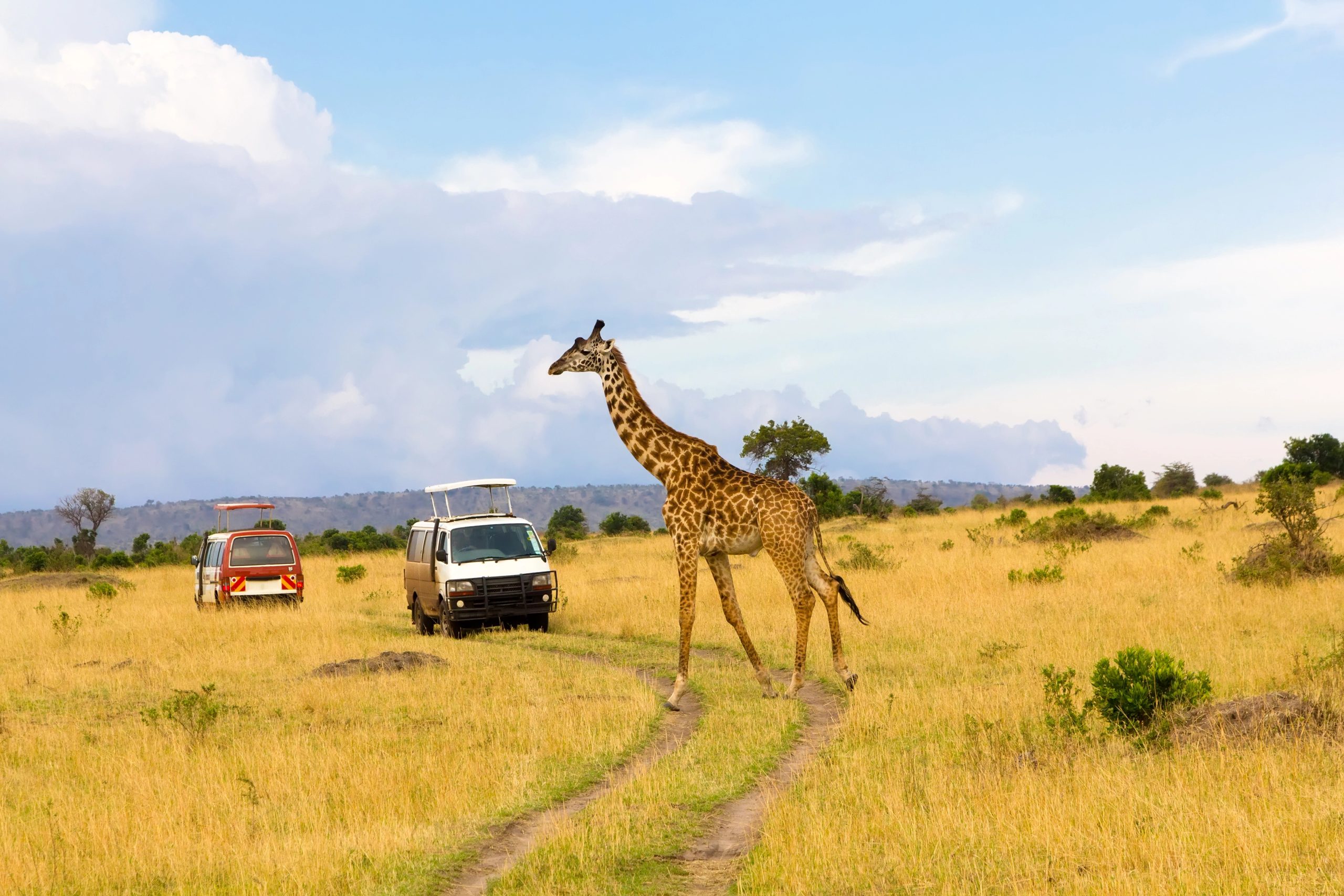
Essencial Kenya
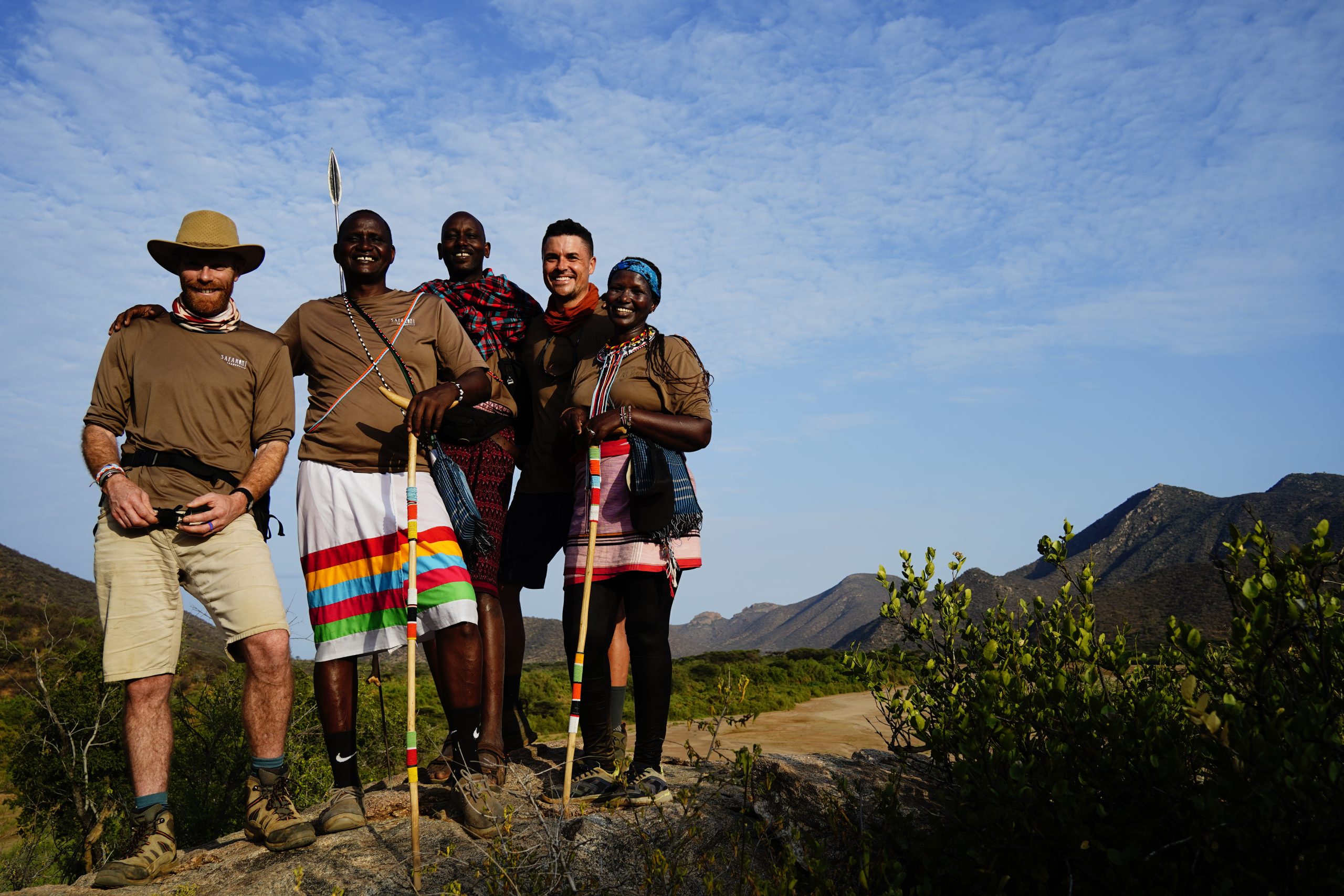
Ultimate Kenya
Kenya Travel Information
We hope that as you prepare for your personalized Kenya tour that you’ll be able to use our website as a handy reference. We’ve got all sorts of information to share here with you about Kenya! Enjoy learning and feel free to check out our blog for more information, articles, and videos to help you prepare for your travels through Kenya. This information, among other details, will be sent to you in a packet before your Kenya vacation begins.
Introduction to Kenya
Straddling two continents and shaped by countless civilizations, Turkey is where East and West converge in a striking blend of history, culture, and natural beauty. From the cosmopolitan energy of Istanbul, where Byzantine churches and Ottoman palaces stand alongside contemporary cafés and bustling bazaars, to the sunlit Aegean coast and the surreal landscapes of Cappadocia, the country offers a journey through both time and terrain.
This transcontinental republic, officially known as the Republic of Turkey, spans southeastern Europe and western Asia, with a cultural and political identity informed by both worlds. Governed as a presidential republic and led by President Recep Tayyip Erdoğan, Turkey is a secular state with a Muslim-majority population, where Islamic traditions coexist with modern lifestyles and evolving social norms.
Turkey borders eight countries: Greece and Bulgaria to the northwest, Georgia to the northeast, Armenia, Azerbaijan’s Nakhchivan exclave, and Iran to the east, and Iraq and Syria to the south. Its coastlines unfold along four seas—the Aegean, Mediterranean, Sea of Marmara, and Black Sea—each shaping regional culture, cuisine, and history in distinct ways.
Once the heartland of powerful empires—the Hittite, Greek, Roman, Byzantine, and Ottoman—Turkey’s layered past remains visible everywhere. The Greco-Roman ruins of Ephesus, the solemn landscapes of Gallipoli, the fairy chimneys of Göreme, and the monumental mosques of Istanbul form an open-air archive of civilizations. Sites such as Troy, the travertine terraces of Pamukkale, and the spiritual centers of Konya and Mount Ararat add further depth for travelers drawn to history, faith, and myth.
While Islam is the predominant religion, Turkey holds a long tradition of religious coexistence, reflected in its Christian and Jewish heritage sites, particularly in Istanbul and parts of southeastern Anatolia. Modern Turkish identity carries a strong sense of national pride, shaped by the reforms of Mustafa Kemal Atatürk, founder of the Republic in 1923, whose legacy emphasized secularism, education, and women’s rights.
From the high plateaus of Anatolia to the clear waters of the Turquoise Coast, daily life is animated by hospitality and ritual. Folk dances, poetic traditions, and artisan crafts preserve ancestral knowledge, while contemporary art, fashion, and cinema signal a society engaged with the present.
Turkish cuisine reflects this cultural richness. Shared dishes such as kebabs, mezes, börek, dolma, and baklava anchor meals built around conversation and generosity, accompanied by glasses of çay (tea), ayran, or a measured sip of raki. Markets overflow with spices, olives, cheeses, and sweets, while regional cooking ranges from Aegean seafood to the hearty stews of eastern Anatolia.
With climates spanning Mediterranean warmth and snow-covered mountains, Turkey invites exploration throughout the year. Spring and autumn offer particularly favorable conditions, whether wandering ancient ruins, hiking in the Kaçkar Mountains, or lingering in a hammam before sunset over the Bosphorus.
Floating above Cappadocia by balloon, sailing the Aegean on a wooden gulet, settling into a stone-carved boutique hotel, or sharing a meal in a mountain village, visitors encounter a country where empires leave echoes, cultures overlap, and every landscape carries a story waiting to be read.
Country Facts
Official Name: Republic of Kenya
Capital: Nairobi
Government: Presidential Republic
President: William Ruto
Geographic Location: East Africa; bordered by Ethiopia, Somalia, South Sudan, Tanzania, Uganda, and the Indian Ocean
Geography: Savannas, deserts, mountains, forests, highland plateaus, lakes, coral coastlines
Bodies of Water: Indian Ocean, Lake Victoria, Lake Turkana, Lake Naivasha, Lake Nakuru
Population: ~55 million
Area: 580,367 sq km / 224,081 sq miles (slightly smaller than Texas)
Coastline: 536 km / 333 miles
Languages: English, Swahili, plus more than 40 indigenous languages
Ethnic Groups: Kikuyu, Luhya, Luo, Kalenjin, Kamba, Maasai, Somali, Meru, Samburu, and others
Religion: Christian (~85%), Muslim (~11%), Traditional beliefs and others
Literacy Rate: ~82%
Currency: Kenyan Shilling (KES)
Major Exports: Tea, coffee, horticulture, tourism, textiles
Natural Resources: Limestone, soda ash, salt, gemstones, wildlife
Industries: Tourism, agriculture, tea and coffee production, horticulture, telecommunications
Tourist Arrivals (2019): 2 million
Largest Cities: Nairobi (4.4m), Mombasa (1.2m), Kisumu (600k), Nakuru (570k)
Time Zone: GMT+3
Country Code: +254
Climate Overview:
– Central Highlands (Nairobi, Mount Kenya): mild and temperate year-round
– Savannah regions (Maasai Mara, Amboseli): warm days, cooler nights
– Northern Kenya (Samburu, Turkana): hot and arid desert climate
– Coastal regions (Mombasa, Lamu): tropical, warm, and humid year-round
Average daytime temperatures:
– Highlands: 18–26°C / 64–79°F
– Savannah: 20–30°C / 68–86°F
– Coast: 24–32°C / 75–90°F
Best Times to Visit: June–October and January–February (dry seasons)
Kenyan People: Warm, community-oriented, resilient, entrepreneurial, proud of cultural heritage.
Geography
Kenya sits along the equator in East Africa, yet its landscapes are surprisingly diverse. Within a single country, travelers encounter vast savannah plains, fertile highlands, volcanic mountains, desert plateaus, freshwater lakes, and tropical coastline.
The country spans roughly 1,000 kilometers from north to south, creating distinct climatic and ecological zones.
At the heart of Kenya lies the Great Rift Valley, a massive geological formation that runs from the Middle East down through East Africa. The valley cuts dramatically through central Kenya, creating escarpments, lakes, and fertile volcanic soils that support both agriculture and wildlife.
Several lakes within the Rift Valley — including Lake Nakuru, Lake Naivasha, and Lake Bogoria — are internationally important bird habitats, particularly for flamingos and pelicans.
To the north, the landscape becomes more arid and rugged. Regions such as Samburu, Turkana, and the Ndoto Mountains are characterized by dry riverbeds, rocky hills, and wide open plains where pastoralist communities have lived for generations.
In contrast, the central highlands surrounding Mount Kenya are lush and fertile. Mount Kenya, the country’s highest peak at 5,199 meters (17,057 ft), is the second-highest mountain in Africa after Kilimanjaro. Its glacial summit and surrounding forests form Mount Kenya National Park, a UNESCO World Heritage Site.
Further south and west, Kenya’s iconic savannah ecosystems dominate the landscape. Grasslands stretch across areas such as the Maasai Mara, where acacia trees dot the plains and vast herds of wildlife move freely through the ecosystem.
Finally, along Kenya’s eastern border lies the Indian Ocean coastline, where coral reefs, mangrove forests, and white-sand beaches form the country’s tropical edge. Historic coastal towns such as Lamu reflect centuries of trade across the Swahili Coast, influenced by African, Arab, Persian, and Indian cultures.
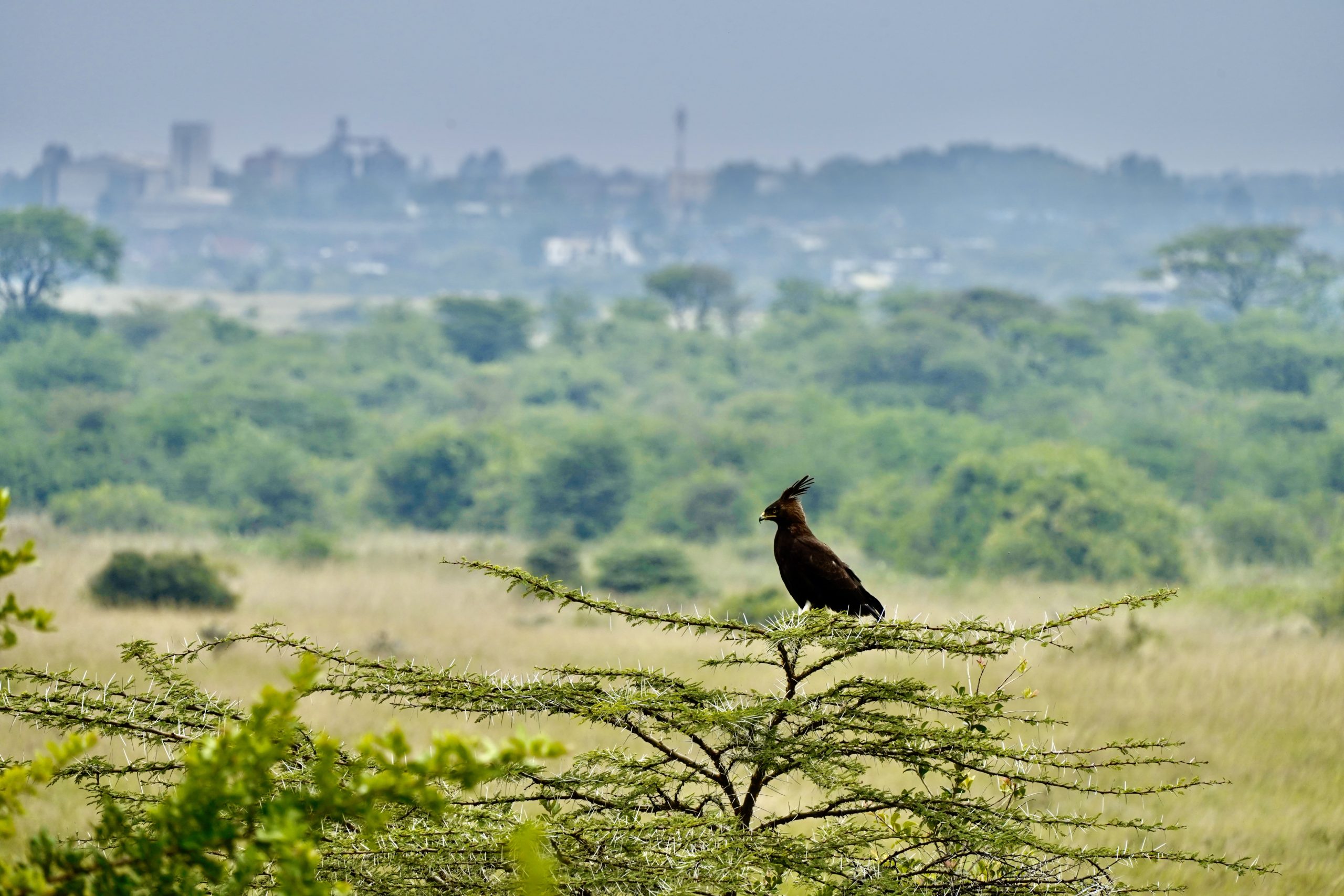
Kenya protects a large portion of its natural heritage through national parks, reserves, and private conservancies. These protected landscapes support some of the most celebrated wildlife populations in Africa, including lions, elephants, rhinos, giraffes, and countless bird species.
Money & Shopping
ATMs are widely available in Nairobi, Mombasa, and other major towns. International bank cards are generally accepted at most machines, though withdrawals may incur small transaction fees depending on your bank.
Before traveling, it is wise to inform your bank that you will be in Kenya to prevent unexpected card blocks.
Outside major urban centers, ATM access becomes limited. Many safari regions and rural areas have no banking infrastructure at all, so withdraw sufficient cash before departing the city for the countryside.
Kenya’s currency is the Kenyan Shilling (KES), though US dollars are widely accepted within the tourism industry. Safari camps, lodges, and many tour operators price services in dollars, while smaller shops, markets, and local restaurants operate primarily in shillings.
Credit cards are commonly accepted at larger hotels, lodges, and upscale restaurants. However, rural areas, markets, and small businesses often operate on a cash-only basis, so carrying some local currency is helpful for smaller purchases.
Currency exchange services are available at major banks, exchange bureaus, and international airports. Exchange counters at Jomo Kenyatta International Airport (JKIA) in Nairobi provide a convenient option upon arrival.
Traveler’s checks are rarely used today and are generally not accepted.
Haggling is common in certain settings, particularly in local craft markets or informal stalls. Bargaining is usually done with a sense of humor and mutual respect. In contrast, prices in stores, supermarkets, hotels, and restaurants are fixed.
Kenya is known for a wide variety of handmade goods, including beadwork, carved wooden sculptures, woven baskets, textiles, and jewelry. Many of these crafts are produced by local communities and cooperatives.
When purchasing souvenirs made from natural materials such as wood or bone, ensure they are legally sourced and permitted for export. Products made from endangered species are strictly prohibited under international wildlife protection laws.
Internet, Phone, Post, and Health
Kenya has a relatively strong telecommunications infrastructure compared with many countries in the region. Mobile networks are widespread, and internet connectivity is generally reliable in cities and tourist areas.
Most hotels, safari lodges, and restaurants provide Wi-Fi access, though speeds can vary. In remote safari camps, internet service may rely on satellite connections and can occasionally be slower or intermittent.
For travelers who need consistent connectivity, purchasing a local SIM card is often the easiest solution. Major Kenyan mobile providers include Safaricom, Airtel, and Telkom Kenya.
Safaricom is widely considered the most reliable network for travelers, particularly in rural areas and national parks. SIM cards are inexpensive and can be purchased at the airport or in mobile shops throughout major cities. Registration with a passport is required.
Kenya’s country calling code is +254.
Electrical voltage in Kenya is 240V, with the same three-rectangular-prong plug type used in the United Kingdom (Type G). Travelers from countries using different systems should bring an appropriate adapter.
Postal services operate throughout the country under Posta Kenya, though international travelers rarely rely on postal mail during visits. Courier services such as DHL and FedEx are widely available in major cities if shipping documents or packages internationally.
Medical care is readily available in Nairobi and other major cities, where several private hospitals provide high-quality treatment and international-standard facilities.
Healthcare infrastructure becomes more limited in rural areas and safari regions. Because of this, comprehensive travel insurance that includes medical evacuation coverage is strongly recommended before traveling to Kenya.
Emergency numbers in Kenya are:
Police: 999 or 112
Ambulance: 999
Fire: 999
If you require medical attention while on safari, lodge staff and guides are experienced in coordinating evacuation or transport to the nearest medical facility when necessary.
Travelers should also consult their doctor before departure regarding recommended vaccinations and preventive medications. Depending on travel regions and personal health history, doctors may suggest vaccines for yellow fever, typhoid, hepatitis A, and tetanus, as well as malaria prevention in certain areas.
Bring any prescription medications you require in their original packaging. Pharmacies are widely available in major cities but may be scarce in remote areas.
Planning ahead for connectivity, health coverage, and medication needs will help ensure a smooth and comfortable journey throughout Kenya.
If you like reading stellar travel articles, explore our journal for even more great expert information!
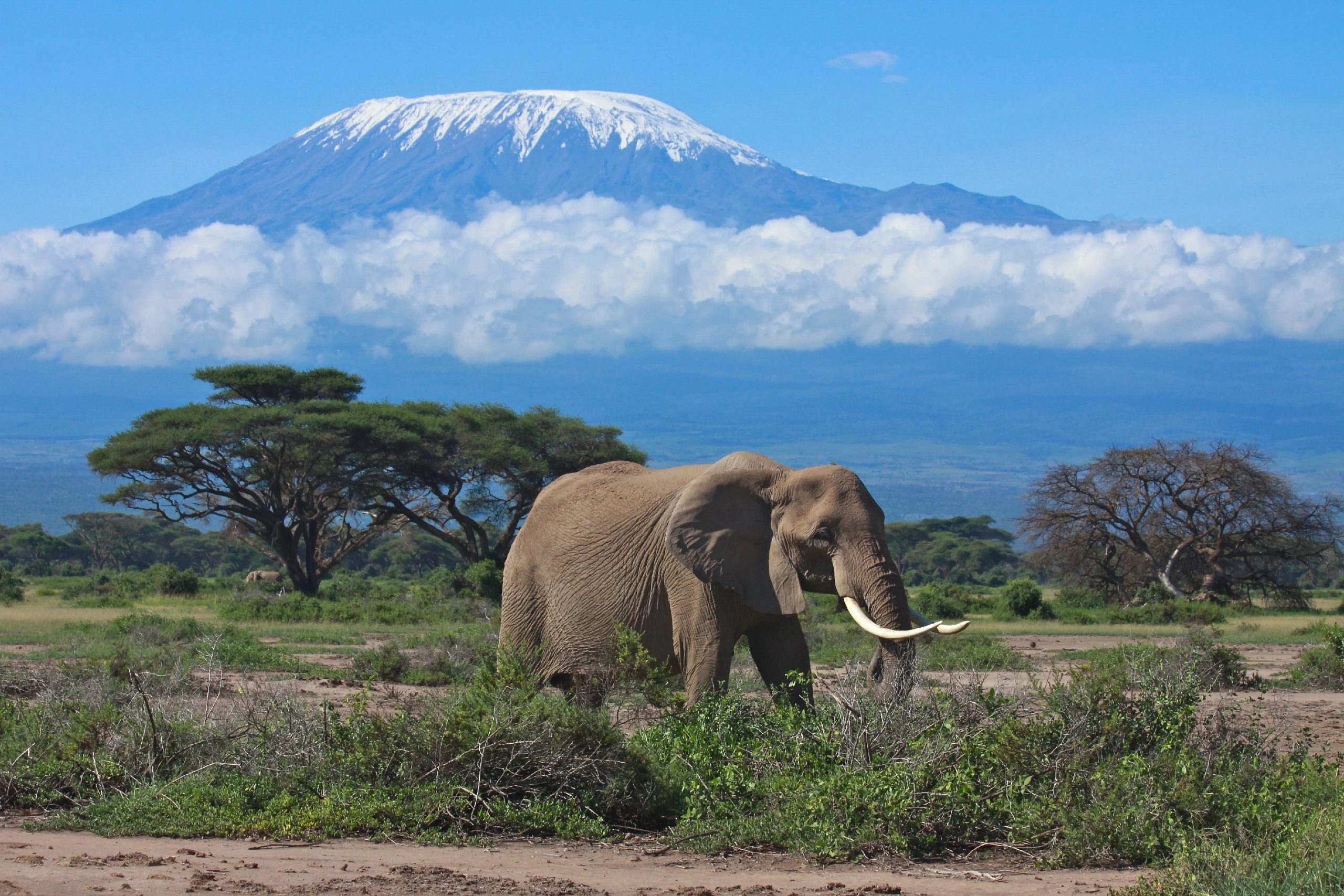
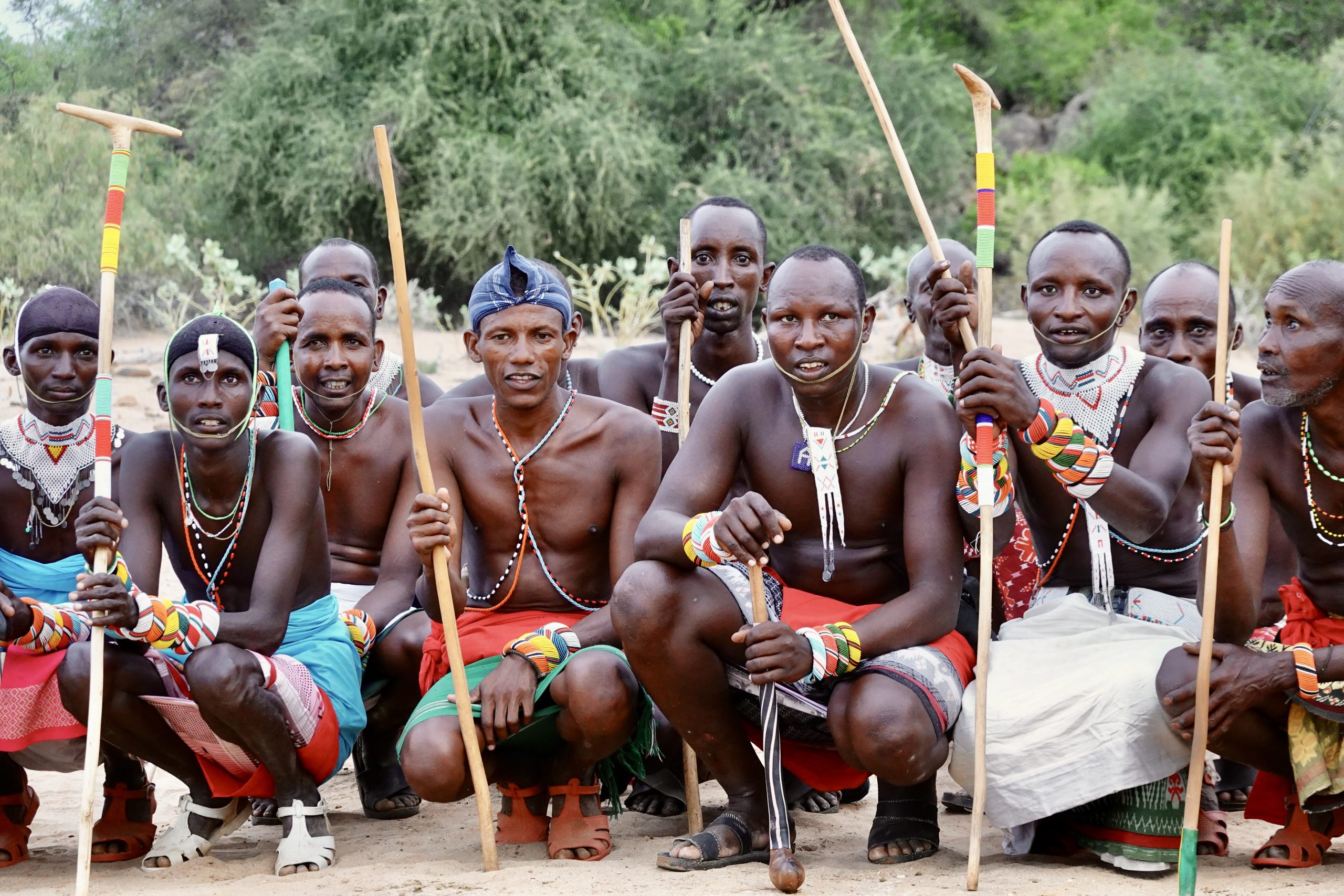
Kenya Tour Information
At Journey Beyond Travel, we get lots of questions all the time about Kenya. We try to keep this list updated so that you can get an understanding about how we run our Kenya tours. We are different from a lot of other tour operators and pride ourselves on our dedicated staff and deep knowledge of the country. Find out how you can customize your tour for a bespoke experience tailored to your travel needs. Read through these common questions we get as our answers may help you decide if we are the best tour operator for you!
Please reach out and send us an email if you have any questions at all!
What kinds of tours are available?
At Journey Beyond Travel, we design private, fully customized journeys through Kenya. Each itinerary is shaped around your schedule, interests, and travel style. Some travelers want classic wildlife safaris. Others are drawn to conservation projects, remote camel trekking expeditions in the north, coastal Swahili culture, or time to simply slow down on the Indian Ocean.
Most want a thoughtful balance — the iconic wildlife destinations alongside places that feel quieter and less traveled.
We build that balance carefully.
There is time in the bush with expert safari guides who know how to read the landscape and track wildlife. There is also space to simply watch the rhythm of the savannah unfold — long game drives, quiet moments at camp, and evenings under vast open skies.
We layer in memorable lodges, meaningful experiences with local communities, and moments of genuine stillness between the highlights. The result is structured, but never rigid. Curated, but never over-programmed.
What transportation options are available?
Kenya’s safari destinations are spread across a large and varied landscape, so travel typically combines several forms of transportation.
In cities such as Nairobi, private vehicles and drivers handle transfers and day touring. For longer distances between safari regions, travelers usually take small bush flights, which connect major wildlife conservancies efficiently and offer remarkable aerial views of the landscape.
Once inside a safari area, most exploration happens in specialized 4×4 safari vehicles with experienced local guides. These vehicles are designed specifically for wildlife viewing, with open sides or pop-up roofs that allow unobstructed views across the plains.
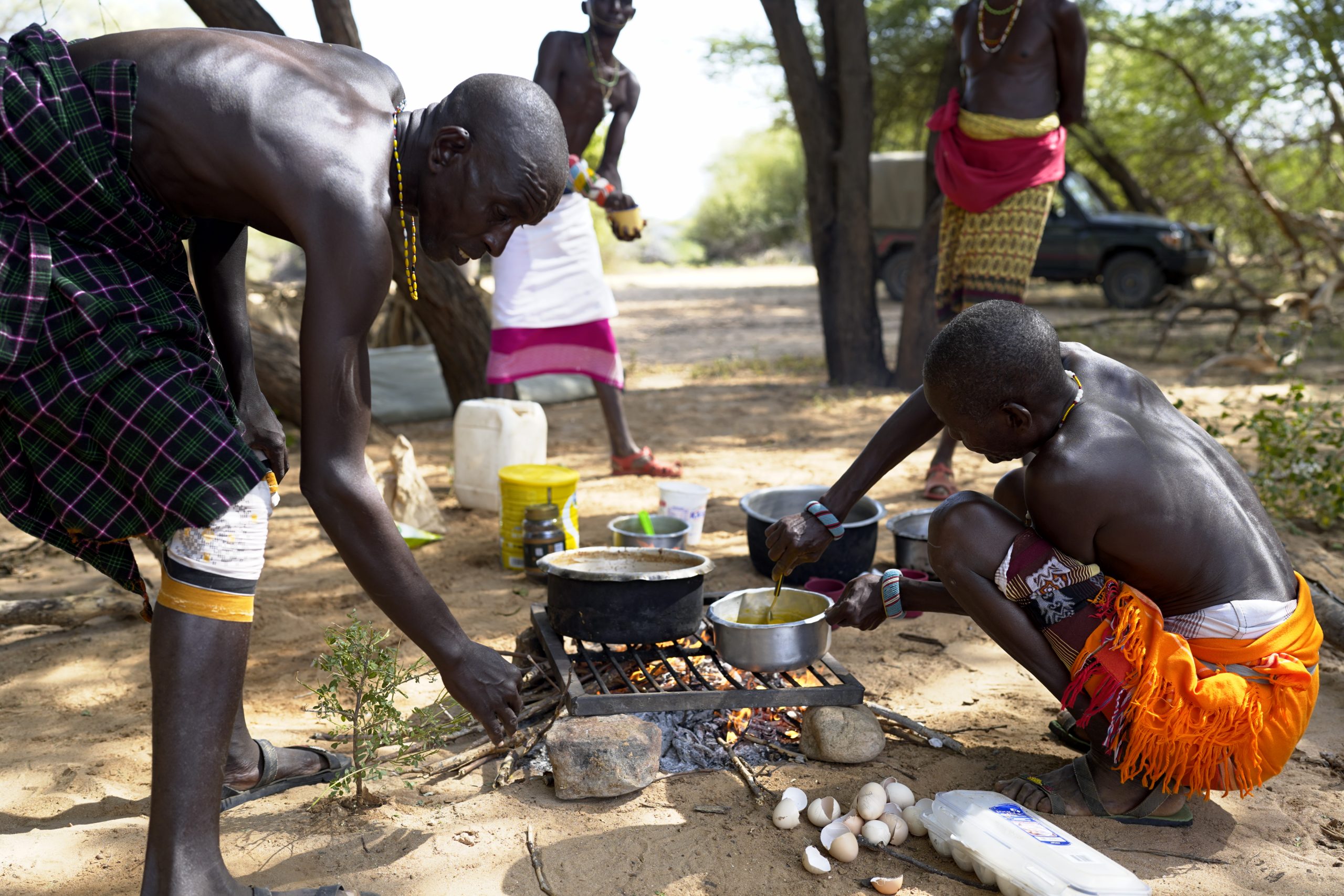
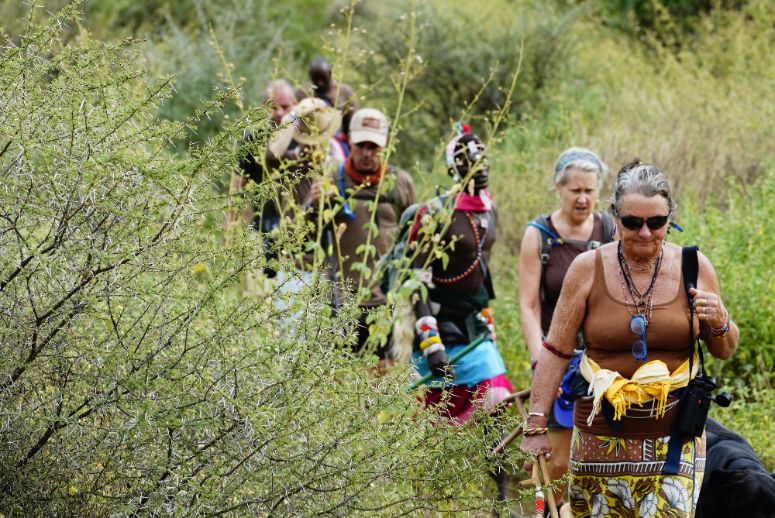
In more remote regions, travel can take different forms. Some areas of northern Kenya are explored on foot or by camel, guided by local Samburu or Rendille experts who know the terrain intimately.
Throughout the journey we arrange transfers, coordinate internal flights, and provide clear instructions so the logistics remain seamless.
How do travelers move between safari destinations in Kenya?
Distances between Kenya’s major safari regions can be considerable. Traveling entirely by road is possible but can involve long drives.
For that reason, many travelers combine scheduled bush flights with shorter overland transfers. Flights typically depart from Wilson Airport in Nairobi and connect directly to airstrips near safari camps throughout the country.
Flying not only saves time but also offers a fascinating view of Kenya’s diverse landscapes — from green highlands to arid northern plains and the vast savannah of the Maasai Mara.
For certain routes, especially within the Laikipia Plateau, transfers may also be done by private safari vehicle, which allows wildlife sightings along the way.
We select the combination of flights and drives that keeps the journey comfortable while still allowing travelers to experience the landscape itself.
Do you offer group tours of Kenya?
We do not organize group tours. Our focus is on private journeys designed specifically around each traveler.
That said, solo travelers are absolutely welcome. Safari camps often have a naturally social atmosphere, and many travelers find it easy to connect with others during meals or shared activities at camp.
If we happen to know of another independent traveler who may be open to sharing part of a journey — for example a safari vehicle or a short internal flight — we are happy to introduce you. Most of the time, however, traveling independently in Kenya works very well on its own.
One practical note: safari travel involves private guides, vehicles, and small camps, which means traveling solo can sometimes be slightly more expensive without shared accommodation or transport costs. We plan accordingly and discuss options transparently.
Is Kenya a safe country to visit?
Kenya is generally safe for travelers visiting established safari destinations and coastal areas.
Wildlife conservancies and national parks are carefully managed environments with experienced guides and well-organized camps. Travelers typically move between locations with private transfers or scheduled flights, and staff are highly accustomed to hosting international visitors.
As with travel anywhere, common sense applies. In cities, avoid walking alone late at night, keep valuables secure, and follow local guidance.
Within safari areas, guides will explain safety procedures around wildlife. These guidelines are simple but important to follow.
Emergency numbers in Kenya:
Police: 999 or 112
Ambulance: 999
Fire: 999
For international travelers, your embassy or consulate can assist if you are not in immediate danger.
Do I need a visa to enter Kenya?
Most travelers must obtain an Electronic Travel Authorization (eTA) before entering Kenya.
Applications are completed online and typically processed within a few days. Requirements may vary by nationality, so it’s important to confirm details before departure.
Your passport should generally be valid for at least six months beyond your entry date, and you may be asked to show proof of onward travel.
Should I exchange money before arriving in Kenya?
Kenyan shillings are the local currency, though US dollars are widely accepted at many safari camps and lodges.
ATMs are available in major cities such as Nairobi, though they may be limited in remote safari regions. For that reason, many travelers arrive with some US dollars or withdraw cash before leaving the city.
Credit cards are accepted in many camps and hotels, though small purchases in rural areas may require cash.
When is the best time to visit Kenya?
Kenya is rewarding year-round, though certain periods are especially popular.
The dry seasons — roughly from June through October and January through February — are typically considered the best for wildlife viewing. During these months vegetation is thinner and animals gather more predictably around water sources.
The Great Migration usually reaches the Maasai Mara between July and October, when enormous herds of wildebeest and zebra move north from Tanzania’s Serengeti.
Quieter travel periods include November and March through May, when short or long rains may occur. These months often bring dramatic skies, fewer visitors, and excellent photography conditions.
Each season offers a different perspective on the landscape.
What is the weather like in Kenya?
Kenya’s climate varies significantly depending on elevation and region.
Nairobi and the central highlands enjoy relatively mild temperatures year-round, typically ranging between 10–26°C (50–79°F).
Savannah regions such as the Maasai Mara tend to be warm during the day and cooler at night, particularly in the dry season.
Northern areas such as Samburu and the Ndotos region are hotter and drier, while the Indian Ocean coast remains warm and humid throughout the year.
Kenya experiences two rainy periods:
- Short rains: November to early December
- Long rains: March through May
Rain usually arrives in short, intense bursts rather than continuous storms.
Is tipping expected during a safari in Kenya?
Yes, tipping is customary in Kenya’s safari industry.
Most camps provide suggested guidelines, which typically include small daily tips for guides, trackers, and camp staff. Tips are usually given in US dollars or Kenyan shillings at the end of a stay.
While appreciated, tipping remains entirely voluntary.
Do I need travel insurance for my Kenya trip?
Yes.
We strongly recommend comprehensive travel insurance that includes trip cancellation, interruption, and medical coverage.
Medical evacuation coverage is particularly important when traveling to remote safari regions. Once your trip is confirmed, we can suggest providers that previous travelers have used and trusted.
When is the best time to see wildlife and the Great Migration?
Wildlife can be seen throughout the year in Kenya, but the Great Migration is one of the country’s most famous natural events.
Between July and October, massive herds of wildebeest and zebra cross into the Maasai Mara from Tanzania’s Serengeti in search of fresh grazing. River crossings during this period are among the most dramatic wildlife spectacles on Earth.
Outside migration season, the Mara still offers exceptional wildlife viewing, including lions, elephants, cheetahs, and large herds of grazing animals.
Northern regions such as Samburu provide a different experience, with unique species adapted to arid environments.
Where can I find a map of Kenya and learn more about tourism in the country?
For a clear overview of the country’s geography, Google Maps or Magical Kenya maps can be useful starting points when orienting yourself geographically.
You can also explore regional highlights through the official Kenya Tourism Board (Magical Kenya) website, which provides information on national parks, conservancies, and coastal destinations throughout the country.
Together these resources offer a helpful introduction to Kenya’s major travel regions — from the Maasai Mara and Laikipia Plateau to the northern deserts and the Swahili Coast.
Where can I learn more about traveling in Kenya?
For a well-rounded introduction, the Bradt Kenya guidebook offers thoughtful insight into the country’s landscapes, wildlife, and cultures.
Online, Wikipedia provides a useful overview of Kenya’s geography, history, and national parks. UNESCO’s website also highlights Kenya’s World Heritage Sites, including Lamu Old Town and Mount Kenya National Park.
For travel-focused research, the official Kenya Tourism Board (Magical Kenya) website presents regional highlights and practical information for visitors.
At the same time, planning a safari can be more complex than it first appears. Internal flights, seasonal wildlife movements, lodge availability, and the pacing between remote regions all require careful coordination.
If you’re curious what a customized journey through Kenya might look like, reach out to us. We’re always happy to talk through ideas and explore how a trip could take shape around you.
JBT World Collection Testimonials
Read what our clients are saying about our tours. We work endlessly to ensure that those who travel with our team have an unparalleled experience. Take a look at the reviews of our private trips. And, if you’d like to talk to one of our past travelers, just let us know!
“Our Spain journey with JBT was even better than we imagined, the perfect complement to our Morocco adventure. From seamless planning in Madrid to Andalusia’s beauty, every detail was cared for. We adored our city guides, and our driver Jebril welcomed us into his home for a delicious couscous meal — a memory we’ll treasure forever. The special touches from Amina and Lucas, from homemade gifts to sharing lunch together, made us feel like family. Truly, it was one of the best trips of our lives, and we can’t wait to explore more of the world with JBT!”
The Durants
“Our Italy trip with JBT was absolutely unforgettable. From the moment Alexei crafted our detailed, personalized itinerary — even pulling off a last-minute hot air balloon ride for my niece — we knew we were in the best hands. Each day was filled with extraordinary experiences, from private tours of Rome and Florence’s greatest treasures to a pasta-making class and a Chianti winery lunch. Our guides were exceptional, our hotels perfectly located and welcoming, and every driver and detail seamless. JBT once again exceeded my expectations, and I wouldn’t hesitate to turn to them for future adventures anywhere in the world!”
Judy F.
“Our Japan adventure with JBT was nothing short of epic! The itinerary was so thoughtfully designed — from a serene start in Hakone to the journey through ancient traditions and modern wonders — and the variety of lodging, from ryokans to a Kyoto townhouse to a glamping tent, made it truly unforgettable. The train instructions were flawless, and having Yuka as our guide and new friend was a gift. After two incredible journeys with JBT, we can honestly say you are the best!”
Kelley and Steve

Proud Members of ATTA

Eco-Tourism Provider