
Some of our Favorite Portugal Tours
We’ve got some great Portugal tours we’ve developed over the years. These are some of our favorites. And, while many tour operators have similar routes, it’s really the inner-workings and attention to detail that truly matter and make our Portugal tours stand out.

Northern Portugal
This Northern Portugal tour takes you on a journey through the region’s most captivating landscapes and historic towns. From the vibrant city of Porto to the lush Douro Valley, ancient cities like Braga and Guimarães, and the serene mountain villages of Serra da Estrela, each day offers a blend of local culture, delicious cuisine, and unforgettable experiences. Enjoy vineyard visits, traditional meals, and scenic explorations, all crafted to immerse you in the heart of Northern Portugal.

Ultimate Portugal
This Ultimate Portugal tour takes you on an unforgettable journey through the country’s most iconic destinations. From the vibrant streets of Lisbon to the historic charm of Évora, the sun-kissed beaches of the Algarve, and the wine-rich valleys of the Douro, each day offers a unique blend of culture, history, and breathtaking landscapes. Discover Porto’s lively riverfront, the medieval heart of Coimbra, and the fairytale palaces of Sintra, with every experience thoughtfully curated to immerse you in the essence of Portugal.
Portugal Travel Information
We hope that as you prepare for your personalized Portugal tour that you’ll be able to use our website as a handy reference. We’ve got all sorts of information to share here with you about Portugal! Enjoy learning and feel free to check out our blog for more information, articles, and videos to help you prepare for your travels through Portugal. This information, among other details, will be sent to you in a packet before your Portugal vacation begins.
Introduction to Portugal
Portugal is a vibrant European nation situated on the Iberian Peninsula, with Lisbon as its capital and largest city. The country also includes the autonomous archipelagos of the Azores and Madeira, each offering unique natural beauty.
Portugal is a democratic republic with a rich history and diverse cultural heritage. Its government operates under a parliamentary system, with the President—currently Marcelo Rebelo de Sousa—serving as head of state, while the Prime Minister leads the government.
With a history stretching back to prehistoric times, Portugal played a pivotal role in the Age of Discovery, establishing maritime routes that connected Europe to Africa, Asia, and the Americas. Today, the Portuguese language, spoken by approximately 260 million people worldwide, stands as a testament to the country’s far-reaching influence.
Religion has played a significant role in shaping Portuguese culture. The majority of the population identifies as Roman Catholic, and this faith is evident in the many ornate churches, religious festivals, and one of the most important Catholic pilgrimage sites in the world—the Sanctuary of Fátima. Festivals such as Easter, Christmas, and local saints’ days are enthusiastically celebrated throughout the country.
In recent years, Portugal has emerged as a modern and progressive society. It embraces diversity, and visitors will encounter a warm and hospitable atmosphere wherever they go. The Portuguese people are known for their friendliness and open-mindedness, making the country a delightful destination for travelers from around the world.
Portugal is celebrated for its culinary delights, including fresh seafood dishes, rich stews, and world-famous pastries like the pastel de nata. Its wine tradition is equally impressive, with renowned wine regions such as the Douro Valley and Alentejo producing top-quality wines.
Blessed with a Mediterranean climate, Portugal enjoys hot summers and mild winters. Its diverse landscapes range from the golden beaches of the Algarve to the rolling vineyards and lush greenery of the north.
In terms of attire, Portugal generally embraces a casual style, though a slightly more formal dress code is expected in certain situations, such as fine dining or attending special events. Visitors are encouraged to respect local customs and dress modestly when visiting religious sites.
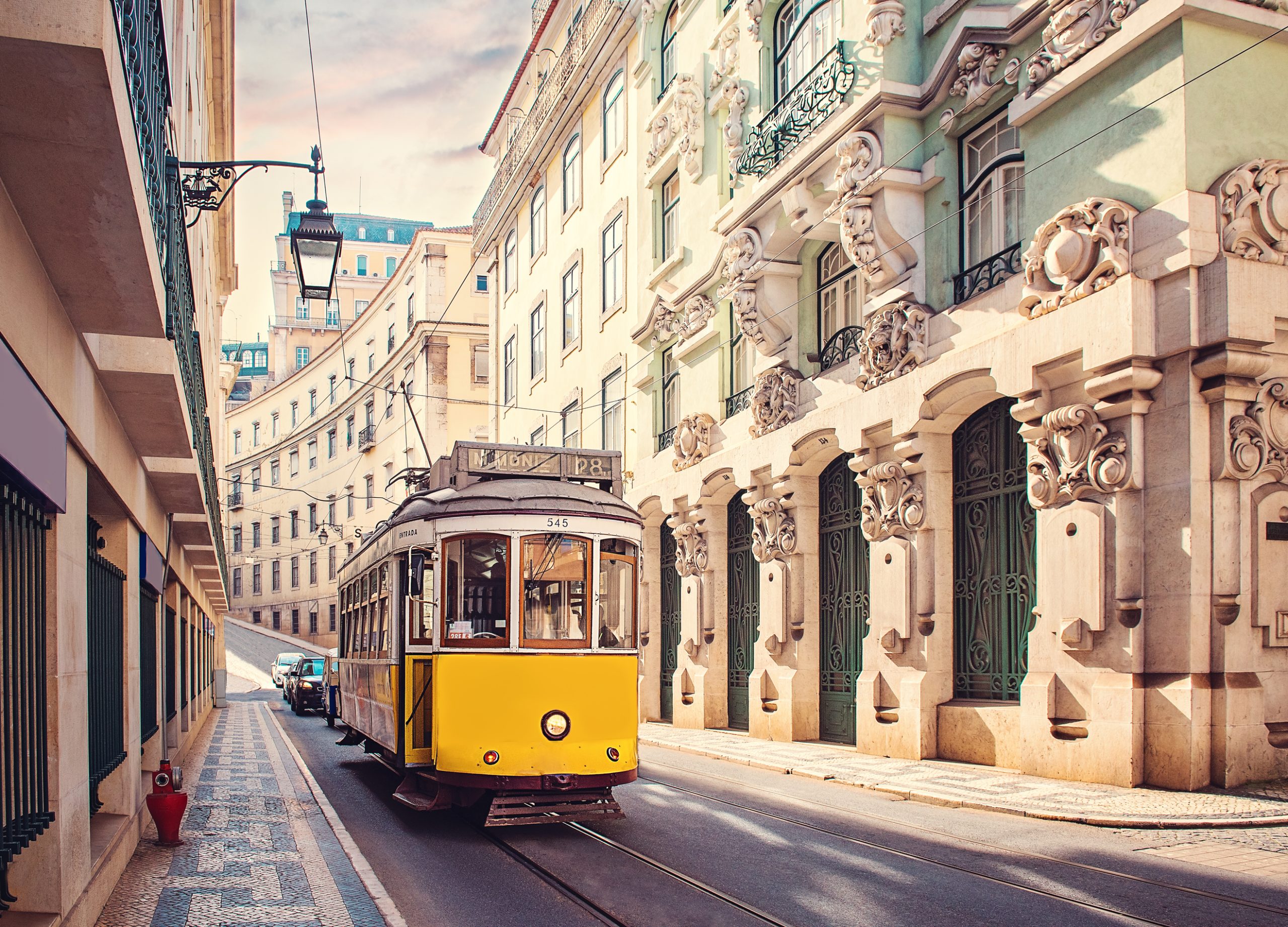
Whether exploring the charming streets of Lisbon, the vibrant city of Porto, or the picturesque villages of the countryside, travelers will find a country that beautifully blends tradition and modernity. Portugal’s captivating history, warm hospitality, and stunning landscapes make it an alluring destination for anyone seeking an enriching experience in Europe.
Country Facts
OFFICIAL NAME: Portuguese Republic
CAPITAL CITY: Lisbon
GOVERNMENT: Democratic Republic
HEAD OF STATE: President (currently Marcelo Rebelo de Sousa)
GEOGRAPHIC LOCATION: Southwestern Europe; bordered by Spain to the east and north, and the Atlantic Ocean to the west and south
GEOGRAPHY: Diverse landscapes including plains, rolling hills, mountains, and coastal areas; also includes the Azores and Madeira archipelagos
BODIES OF WATER: Atlantic Ocean, Tagus River, Douro River, Guadiana River
POPULATION: Approximately 10 million
AREA: 92,090 sq km / 35,556 sq miles (about the size of Indiana, USA)
COASTLINE: 1,793 km / 1,114 miles
OFFICIAL LANGUAGE: Portuguese
ETHNICITY: Predominantly Portuguese, with small communities of Brazilians, Angolans, Cape Verdeans, and others
RELIGION: Majority Roman Catholic; also includes other Christian denominations, Muslim communities, and non-religious minorities
LITERACY RATE: High
UNEMPLOYMENT RATE: Varies over time; as of 2024, approximately 6.8%
CURRENCY: Euro (EUR)
GDP PER CAPITA: As of 2025, approximately $30,947 USD (figures may vary over time)
ARABLE LAND: Approximately 26%
IRRIGATED LAND: Varies by region
FORESTS: Approximately 35% of total land area
AGRICULTURE: Olive oil, wine, cork, fruits, vegetables, livestock
NATURAL RESOURCES: Fish, cork, granite, marble, tungsten, uranium, iron ore
MAJOR INDUSTRIES: Tourism, textiles, footwear, cork production, wine, automobiles, electronics, aerospace
NUMBER OF TOURISTS IN 2024: A record 30 million visitors (figures may vary over time)
LARGEST CITIES: Lisbon (capital), Porto, Vila Nova de Gaia, Amadora, Braga, Setúbal
TIME ZONE: Western European Time (WET, GMT+0; GMT+1 during daylight saving time)
TELEPHONE COUNTRY CODE: +351
CLIMATE: Mediterranean climate with mild, rainy winters and hot, dry summers; cooler and wetter in the north; Azores and Madeira have a subtropical climate
HOTTEST CITIES: Lisbon, Beja
COLDEST CITY: Guarda
BEST TIMES TO VISIT: Spring (April to June) and Autumn (September to October)
PORTUGUESE PEOPLE: Warm and welcoming; known for their hospitality and friendliness; family-oriented; proud of their cultural heritage; enjoy good food, wine, and festivities; value traditions and a relaxed lifestyle
Geography
Despite its relatively compact size, Portugal boasts a remarkably diverse landscape. Covering 92,090 square kilometers (35,556 square miles), the country may be small compared to others, but it is rich in natural beauty and variety. From its northern border with Spain to its southern coastline, Portugal stretches approximately 560 kilometers (348 miles), offering a range of climates and terrains.
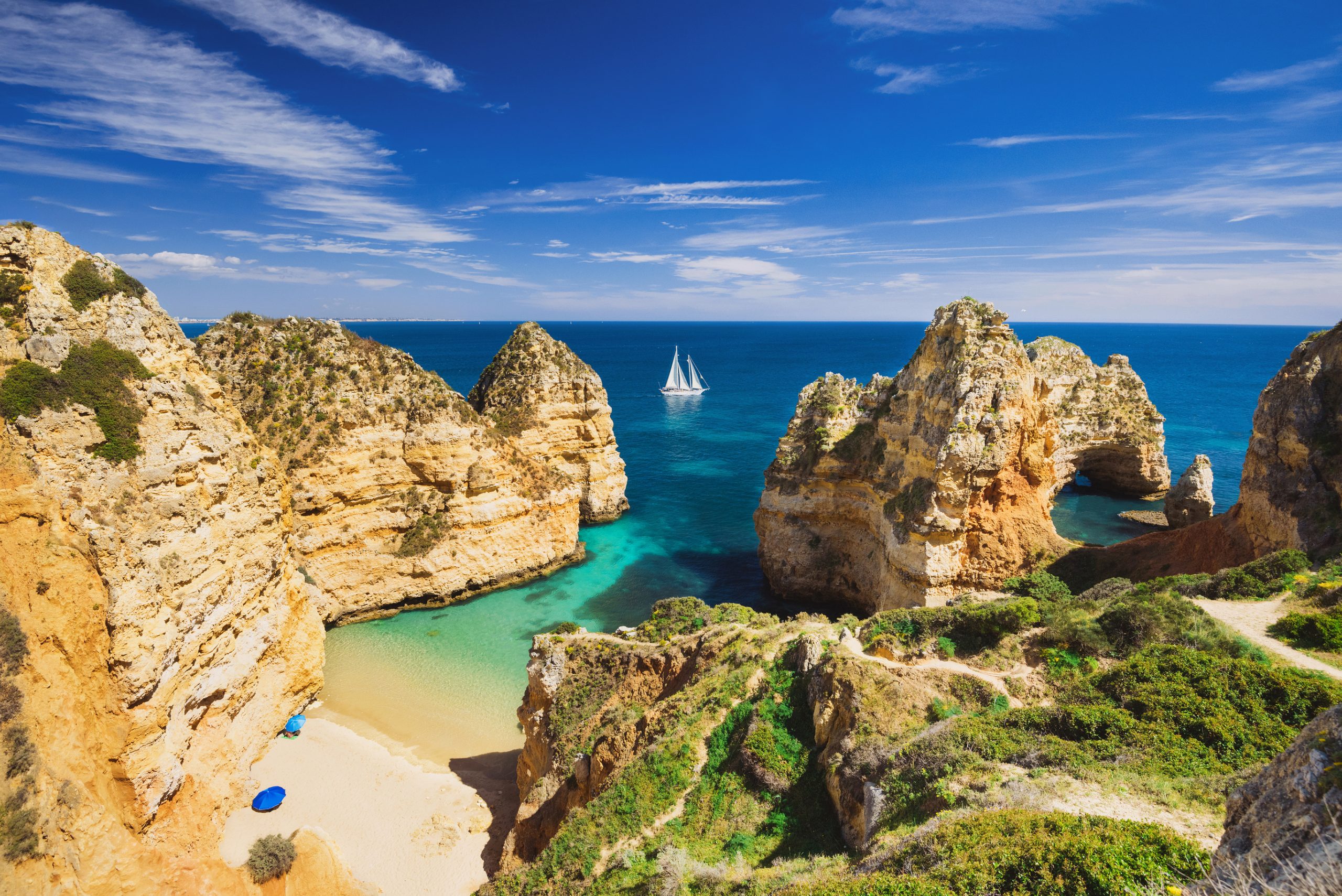
Portugal is blessed with a stunning 1,793-kilometer (1,114-mile) coastline along the Atlantic Ocean. This extensive shoreline is dotted with sandy beaches, rugged cliffs, and charming fishing villages, making it a paradise for sun-seekers and water sports enthusiasts.
Inland, the terrain is a mix of rolling hills, fertile plains, and mountainous regions.
• Northern Portugal is characterized by rugged mountains, dense forests, and scenic valleys, particularly in the Minho region and the picturesque Douro Valley—one of the world’s oldest wine-producing regions.
• Central Portugal features vast plains and the fertile Alentejo region, known for its cork oak forests, olive groves, and wheat fields.
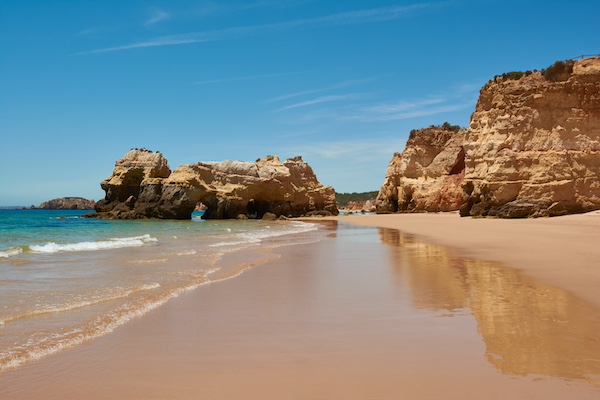
• Southern Portugal (Algarve) is famous for its golden beaches, dramatic cliffs, and picturesque coves, attracting visitors from around the world.
Portugal also includes two autonomous archipelagos in the Atlantic Ocean:
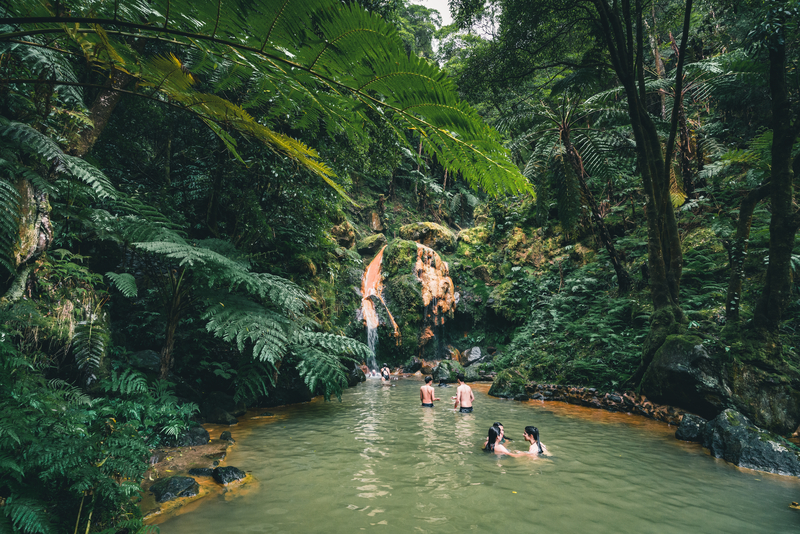
• The Azores, a group of nine volcanic islands, known for lush landscapes, crater lakes, and geothermal activity.
• Madeira, an island famous for its subtropical climate, steep cliffs, and lush vegetation.
Climate & Weather
Portugal predominantly experiences a Mediterranean climate, with mild, rainy winters and hot, dry summers. However, its climate varies due to its diverse geography:
• Northern Portugal (e.g., Porto, Minho) receives more rainfall and has a cooler climate.
• Central and Southern Portugal (e.g., Alentejo, Algarve) are drier and sunnier, with hot summers.
• The Azores have a mild, oceanic climate with moderate temperatures year-round.
• Madeira enjoys a subtropical climate with warm, stable temperatures throughout the year.
Geology & Natural Phenomena
Portugal is not located on a major tectonic plate boundary, making it less prone to frequent earthquakes or volcanic activity. However, the Azores are of volcanic origin and still have some dormant volcanoes and geothermal activity.
Best Times to Visit
Portugal’s seasons offer something special for every traveler:
• Spring (April – June) and Autumn (September – October) are ideal for sightseeing, with mild weather and vibrant landscapes.
• Summer (July – August) is perfect for beach lovers, though it can be hot and crowded.
• Winter (December – February) is mild in most regions, making it a great time to explore historic cities and enjoy traditional seasonal festivities.
Whether you’re drawn to its picturesque coastline, rolling vineyards, rugged mountains, or charming countryside, Portugal’s diverse geography offers endless opportunities for adventure and cultural discovery.
Money & Shopping
In Portugal, accessing cash and making transactions is generally convenient, especially in urban areas. ATMs are widely available throughout most cities, making it easy to withdraw money. To ensure smooth card transactions, it’s advisable to inform your card provider of your travel plans beforehand. Keep in mind that some ATMs may charge a small fee for withdrawals. For the most accessible ATMs when using overseas cards, look for machines operated by major banks.
While cash is widely accepted, credit cards are also commonly used, particularly in larger establishments such as department stores and hotels. However, some smaller businesses may still prefer cash payments. To avoid inconvenience, carry enough cash for daily expenses and use a credit or debit card for larger purchases or cashless payments.
Haggling is not common in Portugal, but you may be able to negotiate prices at flea markets or privately owned specialty shops. In such casual contexts, it is acceptable to inquire politely about a discount, especially if paying in cash. However, in most shopping situations, prices are fixed, and negotiation is not expected.
Traveler’s checks are rarely accepted in Portugal, so rely on cash and card payments instead. With a growing trend toward cashless payments, having a credit or debit card on hand is beneficial. Whether you’re exploring vibrant cities or the picturesque countryside, shopping in Portugal offers a delightful experience of local crafts, culinary delights, and unique souvenirs to cherish your memories.
Internet, Phone, Post, and Health
In Portugal, staying connected and accessing the internet is relatively straightforward, especially in urban areas. Wi-Fi is widely available in cafés, restaurants, and public spaces such as train stations. However, free Wi-Fi speed and coverage can vary, and access may be time-limited. Most accommodations provide Wi-Fi in rooms or shared lounges, ensuring a reliable connection.
If you have an unlocked phone that works on Portuguese networks, you can purchase a prepaid SIM card. These SIM cards often offer data-only plans, allowing you to use internet-based apps like Skype and WhatsApp for voice calls. For unlimited cellular data and voice calls, some providers, like Mobal (www.mobal.com), offer prepaid SIM cards with English-language support and worldwide shipping, which can be convenient for travelers. If your phone allows, consider downloading an eSIM before travel. It may also be worth checking with your phone provider about international travel plans.
Portugal’s country code is +351, and the voltage standard is 230V. Electrical plugs are of the European type with two round prongs. If your country uses a different plug type, bring an adapter.
Post offices are widespread in Portugal, and red post boxes are conveniently located throughout the country. Any post office allows you to easily send letters, postcards, or packages at reasonable rates.
Portugal has a reliable healthcare system. In case of emergency, dial 112. Most medical facilities have staff who can communicate in English, particularly in major cities. However, it is advisable to have travel insurance that covers medical expenses. Pharmacies (farmácias) are readily available throughout the country.
To ensure a smooth trip, bring any necessary medications in their original packaging. While Portuguese pharmacists are generally helpful and may speak limited English, some over-the-counter medicines may not be as readily available as in other countries. Check local regulations on prescription medications before traveling to avoid any issues. You can find further information on bringing medication into Portugal from the Ministry of Health website (https://www.sns.gov.pt/en/).
If you like reading stellar travel articles, explore our journal for even more great expert information!
Portugal Tour Information
At Journey Beyond Travel, we get lots of questions all the time about Portugal. We try to keep this list updated so that you can get an understanding about how we run our Portugal tours. We are different from a lot of other tour operators and pride ourselves on our dedicated staff and deep knowledge of the country. Find out how you can customize your tour for a bespoke experience tailored to your travel needs. Read through these common questions we get as our answers may help you decide if we are the best tour operator for you!
Please reach out and send us an email if you have any questions at all!
Do I need a visa to visit Portugal?
American and Canadian citizens do not need a traditional visa for short stays (up to 90 days). However, starting in 2024, they must obtain an ETIAS (European Travel Information and Authorization System) authorization before travel.
Is driving easy in Portugal? Are motorways/highways free?
Driving in Portugal is generally straightforward, especially on well-maintained motorways. However, navigating urban centers like Lisbon and Porto can be challenging due to narrow streets, traffic, and limited parking.
Most motorways (autoestradas) are toll roads, with payment options including manual toll booths, electronic systems (Via Verde), or online payment at portugaltolls.com and tollcard.pt.
As of January 1, 2025, electronic toll payments on the A23 motorway have been removed.
Are taxis and ride-sharing services available in Portugal?
Yes. Uber, Bolt, and Free Now are popular and often cheaper than traditional taxis.
Can I swim in the ocean in Portugal?
Yes, but the water temperature varies by region and season. Some areas have rougher waters, so always check beach flags for safe swimming conditions.
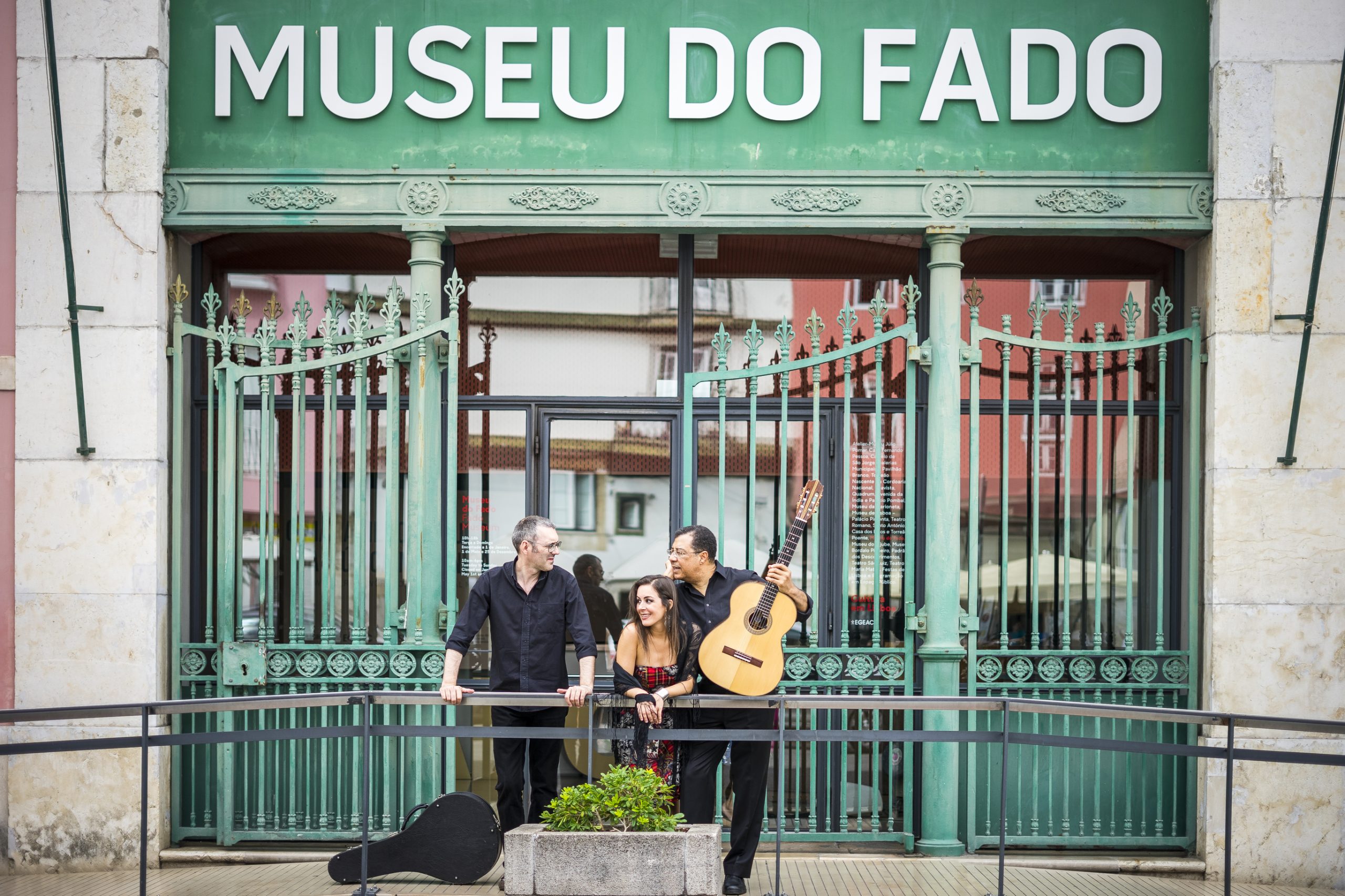
What is Fado music, and where can I experience it?
Fado is a traditional Portuguese music genre known for its emotional and melancholic sound, often expressing themes of saudade (longing or nostalgia). It is performed by a singer (fadista) accompanied by a Portuguese guitar and a classical guitar.
There are two main styles:
• Lisbon Fado – Dramatic and widely performed in Fado houses.
• Coimbra Fado – Softer and poetic, often linked to student traditions.
What are the best souvenirs to buy from Portugal?
For authentic souvenirs, visit local markets and artisan shops. Some top choices include:
• Azulejos (Decorative Tiles): Hand-painted ceramic tiles with traditional Portuguese designs.
• Cork Products: Portugal is the world’s largest cork producer—find cork bags, wallets, hats, and shoes.
• Portuguese Ceramics & Pottery: Colorful plates, bowls, and the iconic “Barcelos Rooster” figurines.
• Port Wine: A world-famous fortified wine from the Douro Valley.
• Olive Oil: High-quality Portuguese olive oil.
• Piri-Piri Sauce: A spicy sauce famous in Portuguese cuisine.
• Cheeses (Queijo da Serra, Queijo de Azeitão): If allowed by customs in your country.
• Portuguese Embroidery, Linens, Wool Blankets: Traditional Burel wool.
• Filigree Jewelry: Intricate gold and silver jewelry.
What are the traditional foods and drinks?
• Bacalhau (Salted Codfish): Portugal’s national dish, prepared in over 1,000 ways!
• Sardinhas Assadas (Grilled Sardines)
• Caldo Verde (Green Soup)
• Cozido à Portuguesa (Portuguese Boiled Dinner)
• Francesinha (Porto’s Famous Sandwich)
• Arroz de Marisco (Seafood Rice)
• Leitão à Bairrada (Roast Suckling Pig)
• Polvo à Lagareiro (Octopus with Olive Oil & Potatoes)
• Prego & Bifana (Steak & Pork Sandwiches)
• Queijo da Serra (Portuguese Cheese)
• Pastel de Nata (Custard Tart)
• Ovos Moles (Egg Yolk Sweets)
• Pão de Ló (Portuguese Sponge Cake)
• Arroz Doce (Portuguese Rice Pudding)
• Bolo de Mel (Madeiran Honey Cake)
Will people understand if I speak Spanish?
Many Portuguese people understand Spanish, but some may not appreciate it if you assume they speak it. It’s polite to ask first: “Fala espanhol?”
What are the UNESCO sites in Portugal?
Portugal has 17 UNESCO World Heritage Sites, including:
• Monastery of the Hieronymites and Tower of Belém (Lisbon)
• Alto Douro Wine Region
• Convent of Christ (Tomar)
• Historic Centre of Porto, Luiz I Bridge, and Monastery of Serra do Pilar
• Monastery of Batalha
• Historic Centre of Évora
• Monastery of Alcobaça
• Cultural Landscape of Sintra
• Prehistoric Rock Art Sites in the Côa Valley and Siega Verde
• Historic Centre of Guimarães
• Landscape of the Pico Island Vineyard Culture
• Garrison Border Town of Elvas and its Fortifications
• University of Coimbra – Alta and Sofia
• Royal Building of Mafra – Palace, Basilica, Convent, Cerco Garden, and Hunting Park (Tapada)
• Sanctuary of Bom Jesus do Monte (Braga)
• Laurisilva of Madeira
• Central Zone of the Town of Angra do Heroísmo (Azores)
Is Portugal considered a surfing paradise?
Yes! Portugal’s diverse coastline and consistent Atlantic swells make it a top surfing destination. Some iconic surf spots include:
• Nazaré (Home to the world’s biggest waves)
• Peniche (Supertubos)
• Ericeira (Europe’s only World Surfing Reserve)
• Carcavelos (Near Lisbon)
• Algarve (Arrifana, Sagres, Lagos)
Do they have bullfighting in Portugal?
Yes, but Portuguese bullfighting (tourada or corrida de touros) differs from the Spanish version. The bull is not killed in the arena. The main spectacle features a cavaleiro (horseman) riding a Lusitano horse, performing elegant moves while placing small spears (bandarilhas) into the bull’s back.
JBT World Collection Testimonials
Read what our clients are saying about our tours. We work endlessly to ensure that those who travel with our team have an unparalleled experience. Take a look at the reviews of our private trips. And, if you’d like to talk to one of our past travelers, just let us know!
“Our Spain journey with JBT was even better than we imagined, the perfect complement to our Morocco adventure. From seamless planning in Madrid to Andalusia’s beauty, every detail was cared for. We adored our city guides, and our driver Jebril welcomed us into his home for a delicious couscous meal — a memory we’ll treasure forever. The special touches from Amina and Lucas, from homemade gifts to sharing lunch together, made us feel like family. Truly, it was one of the best trips of our lives, and we can’t wait to explore more of the world with JBT!”
The Durants
“Our Italy trip with JBT was absolutely unforgettable. From the moment Alexei crafted our detailed, personalized itinerary — even pulling off a last-minute hot air balloon ride for my niece — we knew we were in the best hands. Each day was filled with extraordinary experiences, from private tours of Rome and Florence’s greatest treasures to a pasta-making class and a Chianti winery lunch. Our guides were exceptional, our hotels perfectly located and welcoming, and every driver and detail seamless. JBT once again exceeded my expectations, and I wouldn’t hesitate to turn to them for future adventures anywhere in the world!”
Judy F.
“Our Japan adventure with JBT was nothing short of epic! The itinerary was so thoughtfully designed — from a serene start in Hakone to the journey through ancient traditions and modern wonders — and the variety of lodging, from ryokans to a Kyoto townhouse to a glamping tent, made it truly unforgettable. The train instructions were flawless, and having Yuka as our guide and new friend was a gift. After two incredible journeys with JBT, we can honestly say you are the best!”
Kelley and Steve

Proud Members of ATTA

Eco-Tourism Provider