
Kayoko Kagami - Your Local Japan Expert
Kayoko was raised in Osaka, she grew up traveling frequently throughout western Japan, developing an early appreciation for regional culture, food and landscapes. After later moving to Tokyo, her travels expanded across eastern Japan, giving her a grounded, first-hand understanding of the country as a whole.
Having visited 39 of Japan’s 47 prefectures, she brings deep local knowledge and a genuine love for sharing Japan with travelers.
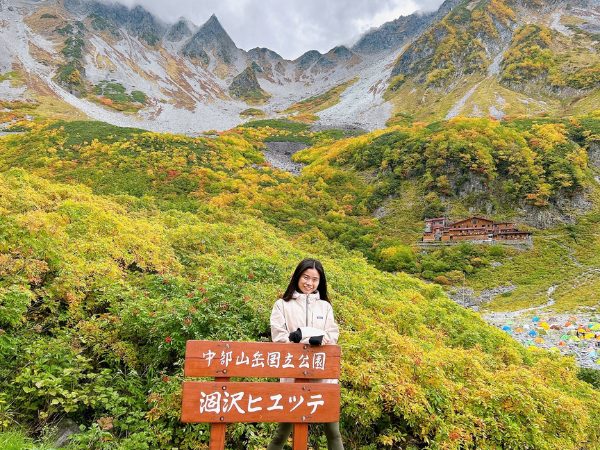
Some of our Favorite Japan Tours
We’ve got some great Japan tours we’ve developed over the years. These are some of our favorites. And, while many tour operators have similar routes, it’s really the inner-workings and attention to detail that truly matter and make our Japan tours stand out.

Eclectic Japan
This Japan itinerary highlights the best of the country including Tokyo, Kyoto, and Hiroshima. Many companies attempt this route, only a few do it superbly! You can also do this trip in reverse if you are starting in Tokyo.

The Golden Route
This Japan tour takes you on the classic route that we’ve filled with hidden delights.
Japan Travel Information
We hope that as you prepare for your personalized Japan tour that you’ll be able to use our website as a handy reference. We’ve got all sorts of information to share here with you about Japan! Enjoy learning and feel free to check out our blog for more information, articles, and videos to help you prepare for your travels through Japan. This information, among other details, will be sent to you in a packet before your Japan vacation begins.
Introduction to Japan
Japan is a constitutional monarchy with a parliamentary system. The government is led by Prime Minister Kei Ishikawa, who took office in 2024 following the resignation of Fumio Kishida. Under Japan’s postwar constitution, the emperor functions as head of state in a ceremonial capacity without political power, serving as a symbol of continuity and national identity rather than governance.
In August 2016, Emperor Akihito surprised the nation by expressing his wish to abdicate — something that had not occurred in roughly two centuries. His abdication brought the Heisei era, which began on January 8, 1989, to a close on April 30, 2019. The following day, Crown Prince Naruhito ascended the throne as Japan’s 126th emperor, ushering in the Reiwa era. Naruhito has marked a subtle departure from precedent, having studied at Oxford and married Empress Masako (née Owada), a commoner.
Pacifism is embedded in Japan’s constitution. The country is prohibited from possessing nuclear weapons or maintaining a traditional standing army. Instead, it operates Self-Defense Forces, which in recent years have participated in overseas missions but have not engaged in combat.
Japan remains one of the most socially homogeneous nations in the world, with fewer than 2 percent of residents born abroad. Social harmony is deeply valued, and the country consistently reports some of the lowest crime rates globally, contributing to its reputation as an exceptionally safe destination.
Corporate leadership remains largely male-dominated, though women have steadily expanded their presence in professional life over recent decades. Japan’s education system, sometimes critiqued for prioritizing structured learning over creative thinking, nonetheless produces strong outcomes: a literacy rate of 99 percent and consistently high employment levels.
Politeness in Japan is structural. A light bow and a friendly yoroshiku onegaishimasu are customary when greeting someone, though foreign visitors are often met with a handshake. What you should avoid is physical familiarity such as hugging or cheek-kissing.
Photography requires sensitivity. Beyond courtesy, there are legal considerations: publishing identifiable images of people in public without permission is illegal. Museums and religious sites frequently prohibit photography entirely, so pay attention to posted signs.
Dress tends toward understated elegance. Many men wear suits, especially for work, and women favor classic silhouettes. Even in casual settings, presentation is thoughtful. Dressing slightly more formally than you might at home is generally appreciated.
A common saying in Japan is that people are born Shinto, marry Christian, and die Buddhist. While simplistic, it captures the fluid and pragmatic nature of religious life in the country.
Many Japanese will say they are not religious. Yet temples and shrines remain active, woven into everyday rhythms. At Buddhist temples, visitors waft incense smoke toward their heads and bodies. At Shinto shrines, they toss coins into offering boxes, ring bells to call the resident kami, bow, clap, and pray.
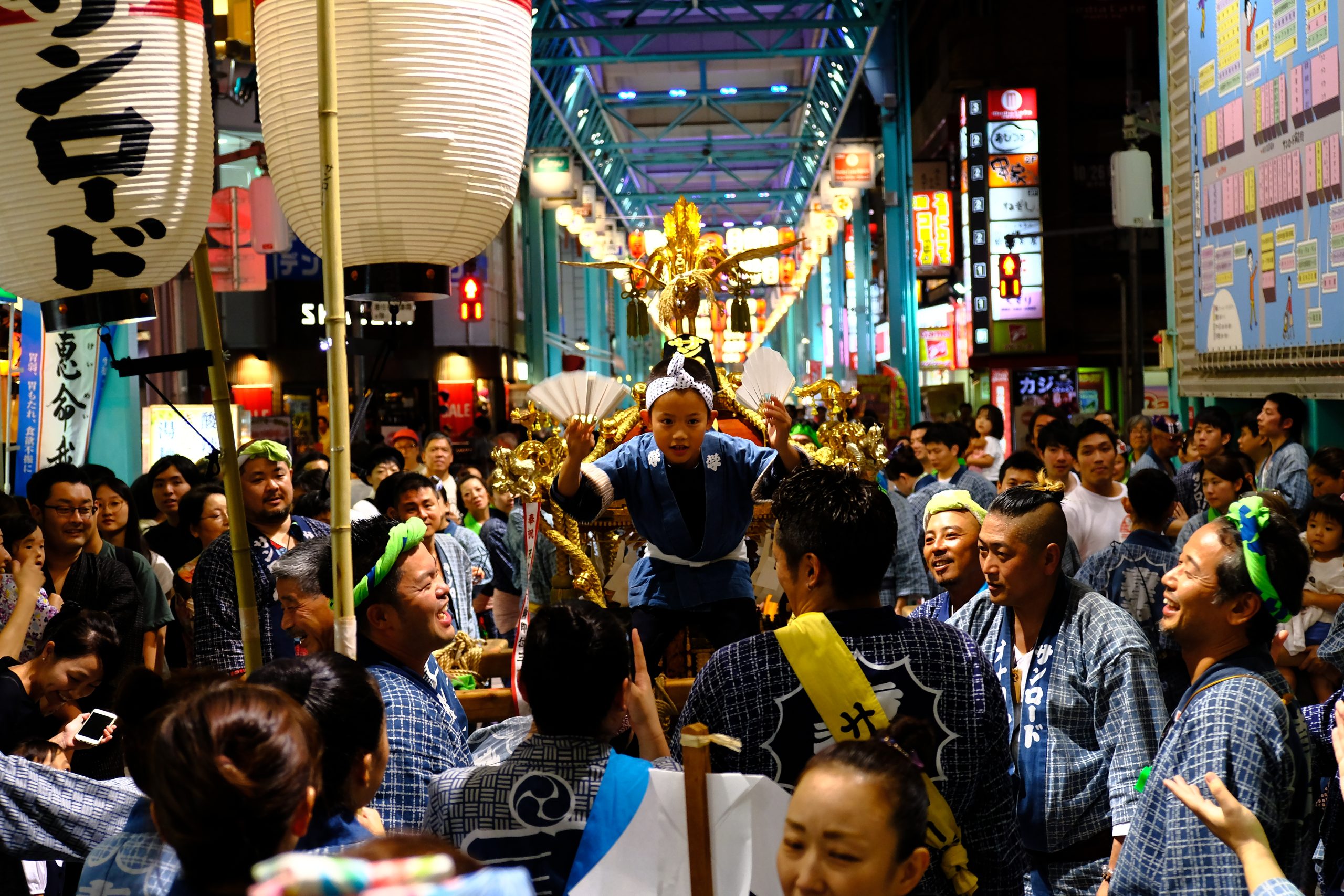
Festivals — or matsuri — punctuate the year, many rooted in Shinto traditions and tied to agricultural cycles and rites of passage. Buddhist observances tend to be more contemplative, often centered around ancestral remembrance. In rural homes especially, a small Buddhist altar called a butsudan may occupy a central place in the living space. These altars, containing statues, scrolls, and sacred objects, honor deceased family members.
One of the most widely observed religious holidays is Obon, held in July or August depending on region. During this Buddhist festival, ancestors are believed to return to visit the living. Lanterns are lit to guide them, dances are performed across generations, and families clean graves and leave offerings at temples and home altars.
Japan navigates its ancient traditions alongside modern life with ease. While many rituals follow the lunar calendar, daily life adheres to the solar Gregorian calendar, aligned with the rest of the contemporary world.
Japan Country Facts
Official Name: Japan
Capital: Tokyo
Government: Constitutional Monarchy
Prime Minister: Kei Ishikawa
Geographic Location: East Asia; no land borders, maritime borders with Russia, North Korea, South Korea, China, Taiwan, the Philippines, and the Northern Mariana Islands (US)
Geography: Mountains, volcanoes, alluvial plains, beaches, forests, gorges, valleys, volcanic crater lakes
Bodies of Water: Pacific Ocean, Sea of Japan, Inland Sea
Population: 125 million
Area: 377,915 sq km / 145,914 sq miles (slightly larger than Germany, slightly smaller than California)
Coastline: 27,000 km / 16,777 miles
Languages: Japanese
Ethnic Groups: Japanese, Ainu, Korean
Religion: Shinto (70.5%), Buddhist (67.2%), Christian (1.5%), Other (5.9%)
Literacy Rate: 99%
Unemployment Rate: 2.8%
Currency: Japanese Yen (JPY)
Annual Per Capita GNP: $36,000
Arable Land: 20%
Irrigated Arable Land: 35% of agricultural
land Forests: 67%
Agriculture: Wheat, barley, corn, potatoes, tomatoes, citrus fruits, olives; livestock
Natural Resources: Phosphates, iron ore, manganese, lead, zinc, fish, salt Industries: Textiles, tourism, food processing, phosphate, construction
Tourist Arrivals (2019): 31.9 million
Largest Cities: Tokyo (9.3m), Yokohama (3.7m), Osaka (2.7m), Nagoya (2.3m), Sapporo (1.9m), Fukuoka (1.5m)
Time Zone: GMT+9
Country Code: +81
Climate Overview:
– Honshu, Shikoku, Kyushu: mild and humid; snowy west coast winters, dry east coast winters
– Hokkaido: Northern Temperate Zone (similar to New England)
– Okinawa & southwest islands: subtropical
– Mountain regions: cold and snowy
– Average winter temperature: 3°C / 37°F
– Average summer temperature: 27°C / 80°F
Hottest City: Kumagaya (Greater Tokyo area), widely known for extreme summer heat, though southern cities like Naha average higher annually.
Coldest City: Sapporo
Best Times to Visit: Late March–May; October–November
Japanese People: Respectful, attentive, detail-oriented, hospitable, reserved at first but warm once social barriers ease.
Geography
Despite common assumptions, Japan is not small. At 377,915 square kilometers, it spans a north-to-south distance of roughly 3,008 km — comparable to the continental United States. This geographic stretch produces a remarkable diversity of climate and landscape.
Japan comprises thousands of islands, though four form the primary landmass: Honshu, Hokkaido, Shikoku, and Kyushu. Honshu is the largest and most populated. Hokkaido, roughly the size of Ireland, lies to the north. Shikoku and volcanic Kyushu sit to the southwest, bordering the Inland Sea.
Mountains dominate the landscape, covering approximately 70–80 percent of the country. This compresses agriculture and population into coastal plains. Japan’s coastline extends 27,000 km, and the surrounding ocean has historically shaped both its cultural and geographic development.
The Japan Alps — Northern, Central, and Southern ranges — form the mountainous spine of Honshu, with peaks exceeding 3,000 meters. Mount Fuji, standing at 3,776 meters, is both Japan’s tallest peak and one of the most recognizable mountains in the world.
Japan sits along the Pacific Ring of Fire, directly on the Pacific Plate. Roughly 70 volcanoes dot the country, including Aso-san and Sakurajima in Kyushu. Mount Fuji itself last erupted in 1707. While catastrophic eruptions are rare, seismic activity remains part of life. Onsen culture — bathing in geothermally heated hot springs — is one of the gentler outcomes of this volatile geology.
Japan is home to 33 national parks, the first established in 1934 following the rise of mountaineering culture in the early 20th century.
Money & Shopping
ATMs are widely available in major cities. Inform your bank before traveling. Withdrawals may incur small fees. 7-Eleven ATMs (Seven Bank) are the most reliable for international cards.
Outside major urban centers, ATMs are less frequent. Withdraw sufficient cash before traveling into rural areas.
Japan remains more cash-dependent than many travelers expect. Small businesses often accept only cash, though department stores, hotels, and larger establishments usually accept cards. Cashless payment is increasing, but plan for cash to cover most daily expenses. Traveler’s checks are generally not accepted.
Haggling is uncommon. Prices are fixed. In rare cases — flea markets or specialty shops — you may politely ask about a small discount for cash payment, but expect to pay the listed price.
Internet, Phone, Post, and Health
Japan has a reputation for being ultra high-tech, but surprisingly, free public Wi-Fi is not always seamless. You’ll find it in many cafés, select restaurants, and some public spaces such as train stations, though access often requires registration steps and may be limited to 30 minutes or one hour at a time. Connections can be inconsistent.
Most accommodations provide internet access, either through in-room Wi-Fi or, at minimum, a shared computer in a common area.
For reliable connectivity while moving between cities, renting a pocket Wi-Fi router is the most practical solution. One of the most trusted providers is Ninja WiFi: https://ninjawifi.com
It’s possible to reserve a Ninja WiFi router alongside a Japan Rail (JR) Pass and collect both at the airport, or arrange delivery to your accommodation. Details are available here: www.jrpass.com/pocket-wifi
If your phone is unlocked and compatible with Japanese networks, you may prefer purchasing a prepaid SIM card. Many SIM cards marketed to foreign travelers are data-only, meaning voice calls must be made through internet-based apps such as Skype or WhatsApp.
Mobal currently offers one of the strongest prepaid SIM options: www.mobal.com
Their plans include unlimited data, English-language support, and — for plans longer than 30 days — the ability to make and receive voice calls, which is relatively uncommon. SIM cards can be shipped internationally before departure or reserved for airport pickup upon arrival.
For a lower-cost alternative, U-Mobile prepaid SIM cards (data-only, limited duration) are available via vending machines at Narita Airport. You can also purchase store-branded prepaid SIM cards at major electronics retailers such as Bic Camera, Yodobashi Camera, and Labi. These typically offer limited data and no voice calling.
Japan’s international dialing code is +81 (or 0081 when dialing internationally).
Electrical voltage in Japan is 100V. This differs from the 110–120V standard used in the United States and the 220–230V standard common in Europe. The plug type uses two flat prongs, similar to the US. If you are traveling from a country that uses a different system, bring an adapter. You can verify compatibility here: https://world-power-plugs.com/japan
Post offices are easy to find throughout Japan, and the iconic red post boxes are common along streets. Japan Post operates an English-language website that allows you to locate nearby branches: www.post.japanpost.jp/index_en.html
Sending letters, postcards, and packages internationally is straightforward and reasonably priced. Tracking options are available.
For emergencies, dial 119 for ambulance or fire services. Most operators speak Japanese, though they can transfer your call to someone who speaks English. Police can be reached at 110.
Medical care in Japan is widely accessible, including in smaller towns. However, hospitals and clinics generally accept only Japanese insurance. Foreign visitors are typically required to pay upfront and seek reimbursement from their insurer after returning home. For this reason, comprehensive travel and medical insurance is strongly recommended before arrival.
While the standard of care is high, English-language support can be limited. Large university-affiliated hospitals in major cities are more likely to have English-speaking staff. International clinics, also primarily located in urban areas, tend to provide more language support but are often more expensive.
Bring any prescription medications you may need in their original packaging. Pharmacies (yakyoku) are common — look for the red cross symbol — but over-the-counter medication options are more limited than in some other countries. Many pharmacists have basic English reading and writing ability.
Be aware that certain medications, including some antidepressants and painkillers that are legal in other countries, are restricted or illegal in Japan depending on dosage and classification. Before traveling, consult the Ministry of Health, Labour and Welfare guidelines regarding permitted medications: www.mhlw.go.jp/english/policy/health-medical/pharmaceuticals/01.html
Planning ahead on connectivity, health coverage, and medication regulations will make your time in Japan considerably smoother.
If you like reading stellar travel articles, explore our journal for even more great expert information!
Japan Tour Information
At Journey Beyond Travel, we get lots of questions all the time about Japan. We try to keep this list updated so that you can get an understanding about how we run our Japan tours. We are different from a lot of other tour operators and pride ourselves on our dedicated staff and deep knowledge of the country. Find out how you can customize your tour for a bespoke experience tailored to your travel needs. Read through these common questions we get as our answers may help you decide if we are the best tour operator for you!
Please reach out and send us an email if you have any questions at all!
What kind of tours do you organize?
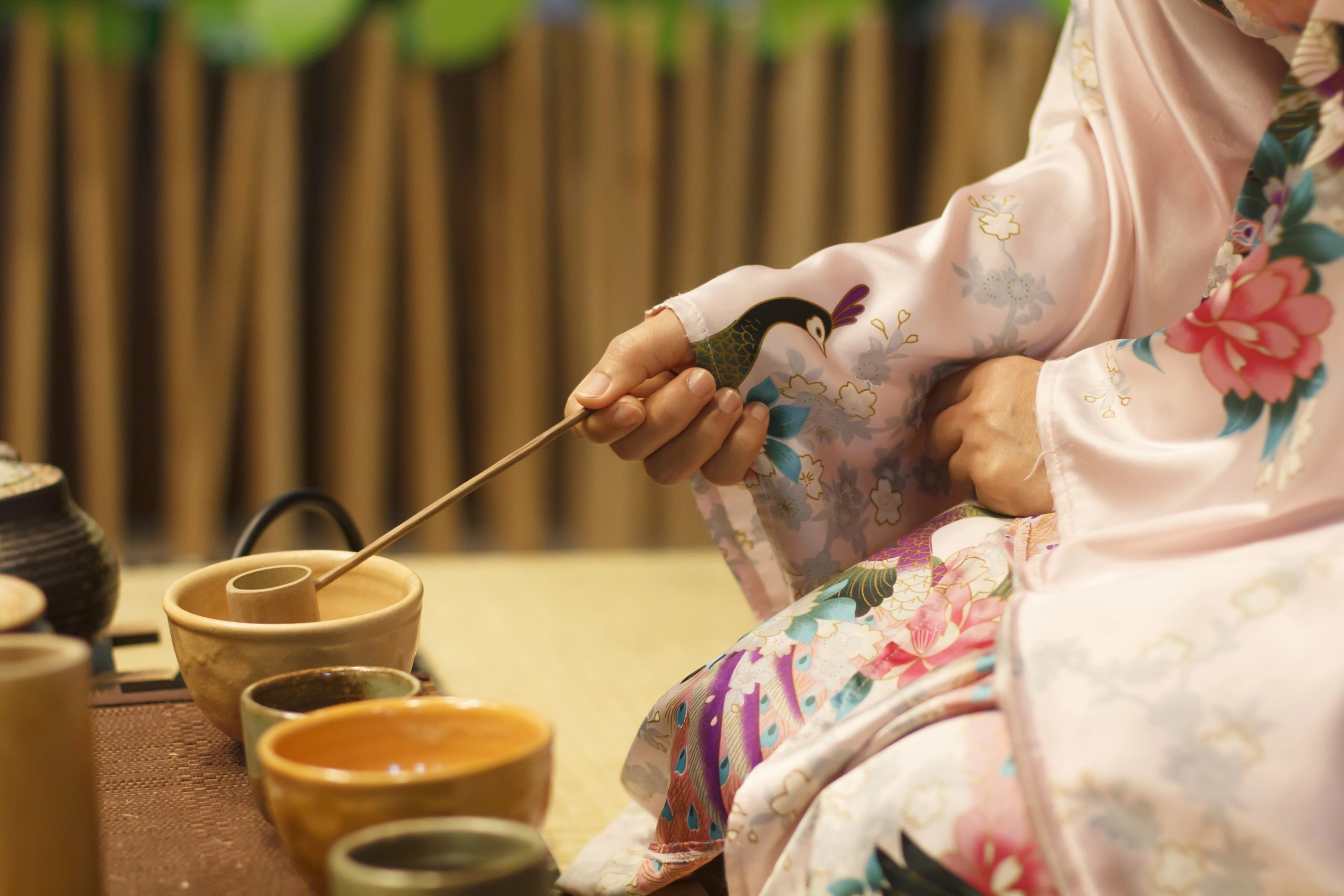
At Journey Beyond Travel, we design private, fully customized journeys through Japan. Each itinerary is shaped around your schedule, interests, and travel style. Some travelers want culinary deep dives. Others want architecture, contemporary art, tea culture, or long quiet walks through temple districts. Most want a thoughtful balance — the iconic highlights alongside places that feel discovered rather than checked off.
We build that balance carefully.
There is time to explore independently. There is also time with knowledgeable local guides when context transforms what you’re seeing. We layer in standout meals, meaningful experiences, and space to simply be in the country without rushing. The result is structured, but never rigid. Curated, but never over-programmed.
What kind of transportation do you use on your trips?
Japan is one of the easiest countries in the world to navigate by rail. Local trains, rapid lines, and the high-speed shinkansen connect cities with remarkable efficiency.
For daily transit, we provide a rechargeable IC card with every trip. This touch card works on local, rapid, and express trains, as well as most subway systems across the country. It can be topped up at station machines anytime funds run low.
An added convenience: IC cards also work at vending machines and many convenience stores, both inside stations and in residential neighborhoods.
In addition to rail travel, we arrange private airport transfers, baggage forwarding services between cities, and clear written instructions for every train journey so you always know exactly where you’re going and how to get there.
Do you recommend getting a Japan Rail (JR) Pass?
Please keep in mind that IC cards do not cover shinkansen (bullet trains) or limited express trains.
For those faster routes, you either purchase individual tickets or use a JR Rail Pass.
The JR Pass can be purchased for one, two, or three consecutive weeks and allows unlimited travel on JR lines nationwide, including most shinkansen routes, JR buses, and even the JR-West ferry to Miyajima. You simply show the pass at ticket gates and board.
Whether the pass makes financial sense depends entirely on your itinerary. Some routes justify it immediately. Others do not result in savings.
We calculate this carefully for you and advise accordingly.
Can I join a group tour of Japan with you?
We do not organize group tours. We focus on private journeys. That said, solo travelers are absolutely welcome. If we happen to know of another independent traveler open to sharing part of a journey, we are happy to introduce you. Most of the time, however, solo travel in Japan works beautifully on its own.
One practical note: Japan is not a low-cost destination, and traveling solo can be slightly more expensive without shared accommodation or transport costs. We plan accordingly and transparently.
When is the best time to travel in Japan?
Spring (late March through mid-June) and autumn (October through early December) are generally the most comfortable and visually striking seasons. They are also the most popular.
Quieter periods include June, the height of summer outside of Obon in mid-August, September, and December. January through March is considered low season in much of the country, though New Year brings several days when businesses temporarily close.
Golden Week (April 29–May 5) is best avoided for itinerary planning, as domestic travel surges dramatically.
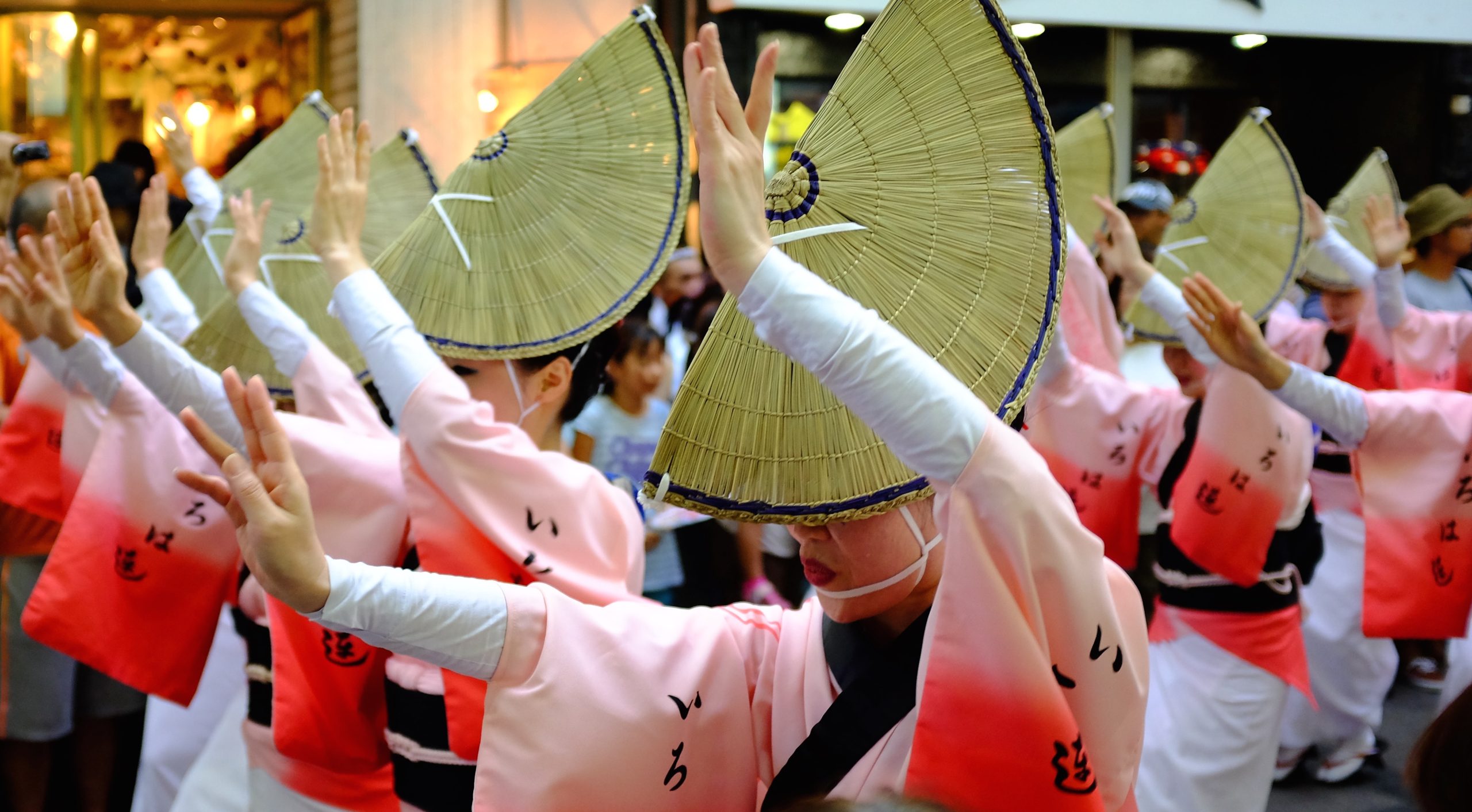
That said, Japan is compelling year-round. Summer brings large-scale traditional festivals. Winter offers exceptional snow sports in Hokkaido and the Japanese Alps. Every season carries its own atmosphere.
What is the weather like in Japan?
Japan experiences four distinct seasons, with two primary rainy periods: June (tsuyu, the rainy season) and September through early October, when typhoons occasionally pass through.
Spring begins in central Japan in March, typically cool and gradually warming through May. Cherry blossoms in Tokyo usually begin blooming in late March.
June is often overcast with intermittent rain, though sunny days appear between showers.
July through September can be intensely hot and humid, with temperatures in Tokyo ranging roughly from 23–38°C (73–100°F). Typhoons may occur in early autumn. While serious cases are rare, it’s wise to monitor forecasts during this period.
Autumn runs from early October through mid-December, offering cooler, stable weather. Winter spans mid-December through mid-March. The Pacific side is cold and dry with clear skies, while Hokkaido, the Sea of Japan coast, and the central mountains receive heavy snowfall. Okinawa, in contrast, maintains a subtropical climate year-round.
Up-to-date information on weather and earthquakes is available via the Japan Meteorological Agency and NHK World in multiple languages.
Do you recommend coming for cherry blossoms in spring or to see the changing leaves in autumn?
Cherry blossom season (hanami) and autumn foliage are Japan’s most famous seasonal draws. They are undeniably beautiful. They are also extremely busy.
Kyoto in peak bloom can feel crowded, and accommodations during these periods should be secured at least six months in advance.
If you’re committed to visiting during one of these seasons, we guide you toward lesser-known areas where you can experience the beauty with fewer crowds.
Where can I find a map of Japan and learn more about tourism in the country?
The Japan National Tourism Organization (JNTO) provides an interactive regional map with destination highlights and activity suggestions. It’s a useful starting point when orienting yourself geographically.
Is Japan a safe country to travel?
Japan consistently ranks among the safest countries in the world. Violent crime is rare, and public spaces are exceptionally clean and orderly.
Still, common sense applies. Drink spiking has been reported in certain nightlife areas, particularly parts of Roppongi and Kabukicho in Tokyo. Avoid following street touts into unfamiliar establishments and keep an eye on your drink.
Natural events are statistically more likely than crime. Earthquakes occur regularly, though most are minor. In the event of a major quake, drop low, protect your head and neck, and hold onto something stable.
Typhoons, landslides, volcanic activity, extreme summer heat, and heavy winter snowfall in northern regions are other environmental considerations.
Emergency numbers (link):
Police: 110
Ambulance/Fire: 119
English-language emergency assistance (24/7): 0120-461-997
Embassies can assist if you are not in immediate danger.
Should I purchase trip insurance for my Japan trip?
Yes.
We strongly recommend cancellation, interruption, and medical coverage for your trip. Once your journey is confirmed, we share insurance providers that previous clients have used and trusted.
Do I need a visa to enter Japan?
Citizens of 68 countries, including the US, Canada, UK, Australia, New Zealand, and most European nations, receive short-term visas on arrival, typically valid for 90 days. Certain countries may apply for extensions. For a full list of visa-exempt nations, visit here.
South African nationals must apply in advance at an embassy or consulate.
Your passport should be valid for at least six months beyond your entry date, and you must hold an onward ticket.
Always verify requirements based on your nationality before departure.
Do I need to tip in Japan?
No.
Tipping is not customary in Japan, even with exceptional service. Some upscale restaurants may add a 10% service charge or a seating charge ranging from ¥200 to ¥1,000.
One exception: at high-end ryokan, if service has been especially meaningful, you may leave a discreet cash tip in an envelope. It is appreciated but never expected.
Should I exchange money before arriving in Japan?
ATMs are widely available in major cities, especially at 7-Eleven (Seven Bank) machines, which are generally the most reliable for foreign-issued cards. Withdrawals will incur small fees.
Some ATMs may not accept overseas cards despite displaying major logos. In rural areas, ATMs are less frequent, so withdraw sufficient cash before heading into the countryside.
Currency exchange is available at major banks such as Mizuho, Mitsubishi UFJ, and Sumitomo Mitsui during weekday business hours (9am–3pm). Airport exchange counters are often the most convenient option upon arrival.
Where can I learn more about Japan travel?
For something comprehensive and thoughtfully written, we recommend the Moon Japan country guidebook or Moon Tokyo, Kyoto and Hiroshima. Both were written by our Japan destination expert and offer a nuanced understanding of the country that goes beyond surface-level sightseeing.
Online, Wikipedia is surprisingly useful if you’re looking for a thorough grounding in Japan’s history, geography, and cultural framework.
Wiki Travel presents similar information but through a more practical, traveler-oriented perspective. If you’re curious about heritage sites specifically, UNESCO’s website details Japan’s 25 properties listed as World Heritage Sites and explains why they matter.
For travel-focused browsing, the official portal of the Japan National Tourism Organization (JNTO) includes an interactive regional breakdown of the country along with destination highlights. The Japan Guide website is another strong resource — well organized, regularly updated, and especially helpful for understanding logistics between cities and regions.
At the same time, Japan can be deceptively complex to plan independently. Rail passes versus point-to-point tickets, seasonal timing, accommodation availability during peak periods, and the pacing between major cities and rural areas all require careful thought. Because of these unique challenges, we strongly encourage considering a customized journey.
If you’re curious what that could look like, reach out to us. We’re always happy to talk through ideas and explore how a bespoke trip through Japan might take shape around you.
Journey Beyond Travel World Collection Testimonials
Read what our clients are saying about our tours. We work endlessly to ensure that those who travel with our team have an unparalleled experience. Take a look at the reviews of our private trips. And, if you’d like to talk to one of our past travelers, just let us know!
“Our Spain journey with JBT was even better than we imagined, the perfect complement to our Morocco adventure. From seamless planning in Madrid to Andalusia’s beauty, every detail was cared for. We adored our city guides, and our driver Jebril welcomed us into his home for a delicious couscous meal — a memory we’ll treasure forever. The special touches from Amina and Lucas, from homemade gifts to sharing lunch together, made us feel like family. Truly, it was one of the best trips of our lives, and we can’t wait to explore more of the world with JBT!”
The Durants
“Our Italy trip with JBT was absolutely unforgettable. From the moment Alexei crafted our detailed, personalized itinerary — even pulling off a last-minute hot air balloon ride for my niece — we knew we were in the best hands. Each day was filled with extraordinary experiences, from private tours of Rome and Florence’s greatest treasures to a pasta-making class and a Chianti winery lunch. Our guides were exceptional, our hotels perfectly located and welcoming, and every driver and detail seamless. JBT once again exceeded my expectations, and I wouldn’t hesitate to turn to them for future adventures anywhere in the world!”
Judy F.
“Our Japan adventure with JBT was nothing short of epic! The itinerary they crafted was so thoughtfully designed — from a serene start in Hakone to the journey through ancient traditions and modern wonders — and the variety of lodging, from ryokans to a Kyoto townhouse to a glamping tent, made it truly unforgettable. The train instructions were flawless, and having Yuka as our guide and new friend was a gift. After two incredible journeys with JBT, we can honestly say you are the best!”
Kelley and Steve

Proud Members of ATTA

Eco-Tourism Provider
