
Zanzibar: Island of Spices & Stories
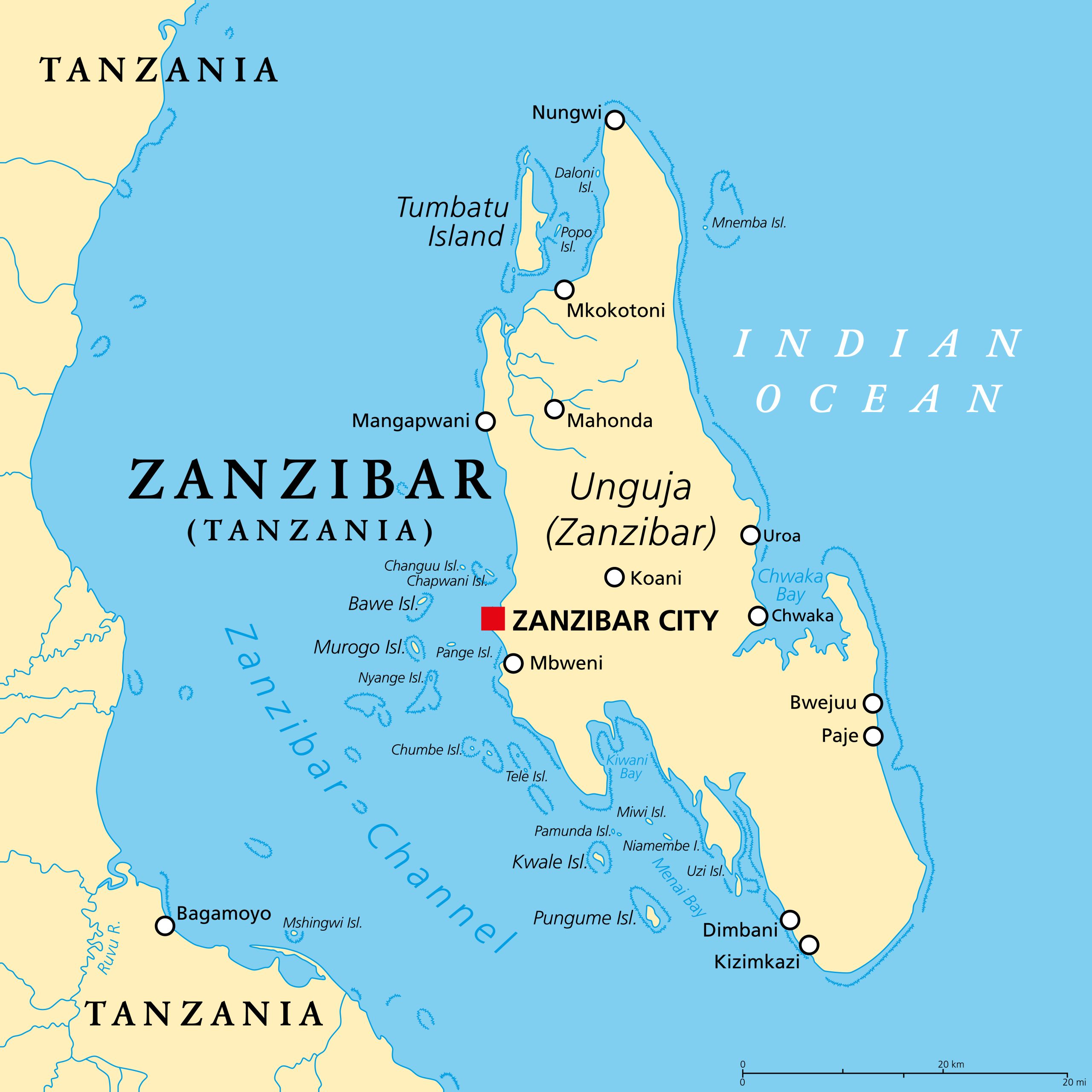
The itinerary below is an example of what we can create and can serve as a base for your own customized journey. Prices vary by season, availability, and group size, with final costs confirmed based on travel dates and itinerary design.
Signature
Classic Itinerary with 3/4-star accommodation- Everything outlined in the boutique package with signature accommodation
Boutique
Classic itinerary with 4-star accommodation.- Itinerary creation
- Airport transfers (arrival and departure)
- Public Charter Flights
- Accommodation as outlined in the itinerary
- Private game drives with professional driver guides
- Meals as indicated in the itinerary
- Scheduled flights and transfers as outlined
- Guided sightseeing and excursions
- National park and conservation fees
- Emergency medical evacuation coverage (AMREF Flying Doctors)
- Dedicated journey support throughout
- Flights and insurance not included
Boutique Plus
Classic Itinerary with 4/5-star accommodation- Everything outlined in the boutique package with boutique plus accommodation
- Private Charter Flights
- VIP arrival and departure lounge
- Driver (optional)
Pricing shown is an estimate. Prices will vary according to season, exchange rate, and other factors. Our tours are all private. Feel free to contact us with any questions you may have.
Check Out the Full Itinerary
The exact location of your stay within the Serengeti may vary depending on the time of year, as the Great Migration moves across the ecosystem — typically in the southern plains from January to March, the western and central regions from April to June, and the northern Serengeti between July and October. Your itinerary is adjusted accordingly to ensure the best possible wildlife experience.
DAY 1
Dinner
Your journey begins as the Indian Ocean comes into view through the aircraft window — a sweep of turquoise and deep blue that signals arrival at one of East Africa’s most storied destinations. After clearing customs at Abeid Amani Karume International Airport, you are welcomed and transferred to your hotel in Stone Town, the ancient heart of Zanzibar City.
Stone Town is a UNESCO World Heritage Site, and its character is immediately apparent. Narrow coral-stone lanes wind between centuries-old buildings whose carved wooden doors — ornate, brass-studded, and built to announce the wealth of their owners — open onto a world shaped by Arab traders, Persian merchants, Indian craftsmen, and African communities who together created something entirely its own.
The first evening is left unhurried. After a long journey, this time is for settling in, for breathing the salt air drifting off the harbor, and for beginning to absorb a place that rewards slow attention rather than rushed discovery.
Dinner is served at your hotel or a nearby restaurant where the flavors of Zanzibar cuisine — coconut, tamarind, clove, and cardamom woven through grilled seafood and slow-cooked stews — offer a quiet introduction to the island’s remarkable culinary identity. Tomorrow the deeper exploration begins.
DAY 2
Breakfast, Lunch, Dinner
After breakfast, you begin a guided walking exploration of Stone Town with a local guide whose family has lived in these lanes for generations. This is not a surface-level tour. It is an unhurried passage through history — through the old Arab Fort, the former Sultan’s Palace, the Anglican Cathedral built on the site of the last great slave market in East Africa, and the warren of residential alleys where children play beneath laundry lines and the call to prayer drifts from minarets above.
The story of Zanzibar is a story of convergence. Traders from Oman established a Sultanate here in the 18th century. Indian merchants arrived and shaped the commercial life of the island. The Swahili culture that emerged — its language, its architecture, its music — is one of Africa’s great cultural syntheses, and Stone Town is its living archive.
After lunch at a local café, the afternoon is dedicated to a visit to a working spice farm in the interior of the island. Zanzibar was once the world’s leading producer of cloves, and the air in these gardens carries something thick and sweet. A local farmer guides you through the plantation, identifying nutmeg, vanilla, cinnamon, lemongrass, and black pepper growing in close proximity — each one connected to a history of trade, colonialism, and cultural exchange that shaped the modern world.
As evening falls, you make your way to the Forodhani Gardens on the waterfront, where the nightly food market transforms the seafront into a gathering place. Smoke rises from charcoal grills. Vendors offer Zanzibar pizza, grilled lobster, sugarcane juice, and Urojo — the tangy, complex soup known locally as Zanzibar mix. This is dinner, taken slowly, in the open air, at the edge of the Indian Ocean.
DAY 3
Transport (1 hour), Breakfast, Lunch, Dinner
After breakfast, you depart Stone Town and travel north along the coast toward Nungwi, a fishing village at the island’s northern tip where the craft of traditional dhow building has been practiced without interruption for centuries.
The road passes through the island’s interior — through small villages, banana plantations, and stands of coconut palms — before the sea reappears, wide and blue, as you approach the north coast. Nungwi sits at the point where the Indian Ocean meets the Zanzibar Channel, and the light here has a particular quality, bright and clean, that photographers and painters have long sought out.
Upon arrival, you meet local master craftsmen at the dhow yard, where wooden boats are built entirely by hand using techniques passed down through generations. These vessels — used for fishing, for inter-island trade, for the slow movement of goods along the Swahili Coast — are constructed without formal plans, guided only by knowledge held in the hands and memory of the builders. It is a remarkable thing to witness.
After lunch at a locally owned restaurant, the afternoon offers time to walk the village, visit with fishing families, and understand the rhythms of a community whose life remains closely tied to the sea. Nungwi’s beach is one of the few on the island where the tide does not fully recede, making it a place where boats can always launch — and where the pace of life reflects that constant relationship with the water.
Dinner is served at your accommodation, where the day’s encounters settle quietly into memory.
DAY 4
Transport (1 hour), Breakfast
The final morning is intentionally light. After breakfast, you return toward Stone Town and the airport, with time depending on your flight to linger once more in the lanes, to revisit a favorite doorway, to sit with a cup of spiced coffee and watch the harbor.
Zanzibar does not reveal itself all at once. The island’s depth — its complicated history, its layered cultures, the warmth and pride of its people — continues to surface long after departure, in small details remembered and in questions that form slowly.
You are transferred to the airport for your onward journey, carrying with you the particular texture of a place that has been shaped by the meeting of worlds, and that has never stopped being shaped by it.

Proud Members of ATTA

Eco-Tourism Provider