
Eclectic Japan
Highlights & Hidden Delights
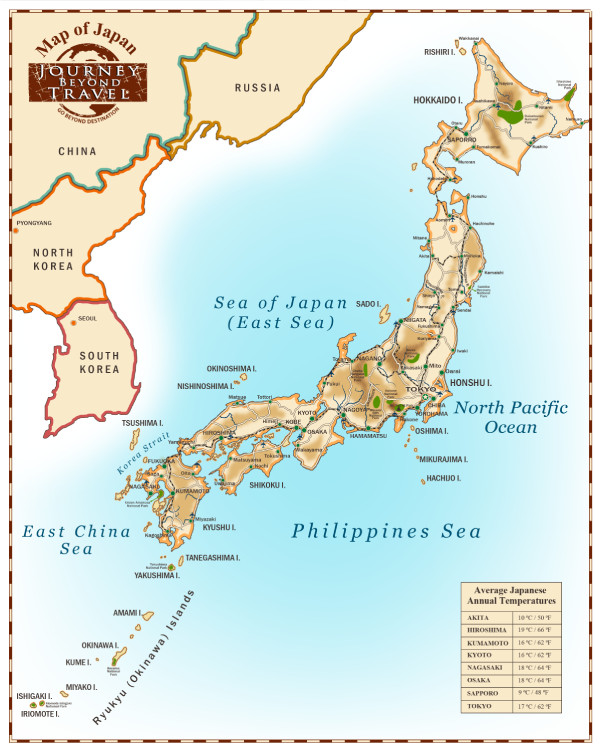
The itinerary below is an example of what we can and have put together. We can use this as a base for your own customized journey.
Signature
Eclectic Route with 3/4-star accommodation- Everything outlined in the boutique package with signature accommodation
Boutique
Eclectic Route with 4-star accommodation.- Airport transfers and detailed transportation guidance
- All breakfasts; lunches and dinners where indicated
- Handpicked high-quality boutique ryokans
- Guided visits of Tokyo, Kyoto, Osaka and Hiroshima
- Cultural experiences, culinary deep-dives, optional walks, and local encounters
- Tailored pre-departure packets alongside our dedicated, personalized support
- Add-on activities including cooking workshops, food and drink tours, and extensions to the Nakasendo Trail, Nara, Naoshima, Koya-san available. Flights, insurance, monument fees, and beverages not included
Boutique Plus
Eclectic Route with 4/5-star accommodation.- Everything outlined in the boutique package with boutique plus accommodation
Pricing shown is an estimate. Prices will vary according to season, exchange rate, and other factors. Our tours are all private. Feel free to contact us with any questions you may have.
Check Out the Full Itinerary
Day 1 – Arrive in Tokyo
Airport Transfer, Dinner
You arrive into Tokyo — either Haneda or Narita — and feel that familiar long-haul mix of excitement and soft-edged fatigue. We keep today deliberately light: a private transfer, a calm check-in, and time to let Japan meet you gently rather than all at once. Tokyo can be loud in reputation, but your first hours can be quiet if you let them. Depending on where you’re staying — Shinjuku, Shibuya, or near Tokyo Station — you might take a short neighbourhood walk simply to orient: vending machines humming, bicycle bells, the scent of grilled skewers drifting out of a tiny doorway you’d miss if you blinked. If you’re hungry, dinner is close and easy — something warm, restorative, uncomplicated. A bowl of ramen, a simple set meal, a first taste of Japanese precision that somehow still feels human. If energy allows, step outside after dinner and notice the city’s rhythm: the clean choreography of crossings, the way people move with purpose without pushing, the quiet courtesy embedded in small gestures. Tonight isn’t about “doing” Tokyo. It’s about arriving well — shower, sleep, and a deep exhale. Tomorrow, the city opens properly. Today, you land.
Day 2 – Tokyo (Eastern Side)
Breakfast, Dinner
This morning, Tokyo introduces its older face — the one that still holds onto incense and river air. You begin in Asakusa, where Senso-ji draws you in through its gate and into a lively approach of small stalls, paper lanterns, and snack steam rising into the morning. Even with people around, there’s something grounding here: the sound of footsteps, the scent of sandalwood, the sense that ritual is still part of daily life. From Asakusa, you shift toward Ueno, where Tokyo’s cultural spine runs through park paths and museum halls. At the Tokyo National Museum, the story deepens — textiles, ceramics, armour, calligraphy — not as a timeline to memorise, but as a way to recognise what you’ll keep seeing across the country: restraint, craftsmanship, and an almost reverent attention to detail. The afternoon can lean modern if you want it to. Akihabara is optional, but it’s a fascinating contrast — neon, electronics, gaming culture, and a very specific kind of Tokyo intensity. Or you can keep it slower: coffee, wandering, a few small shops, a long lunch. Dinner is wide open, and that’s part of the magic. Tokyo rewards appetite — whether it’s sushi kept minimalist, a tucked-away izakaya, or something you point at on a menu and discover by trust.
Day 3 – Tokyo (Western Side)
Dinner, Food & Drink Tour
Today carries you through Tokyo’s most iconic contrasts — sacred calm, design-forward streets, and nightlife that feels like a hidden city inside the city. You start at Meiji Jingu, where the forested approach muffles the noise and the air shifts noticeably cooler. It’s a reset button: gravel underfoot, tall trees, the sense of space. From there, Tokyo turns playful in Harajuku’s side streets — not the headline crowd if you avoid the obvious artery, but the small lanes where style becomes detail: vintage shops, tiny galleries, a café that feels like a set piece. You walk down Omotesando, where architecture becomes part of the experience and brands sit like art installations, and then into Aoyama for the Nezu Museum garden — one of those places that feels almost unreal, a pocket of moss and stone that makes you forget you’re in one of the world’s biggest cities. Later, Shibuya brings the pulse back. If you want the view, Shibuya Sky delivers — the city laid out like circuitry beneath you. Dinner is best in Ebisu, where izakaya culture feels both local and welcoming: shared plates, cold beer, conversation that loosens as the evening settles in. Then you finish in Shinjuku — not for spectacle, but for texture: Golden Gai’s narrow alleys, bars with six seats and a personality, and that unmistakable Tokyo feeling of being surrounded by people yet moving through your own private night.
Day 4 – Tokyo (Free Day)
Breakfast
Today is yours — and Tokyo is generous when you follow curiosity rather than a checklist. You might dress up slightly and lean into theatre: Kabuki in Ginza is a cultural plunge, equal parts tradition and theatrical intensity. Or you might go the other direction entirely and choose Yanaka, where Tokyo feels older, lower, more lived-in — quiet streets, small temples, cats in doorways, neighbourhood life unfolding without performance. If you’re drawn to design and local rhythm, Kichijoji is a favourite: green spaces, good shops, and the possibility of the Ghibli Museum if tickets align (it’s wonderfully imaginative, and also very controlled — a reminder that Japan does whimsy with discipline). Shimokitazawa offers a different kind of day: independent boutiques, vinyl stores, tiny live venues, and a creative energy that feels more intimate than Tokyo’s big districts. This is also the day to linger: a long coffee, a bookshop, a slow lunch where you watch the room. Tokyo isn’t only about scale — it’s about micro-worlds. Let yourself have one. As evening approaches, choose dinner like a local might: not “the best restaurant,” but the one that looks warm, busy, and honest. Tonight, the only rule is this: leave space for discovery.
Day 5 – Hakone
Transport (approx. 1.5–2 hrs), Breakfast, Dinner
You leave the city behind and watch the landscape soften as you travel toward Hakone — a place that feels designed for exhale. The journey is part of the transition: Tokyo’s density gives way to hills and a slower tempo, and by the time you arrive, your shoulders usually drop without being asked. You check into a traditional ryokan, where the experience is as much about how you live for the next twenty-four hours as what you see. Shoes off. Quiet hallways. Sliding doors. A sense of care in the smallest details. The afternoon is intentionally unstructured: soak in the onsen, let heat do what it does best, and give your body permission to arrive fully in Japan. Wearing a yukata isn’t performance here — it’s comfort, and it signals that you’ve stepped into a different rhythm. If you want a short wander, Hakone offers easy nature moments — a view, a breeze, a glimpse of mountains — but there’s no pressure to “do.” This is the day where doing less makes everything else feel richer. Dinner is kaiseki: seasonal, beautifully paced, local ingredients presented with elegance that never feels loud. You don’t rush it. You let it unfold. After dinner, one more soak if you like, then early sleep. Hakone is a hinge in the journey — the reset that makes the days ahead feel smoother and deeper.
Day 6 – Hiroshima
Transport (approx. 4–4.5 hrs), Breakfast
This is a longer rail day, but it’s one of the most meaningful transitions in the itinerary. You board the shinkansen and watch Japan’s geography change — cities thinning into countryside, then rebuilding into something new again — until you arrive in Hiroshima. The tone here is different: quieter, more reflective, and deeply human. With a local guide, you visit Peace Memorial Park and the Peace Memorial Museum, not as a box to tick but as a place to understand. The experience is sobering, yes, but it’s also about resilience — how a city carries memory while choosing life, rebuilding not with amnesia but with intention. Your guide helps translate not just the history, but the cultural context: how remembrance is held, how stories are told, and why Hiroshima matters beyond the headline. Afterward, you’ll likely want air and space. A slow walk, a quiet tea, something simple. Dinner is on your own tonight, and Hiroshima-style okonomiyaki is the classic — layered, hearty, made in front of you, and perfect for re-entering the world through flavour and warmth. The evening is unforced. Some travellers want conversation; others want silence. Both are right.
Day 7 – Miyajima
Transport (approx. 40 min), Breakfast
Today is a change of texture — salt air, ferry rhythm, and a kind of sacred calm that feels built into the landscape. You travel by train and ferry to Miyajima Island, where the shoreline carries a ceremonial quality and the pace naturally slows. Itsukushima Shrine is the anchor — famous for its torii that appears to float at high tide — but what makes it special is the setting: water, mountains, and a sense that nature and culture are in conversation. You explore gently, letting the island lead. Daisho-in Temple adds atmosphere in layers — lanterns, stone steps, small statues, quiet corners that reward attention. Lunch is on your own, best by the water or in the town centre, where you can sample local specialties and simply watch life pass. In the afternoon, you take the ropeway up Mount Misen, then walk toward the summit for views over the Seto Inland Sea. The air feels cleaner up here, and the perspective changes — islands scattered like brushstrokes, boats moving quietly below. You return to Hiroshima in the late afternoon, carrying that particular Miyajima feeling: light, timeless, and quietly profound. Evening at leisure.
Day 8 – Himeji & Osaka
Transport (approx. 1.5 hrs), Breakfast, Street Food Tour
You travel east today with a perfect mid-journey contrast: the elegance of feudal Japan in the morning, and Osaka’s playful appetite by night. First stop is Himeji Castle — Japan’s best-preserved fortress, pale and poised, often called the White Heron for the way it seems to lift above the grounds. Walking through its wooden corridors and layered design gives you a visceral sense of how beauty and defence once worked together. After lunch, you continue on to Osaka. The mood shifts quickly: warmer, louder, more direct. Osaka doesn’t pretend to be refined — it’s proud of its street life, its humour, its food-first identity. The afternoon is free to settle in: relax at the hotel, wander, or head up to Abeno Harukas for a broad view of the city’s sprawl. In the evening, you join a guided street-food tour through Minami — Osaka’s most delicious neighbourhood for this kind of exploration. Expect takoyaki, kushikatsu, and the joy of eating where locals actually eat. After dinner, the best Osaka moments tend to happen in the backstreets of Ura-Namba — small bars, easy conversation, and a night that feels effortlessly alive.
Day 9 – Kyoto
Transport (approx. 20–30 min), Breakfast, Dinner
You leave Osaka behind and arrive in Kyoto — a short transfer, but an enormous tonal shift. Kyoto is quieter in the way it holds itself, and your first hours are about tuning your senses to that slower frequency. After check-in — ideally downtown for convenience, or near Gion/Higashiyama for atmosphere — you take the day as it comes. Depending on arrival time and energy, you might begin with a simple walk rather than a formal visit: along the Kamo River, through back lanes where wooden facades and small shrines appear without announcement, or into a neighbourhood café that feels like it has been there forever. Kyoto’s magic is often found between the “sights,” in the way light falls on stone, in the sound of footsteps on narrow lanes, in the quiet order of a temple gate half-open. This is a good day to recalibrate: unpack, reset, and let the city come to you. Dinner this evening keeps things grounded — seasonal, unforced, and close to your hotel. If you do go out after, keep it gentle. Lantern-lit streets have a particular romance here, especially around Pontocho, where Kyoto feels like it’s speaking in whispers. Tomorrow, the classic walks begin. Tonight, you settle.
Day 10 – Kyoto (Higashiyama & Downtown)
Breakfast, Dinner
Today unfolds best on foot, at a pace that matches Kyoto’s temperament. You begin in northern Higashiyama at Ginkaku-ji — the Silver Pavilion — where the beauty is subtle, restrained, almost meditative. From there, you follow the Philosopher’s Path south, a walk that invites reflection even if you’re not trying to be reflective. The canal, the trees, the small turns — it’s a gentle thread through the city. You pause at Honen-in, with mossy grounds that feel like a secret, then continue to Nanzen-ji, a major Zen complex with enough space to wander without being rushed. Lunch is on your own near Nanzen-ji, and Kyoto does this well: small, quiet places where the food is precise and the room feels calm. In the afternoon, you continue through southern Higashiyama — Chion-in and Maruyama Park, then up through stone lanes toward Kiyomizu-dera. The climb is part of the experience; the reward is the view, Kyoto spreading out beneath you, layered and calm. Afterward, you return to the hotel to rest — Kyoto days are deceptively full because walking here carries so much texture. Dinner downtown, then an evening stroll through Pontocho, where lantern light and narrow alleys feel timeless.
Day 11 – Departure from Japan
Your journey comes to a close today.
Depending on your flight time, use the remaining hours intentionally. This is your window for last-minute shopping, one final bowl of ramen, a quiet coffee in a neighborhood café, or a short walk through whichever part of Tokyo you’ve grown attached to.
You’ll depart from either Haneda or Narita International Airport. Plan to arrive at least three hours before your flight to move smoothly through check-in and customs.
Then it’s wheels up — carrying home everything you’ve seen, eaten, and absorbed over the past eleven days.

Proud Members of ATTA

Eco-Tourism Provider
