
Ultimate Kenya
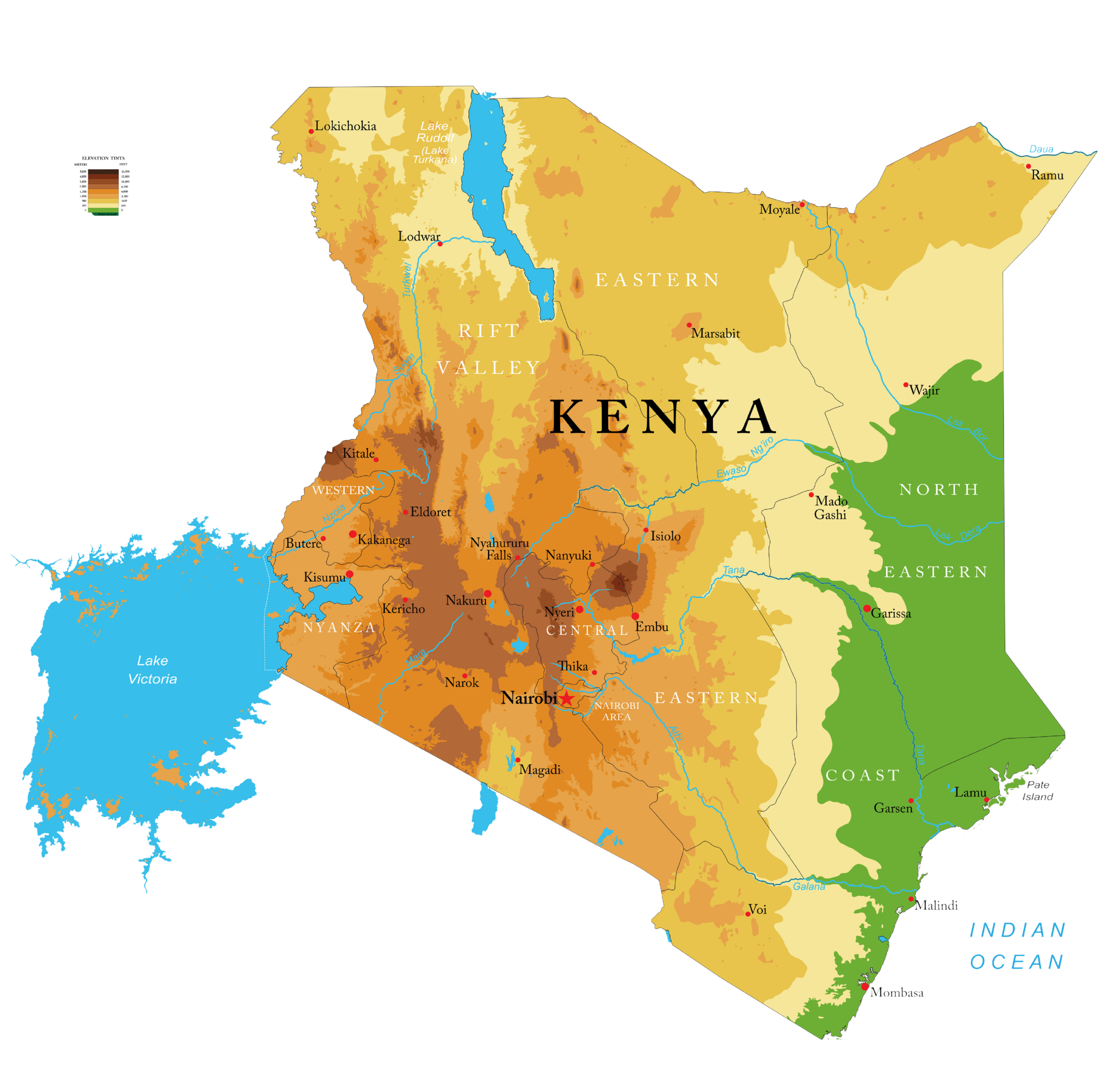
The itinerary below is an example of what we can create and can serve as a base for your own customized journey. Prices vary by season, availability, and group size, with final costs confirmed based on travel dates and itinerary design.
Signature
Classic Itinerary with 3/4-star accommodation- Everything outlined in the boutique package with signature accommodation
Boutique
Classic itinerary with 4-star accommodation.- Itinerary creation
- Airport transfers (arrival and departure)
- Public Charter Flights
- Accommodation as outlined in the itinerary
- Private game drives with professional driver-guides
- Meals as indicated in the itinerary
- Scheduled flights and transfers as outlined
- Guided sightseeing and excursions
- National park and conservation fees
- Emergency medical evacuation coverage (AMREF Flying Doctors)
- Dedicated journey support throughout
- Flights and insurance not included
Boutique Plus
Classic Itinerary with 4/5-star accommodation- Everything outlined in the boutique package with boutique plus accommodation
- Private Charter Flights
- VIP arrival and departure lounge
- Driver (optional)
Pricing shown is an estimate. Prices will vary according to season, exchange rate, and other factors. Our tours are all private. Feel free to contact us with any questions you may have.
Check Out the Full Itinerary
The exact location of your stay within the Serengeti may vary depending on the time of year, as the Great Migration moves across the ecosystem — typically in the southern plains from January to March, the western and central regions from April to June, and the northern Serengeti between July and October. Your itinerary is adjusted accordingly to ensure the best possible wildlife experience.
Day 1 – Arrive in Nairobi
Airport Transfer
You arrive in Nairobi, Kenya’s capital and the natural gateway to East Africa’s great wildlife landscapes. After clearing customs, you’re met at the airport and transferred to your hotel in a leafy residential neighborhood just outside the city center, with wide gardens, old trees, and quieter pace.
The drive itself offers a first glimpse of the city’s rhythm. Nairobi moves with a certain energy—busy streets, roadside fruit stalls, motorcycles weaving through traffic, and jacaranda trees lining the avenues when in bloom. It’s a city that balances modern life with proximity to wild landscapes in a way few capitals in the world do.
Today is intentionally simple. Long-haul travel stretches time in strange ways, and the most satisfying way to begin a journey like this is to let the body arrive before asking anything of it. Check in, unpack slowly, and allow yourself to settle. You can step outside for a slow evening walk and feel the air cool as the sun sets, birds settle into the trees, and the city begins to soften around the edges.
Dinner tonight is best kept easy and unhurried. Tomorrow the journey begins properly.
Day 2 – Nairobi
Breakfast
Your first full day introduces a surprising truth about Nairobi: wildlife exists almost alongside the city itself.
Early this morning, you head into Nairobi National Park, one of the only national parks in the world located directly beside a capital city. Within minutes of entering the park, the urban skyline fades behind open grasslands and scattered acacia trees. Giraffes move slowly through the landscape, buffalo graze across the plains, and if luck is with you, lions or rhinos may appear against the soft morning light.
The contrast is unforgettable. Few places allow you to watch wild animals roam freely with the distant outline of a city rising along the horizon.
Later in the morning, you visit the Sheldrick Wildlife Trust, one of Kenya’s most respected conservation organizations. Here, orphaned elephants rescued from across the country are raised and rehabilitated before eventually returning to the wild. Watching the young elephants feed from oversized bottles, splash through mud, and follow their keepers offers a rare glimpse into the human effort behind wildlife conservation.
The afternoon continues with a visit to the Giraffe Centre, where endangered Rothschild giraffes approach gently to be fed from raised platforms. Up close, their quiet curiosity and enormous height make the experience feel both playful and surprisingly peaceful.
From there, you continue to the Kazuri Beads Workshop, where local artisans craft handmade ceramic beads and pottery. The workshop is both a craft studio and a social enterprise, providing employment and training for women in the surrounding communities.
By the time evening arrives, Nairobi begins to feel less like a starting point and more like an introduction to Kenya itself—a place where conservation, culture, and everyday life intersect in meaningful ways.
Day 3 – Nairobi to Lolldaiga Conservancy
Transport (Approx. 4 hours), Breakfast, Lunch, Dinner
This morning you leave the city behind and travel north into the highlands of Laikipia, one of Kenya’s most remarkable wildlife regions.
The drive gradually reveals a changing landscape. Urban neighborhoods give way to farmland, roadside markets appear along the highway, and distant mountains begin to rise along the horizon. The air cools slightly as the road climbs into higher terrain, and the countryside opens into wide valleys dotted with acacia trees.
Laikipia is known for its private conservancies, large protected areas where wildlife conservation works alongside community initiatives and low-impact tourism. Compared to Kenya’s busier national parks, the experience here often feels quieter and more flexible.
You arrive at Lolldaiga Conservancy, a vast protected landscape where rolling hills stretch across the horizon and wildlife moves freely through the plains. Your home here is a safari camp designed to feel immersed in the surrounding wilderness.
After settling in, the first safari activity begins. Afternoon game drives explore the conservancy in vintage Land Rovers, moving slowly through open terrain while guides track wildlife across the landscape.
As the sun lowers, the light changes dramatically. The hills glow gold, long shadows stretch across the grasslands, and the temperature begins to cool.
Sundowners overlooking the plains mark the beginning of a safari ritual you’ll come to appreciate throughout the journey: pausing to watch the day end while the wilderness settles around you.
Dinner follows beneath a sky scattered with stars.
Day 4 – Lolldaiga Conservancy
Breakfast, Lunch, Dinner
Your first full day in Lolldaiga begins early, when the African bush is at its most alive.
Morning game drives set out shortly after sunrise. The light spreads slowly across the hills while wildlife becomes active in the cool morning air. Antelope move through the grasslands, giraffes browse from the tops of acacia trees, and elephants occasionally appear along distant ridgelines.
Because Lolldaiga is a private conservancy, the safari experience here feels especially flexible. Vehicles are not limited to fixed routes, allowing guides to follow wildlife movements more naturally across the terrain.
Later in the day, the experience shifts from vehicles to a slower pace on foot. Walking safaris reveal a completely different perspective on the bush. Animal tracks pressed into the dust, birds hidden among thorn trees, and plants used in traditional medicine all become part of the landscape’s story.
You may also visit ancient rock art sites scattered across the conservancy—quiet reminders that people have moved through these valleys for thousands of years.
Afternoons unfold gently. A bush picnic beneath scattered acacia trees or time to relax back at camp allows the day to breathe between activities.
As evening approaches, another game drive leads into sunset. The sky softens into deep oranges and purples while wildlife becomes active again in the cooling air.
Dinner at camp closes the day beneath a vast African sky, where the quiet of the conservancy settles in after dark.
Day 5 – Lolldaiga Conservancy
Breakfast, Lunch, Dinner
By now the rhythm of Lolldaiga Conservancy begins to feel familiar. Mornings arrive quietly across the hills, the air still cool as the first light spreads slowly across the landscape. The bush wakes in stages—birds calling from acacia trees, antelope moving through the grasslands, and distant wildlife stirring as the sun climbs above the horizon.
Morning game drives set out shortly after sunrise, when animals are most active. Your guides move patiently through the conservancy’s rolling terrain, reading the subtle signals of the bush—fresh tracks pressed into the earth, distant alarm calls from birds, or the movement of grazing herds along the valleys.
Lolldaiga’s landscape feels wide and open, a series of gentle hills and plains where wildlife moves naturally through the terrain. Elephants, giraffes, and herds of antelope are commonly seen here, while predators occasionally appear along the ridgelines that overlook the valleys below.
Later in the day, you may explore a quieter corner of the conservancy on a guided walking safari. Experiencing the bush on foot changes the scale entirely. Details that might be missed from a vehicle—animal tracks, insects, birds, and the scent of wild plants—suddenly become part of the landscape’s story.
Lunch might be served as a bush picnic, set beneath scattered acacia trees where the surrounding wilderness stretches uninterrupted in every direction.
As evening approaches, another game drive leads into sunset. The hills soften into warm shades of gold and amber while wildlife begins to move again in the cooling air.
Back at the camp, dinner is served beneath a sky filled with stars. Afterward, the night continues with an optional night game drive, revealing the quieter world of the bush after dark—when nocturnal animals begin to emerge and the landscape feels completely different under the African night sky.
Day 6 – Lolldaiga Conservancy to Il Ngwesi Conservancy
Transport (Approx. 2–3 hours), Breakfast, Lunch, Dinner
This morning you leave Lolldaiga Conservancy and travel deeper into the Laikipia region, where the landscape gradually shifts from rolling highland plains to more rugged and remote terrain.
The drive itself is part of the experience. The road winds through open countryside and small communities before climbing toward the dramatic hills of Il Ngwesi Conservancy, a community-owned conservation area known for its commitment to protecting both wildlife and local livelihoods.
Compared to other safari destinations, Il Ngwesi feels wonderfully remote. The terrain is wilder here—rocky ridges, open plains, and distant mountain views stretching toward the horizon.
Your home for the next few days is Il Ngwesi Eco-Lodge, perched along a rocky ridge with sweeping views across the surrounding landscape. The lodge was built and is operated by the local community, making it one of Kenya’s most inspiring examples of conservation working directly alongside community development.
After settling in, the afternoon begins with a game drive through the conservancy. Wildlife moves freely through this region, and sightings often include elephants, giraffes, and a variety of antelope species.
As the sun lowers toward the hills, the landscape takes on a warm golden glow. Sundowners overlooking the plains offer a perfect moment to pause and absorb the vastness of northern Kenya.
Dinner is served back at the lodge, where the quiet of the surrounding wilderness settles in once darkness falls.
Day 7 – Il Ngwesi Conservancy
Breakfast, Lunch, Dinner
A full day in Il Ngwesi Conservancy reveals a landscape that feels both wild and deeply connected to the people who live here.
Morning activities begin early with a game drive across the conservancy’s open terrain. The environment here supports a remarkable diversity of wildlife, and because the area is protected by the local community, animals move freely across large stretches of land.
One of the most rewarding ways to experience Il Ngwesi is on a guided walking safari. Walking through the bush brings a completely different perspective. Your guide explains how to read the landscape—recognizing animal tracks, identifying plants used in traditional medicine, and understanding how wildlife and people have coexisted in this region for generations.
You may also visit a nearby community manyatta, where local Samburu families share insights into their culture, traditions, and daily life. These visits offer a rare opportunity to understand the human side of conservation and the ways communities play a central role in protecting wildlife across northern Kenya.
Later in the afternoon, the pace slows. Perhaps you return to the lodge for time to relax and enjoy the sweeping views across the plains, or set out again on a game drive as the day begins to cool.
Evenings in Il Ngwesi feel wonderfully quiet. With little artificial light nearby, the night sky becomes one of the most remarkable sights of all.
Day 8 – Il Ngwesi to Samburu
Transport (Approx. 3 hours), Breakfast, Lunch, Dinner
Today the journey continues north toward the dramatic landscapes of the Samburu region.
The terrain gradually changes as you travel. The rolling hills of Laikipia give way to a drier environment shaped by rocky outcrops, sandy riverbeds, and scattered acacia trees. This northern landscape feels vast and untamed, stretching far toward the horizon.
Samburu is known for wildlife species rarely seen in other parts of Kenya. Grevy’s zebra, reticulated giraffe, and Somali ostrich are among the distinctive animals that inhabit this region, each uniquely adapted to the arid environment.
Your lodge sits within a protected conservancy where wildlife conservation plays a central role. After arriving and settling in, the afternoon introduces you to the landscape with a game drive across the surrounding plains.
The wildlife here often gathers along dry riverbeds and open valleys, where animals search for water and shade in the heat of the day.
As the sun begins to set, the hills and plains glow with warm colors while the air gradually cools. Returning to camp, the evening unfolds slowly with dinner under the open sky and the quiet sounds of the bush settling into night.
Day 9 – Samburu Conservancy
Breakfast, Lunch, Dinner
A full day in Samburu Conservancy reveals a landscape that feels strikingly different from the greener regions further south. Here the terrain is shaped by dry riverbeds, rocky hills, and wide open plains where acacia trees stand scattered across the horizon.
Morning game drives begin early, when the air is still cool and wildlife gathers near the Ewaso Nyiro River, the lifeline of the region. Elephants often move in large family groups along the riverbanks, digging in the sand for water, while antelope graze along the edges of the surrounding plains.
Samburu is particularly known for what guides call the “Samburu Special Five”—species that are rarely seen elsewhere in Kenya. Among them are the striking Grevy’s zebra, the tall reticulated giraffe, the long-necked gerenuk, and the unusual Somali ostrich. Seeing these animals against the stark northern landscape gives Samburu a character entirely its own.
Later in the morning, you may set out on a guided walking safari, where the focus shifts from dramatic wildlife sightings to the quieter details of the bush. Your guide points out animal tracks pressed into the sand, explains how certain plants are used for food or medicine, and reveals how wildlife moves through the landscape beyond what the eye can easily see.
Lunch is often enjoyed back at camp during the heat of the day, when wildlife retreats into the shade and the pace naturally slows.
In the afternoon, another game drive explores different areas of the conservancy. Predators often become more active as the day cools, and sightings of lions, leopards, or cheetahs are always possible.
As the sun sets behind the hills, the landscape softens into warm shades of amber and gold. Evenings in Samburu feel vast and peaceful, with dinner served beneath wide skies and the distant sounds of the bush settling into night.
Day 10 – Samburu to the Maasai Mara
Flight, Breakfast, Lunch, Dinner
Today you travel south to one of Africa’s most iconic wildlife landscapes: the Maasai Mara.
The journey begins with a short flight across Kenya’s interior, offering a remarkable aerial view of the country’s changing geography. From the air, the dry plains of northern Kenya gradually give way to greener savannah ecosystems. Rivers begin to appear, forests dot the landscape, and the terrain softens into the rolling grasslands of the Mara ecosystem.
As your aircraft descends toward the small bush airstrip, the scale of the Maasai Mara becomes immediately clear. Endless plains stretch across the horizon, dotted with acacia trees and winding rivers that support one of the most extraordinary concentrations of wildlife on the continent.
After arriving at camp and settling in, the afternoon begins with your first game drive across the reserve. The Maasai Mara is famous for its abundance of wildlife, and sightings often begin quickly—herds of wildebeest and zebra grazing across the plains, towering giraffes moving slowly through the landscape, and predators resting beneath scattered trees.
Depending on the season, the region may also be hosting the Great Migration, when enormous herds of wildebeest and zebra move through the ecosystem in search of fresh grazing.
As evening approaches, the savannah glows under the warm light of sunset. Returning to camp, dinner is served beneath open skies while the sounds of the bush drift softly through the darkness.
Day 11 – Maasai Mara
Breakfast, Lunch, Dinner
A full day in the Maasai Mara allows you to explore one of the most wildlife-rich ecosystems on Earth.
Morning game drives begin just after sunrise, when the plains are bathed in soft golden light and wildlife activity reaches its peak. Predators that hunted during the night may still be active, while grazing animals gather near water sources before the heat of the day sets in.
Your guides follow wildlife movements across the reserve, sometimes tracking lion prides resting in the shade or scanning the open plains for cheetahs perched on termite mounds surveying the landscape.
The Mara’s ecosystem supports an extraordinary number of animals, and it’s common to see large herds moving across the grasslands—elephants, buffalo, wildebeest, and gazelles sharing the same sweeping landscape.
During migration season, the experience becomes even more dramatic. Vast columns of animals move across the plains in search of fresh grazing, sometimes gathering along rivers before attempting the dangerous crossings watched by waiting crocodiles.
Between safari drives, time at camp offers a welcome pause. Lunch overlooking the plains, quiet moments in the shade, or simply watching wildlife from a distance allow the day to unfold naturally.
Afternoon game drives explore different corners of the reserve, offering new perspectives on the Mara’s vast ecosystem.
As the sun sets across the savannah, the sky deepens into shades of orange and violet before the first stars begin to appear.
Day 12 – Maasai Mara
Breakfast, Lunch, Dinner
Another day in the Maasai Mara allows for deeper exploration of this remarkable landscape.
Each safari day unfolds differently. Your guides adapt the routes based on wildlife movement, weather conditions, and recent sightings reported across the reserve. Some drives follow river systems where animals gather to drink, while others explore the wide open plains where predators patrol the grasslands.
You might encounter elephants crossing the savannah in long lines, a pride of lions resting beneath a lone acacia tree, or a solitary leopard hidden among branches overlooking the grasslands below.
For those interested in culture as well as wildlife, visits to nearby Maasai communities provide insight into the traditions and daily life of one of East Africa’s most well-known pastoral cultures.
Afternoons return to the steady rhythm of safari—slow drives through the plains, wildlife sightings unfolding naturally, and the landscape gradually changing color as the day fades into evening.
Dinner is served back at camp, where the vast silence of the Mara settles in once darkness falls.
Day 13 – Maasai Mara to Ndotos Mountains
Flight, Charter Transfer, Lunch, Dinner
After several days immersed in the wildlife-rich plains of the Maasai Mara, today the journey begins to shift again—this time toward one of the most remote and adventurous regions of northern Kenya.
You start with a short flight north, watching the familiar savannah landscapes slowly change beneath you. From the air, the geography of Kenya unfolds in layers: green plains gradually giving way to drier terrain, rocky outcrops, and the wide, open spaces of the country’s northern frontier.
Landing near the edge of the Ndotos Mountains, the atmosphere feels immediately different. This region is part of the Sumburu lands, a remote landscape where traditional pastoralist cultures and wilderness still coexist in remarkable balance.
From the small airstrip, you continue by vehicle toward the starting point of your camel trekking expedition, where the next chapter of the journey begins.
Here you meet your Samburu guides, camel handlers, and the animals themselves—strong, patient companions that will carry supplies across the terrain in the days ahead. Camel trekking has been part of life in northern Kenya for generations, and traveling this way allows you to move through the landscape at a slower, more natural pace.
After a short introductory walk and time to settle into the rhythm of the expedition, the afternoon offers your first glimpse of the surrounding wilderness. The Ndotos Mountains rise dramatically from the surrounding plains, their rugged slopes glowing softly in the late afternoon light.
Camp tonight is set beneath open skies, far from roads or towns. As the sun sets behind the hills, the temperature cools and the desert air grows quiet.
Dinner is prepared by the camp team while the stars begin to appear above the mountains. In this part of Kenya, with almost no artificial light nearby, the night sky becomes one of the most remarkable sights of all.
Day 14 – Ndotos Camel Trek
Breakfast, Lunch, Dinner
The morning begins slowly in the quiet of the Ndotos Mountains. As the first light reaches the hills, the camp comes to life—camels are loaded, tea is prepared, and the day’s route across the landscape begins to take shape.
Camel trekking offers a completely different way of experiencing the wilderness. Instead of covering large distances quickly, the journey unfolds at the pace of the land itself. Walking beside the camels or riding across open plains allows you to notice details that are often missed in vehicles.
Your Samburu guides lead the way, navigating ancient paths that have connected communities across northern Kenya for generations. Along the route, they share knowledge of the land—explaining how people survive in this dry environment, how to read animal tracks in the dust, and which plants are used for food, medicine, or shelter.
The landscape here feels vast and elemental. Dry riverbeds wind through the plains, rocky ridges rise along the horizon, and distant mountains seem to shift color as the light changes throughout the day.
Lunch is often prepared beneath scattered trees or near seasonal water sources, allowing time to rest while the camels graze nearby.
In the afternoon, the trek continues through valleys and open plains before reaching the next campsite. The simplicity of life on the trail quickly becomes part of the experience—walking, resting, sharing stories with the guides, and watching the landscape change around you.
As evening approaches, camp is set once again beneath the open sky. Dinner is prepared over the fire while the surrounding mountains gradually fade into darkness.
Day 15 – Ndotos Camel Trek
Breakfast, Lunch, Dinner
Another day on the camel trek reveals just how varied the northern landscape can be.
The morning route may climb gradually into the foothills of the Ndotos Mountains, where the terrain becomes more rugged and the views stretch across vast distances. From higher ground, the surrounding plains appear almost endless, dotted with acacia trees and the occasional grazing herd of livestock belonging to nearby Samburu communities.
Traveling this way offers a rare opportunity to experience Kenya’s wilderness without the presence of vehicles or roads. The only sounds are the soft steps of the camels, the wind across the hills, and the occasional call of birds overhead.
Wildlife sightings here are often subtle but rewarding. Antelope, zebra, and smaller desert-adapted species sometimes appear along the route, moving quietly through the dry landscape.
Throughout the day, your guides continue sharing their deep knowledge of the environment and the traditions of the Samburu people, whose lives have long been intertwined with the rhythms of this land.
Lunch is enjoyed along the route before continuing toward the evening campsite.
As sunset approaches, the landscape once again transforms. The mountains glow with warm colors, and long shadows stretch across the plains as the day gradually fades into evening.
Camp tonight offers another peaceful night beneath the vast northern sky.
Day 16 – Ndotos to Lamu Island
Charter Flight, Breakfast
After several days traveling through the remote landscapes of northern Kenya, today brings another dramatic shift in scenery.
You depart the Ndotos region by charter flight, leaving behind the rugged mountains and arid plains of the north. From the air, the terrain changes once again—dry landscapes gradually giving way to greener farmland before the Indian Ocean coastline begins to appear.
Soon the turquoise waters of the Indian Ocean stretch along the horizon as your flight approaches Lamu Island, one of the most atmospheric destinations along the Swahili Coast.
Unlike most towns in Kenya, Lamu feels suspended in time. The island’s narrow streets, coral-stone buildings, and carved wooden doors reflect centuries of Swahili, Arab, and East African influences.
From the airport, a short boat transfer carries you across the water to your accommodation. Traditional dhows drift slowly through the harbor, fishermen move between boats and shoreline, and the scent of sea air fills the narrow lanes of the island.
The rest of the day is intentionally relaxed. After the intensity and adventure of the trekking days, Lamu Island offers space to slow down again.
You might spend the afternoon walking through the quiet streets of Lamu Town, watching daily life unfold in one of East Africa’s oldest settlements. Donkeys move through narrow alleys, local markets spill into small squares, and the island’s pace feels wonderfully unhurried.
As evening arrives, the coastline glows with the warm colors of sunset over the Indian Ocean.
Dinner tonight reflects the island’s rich Swahili culinary traditions, where spices, seafood, and centuries of coastal culture come together on the plate.
Day 17 – Lamu Island
Breakfast
You wake on Lamu Island, where mornings arrive slowly and the rhythm of life is shaped by the tide rather than the clock. The island feels unlike anywhere else in Kenya. Narrow lanes wind through coral-stone buildings, intricately carved wooden doors mark centuries-old homes, and the scent of the Indian Ocean drifts through the streets.
Today is intentionally open, allowing you to explore the island at your own pace. One of the most rewarding ways to experience Lamu Town is simply by wandering. With no cars on the island, daily life unfolds quietly—donkeys carrying goods through narrow alleyways, fishermen returning to shore with their morning catch, and small markets filling the streets with color and conversation.
You may choose to visit the Lamu Museum or explore the historic Swahili architecture that gives the island its distinctive character. For centuries, Lamu has been a meeting point of cultures shaped by trade across the Indian Ocean—Arab, Persian, African, and Indian influences woven together through architecture, language, and cuisine.
Later in the day, the focus shifts back toward the water. The beaches surrounding the island are wide and quiet, and the sea here changes color throughout the day—from pale turquoise in the morning to deeper shades of blue as the sun moves across the sky.
As evening approaches, one of the most memorable experiences on the island awaits: a traditional sunset dhow cruise. These wooden sailing boats have navigated the waters of the Swahili Coast for centuries, and gliding slowly across the ocean at sunset offers a peaceful way to experience the coastline.
Dinner tonight reflects the island’s rich culinary traditions, where fresh seafood and fragrant spices come together in dishes influenced by generations of coastal culture.
Day 18 – Lamu Island
Breakfast
Another day on Lamu Island offers space to fully settle into the slower rhythm of the coast.
Mornings here are often the most peaceful time of day. The air is soft, the ocean calm, and the island’s narrow streets slowly begin to fill with activity. After breakfast, you may choose to spend time exploring more of the island or simply enjoying the coastline.
The beaches near Shela Village, just a short walk from Lamu Town, are among the most beautiful along the Kenyan coast. Long stretches of soft white sand curve along the shoreline, where the ocean remains warm and clear year-round.
If you’re feeling active, the island offers a variety of experiences connected to the sea. Swimming, snorkeling, deep-sea fishing, or even kite surfing can be arranged depending on the weather and season. Others prefer to keep the day simple—walking along the beach, reading in the shade of palm trees, or watching traditional dhows move across the horizon.
For those curious about the island’s culture, the afternoon is a good time to wander through the quieter parts of Lamu Town, where everyday life unfolds away from the small clusters of visitors.
As the day draws to a close, the coastline settles into its familiar evening calm. The setting sun casts long golden reflections across the water while the island’s rooftops glow softly in the fading light.
Dinner tonight is relaxed and unhurried. Coastal evenings in Lamu are best enjoyed slowly—good food, warm air, and the quiet sound of the ocean nearby.
Day 19 – Departure from Kenya
Breakfast, Flight
Eventually the journey reaches its final chapter. Depending on your flight schedule, the morning on Lamu Island may move slowly or begin earlier than you’d like—but even brief moments here tend to linger.
If time allows, the island offers one last glimpse of its quiet coastal rhythm. The early light settles softly over the rooftops of Lamu Town, fishermen prepare their boats along the shore, and the narrow lanes begin to stir with the first movements of the day. It’s the kind of morning that invites you to pause for a moment, even if only briefly, before the travel day begins.
When it’s time, a boat transfer brings you back across the water to the airport for your flight to Nairobi, where you’ll connect with your international departure. We recommend allowing at least three hours before your international flight so check-in and security remain smooth.
As the journey closes, what remains is often less about individual moments and more about the contrast of landscapes you’ve moved through—the open savannah of the Maasai Mara, the remote plains of northern Kenya, the silence of the Ndotos Mountains, and the slow coastal life of the Swahili Coast.
Some trips are memorable for what you see. Others stay with you because of how they make you move through the world—slower, more attentive, and aware of the spaces in between.

Proud Members of ATTA

Eco-Tourism Provider